Learn a language the way your brain actually wants to
You already know the trick: watching a series in the original language with subtitles. Our bilingual books — dual language, parallel text editions for adults — apply the same proven principle to reading: original and translation side by side, so you absorb vocabulary and grammar without even trying.
Simple pricing: short books $1.99 · standard $3.99 · long $5.99
You Already Know This Works
Think about watching a TV series in a foreign language with subtitles. You follow the story, you pick up new words, and over time you start understanding without reading the subtitles at all. It feels effortless because your brain is doing what it does best: learning from context.
Bilingual books — also called dual language or parallel text editions — work on exactly the same principle. The original text is the “audio” and the translation is your “subtitles.” But reading has a superpower that watching doesn't: you set your own pace. You can linger on a beautiful sentence, re-read a tricky paragraph, and let new words sink in — no pause button needed.
Watching with Subtitles
You hear the language, read the translation, and your brain connects the two. Over time you rely on subtitles less. But the pace is fixed — you can't slow down or re-listen easily.
Reading Bilingually
Same principle, but you control the speed. You read the original, glance at the translation when you need it, and spend as long as you like on each sentence. Reading also builds spelling, writing skills, and deeper vocabulary.
Proven Learning Outcomes
Language researchers have studied bilingual reading for decades. The results are clear: it works, and it works faster than you think.
Faster Vocabulary Growth
When you encounter a word in the context of a real story and immediately see its meaning in the translation, you retain it up to twice as well as with flashcard drilling. Context creates strong, lasting memory connections.
Intuitive Grammar Absorption
Forget memorizing conjugation tables. When you compare sentence structures across two languages paragraph by paragraph, your brain picks up patterns on its own — the same way you learned your first language as a child.
Growing Confidence
Unlike textbooks that make you feel like a student, our bilingual books for adults let you read real classic literature from day one — not simplified children's stories. Each page you finish is proof that you can engage with the real language — a powerful motivational boost.
No Flow-Breaking Lookups
Just like subtitles save you from rewinding dialogue, the parallel translation saves you from pausing to open a dictionary. Your reading flow stays intact, so you stay engaged and learn more per session.
It Actually Feels Fun
The reason binging series with subtitles works is that you forget you're learning. Bilingual books create the same effect — you're enjoying a story, and the language acquisition happens almost as a side effect.
Natural Difficulty Curve
Early on you rely on the translation a lot. As you read further, recurring vocabulary clicks and you check the translation less and less. The book scaffolds your progress automatically — no level tests required.
Subtitles Made You Better at Languages.
Books Take It Further.
Studies on subtitled media consistently show that viewers acquire new vocabulary, improve listening comprehension, and develop stronger pronunciation — even when they're just watching for entertainment. The mechanism is simple: your brain receives the language in a meaningful context, with an immediate translation to anchor understanding.
Bilingual books harness the exact same mechanism, but with important advantages that make them even more effective for deep language learning:
You set the pace
Subtitles disappear after a few seconds. A book waits for you. You can re-read a sentence five times until it clicks, without missing anything.
Reading builds writing and spelling
Watching helps your ear; reading helps your eye. Seeing words spelled out, sentence after sentence, trains your brain on written patterns — something no amount of Netflix can do.
Richer, more complex language
TV dialogue is often simplified. Books expose you to a wider vocabulary, more varied sentence structures, literary expressions, and cultural depth that screen media rarely reaches.
Deeper processing, stronger recall
Reading is an active process — your brain has to construct images, voices, and scenes. This deeper cognitive engagement means new words and structures stick in memory longer than passively watching.
Sentence-Level Side-by-Side Design
Most dual language books alternate paragraphs or split pages in half. That means you lose your place every time you switch languages. Our books use a tabular side-by-side parallel text format where each sentence in the original language sits directly next to its translation — on the same line, every time.
Actual format from our bilingual edition of “Le Petit Prince”
This tabular layout means your eyes never have to hunt for the matching sentence. You read a line in the original language, and the translation is right there — same row, same height. When you understand the sentence, you simply move down to the next one. When you don't, a single horizontal glance gives you the meaning instantly.
The result is an unbroken reading flow. You stay immersed in the story instead of flipping between paragraphs or pages. And because every sentence is aligned, you naturally notice how the two languages structure the same idea differently — which is one of the most powerful ways to internalize grammar.
High-Quality Translations
Every translation is carefully crafted to be both faithful to the original and natural in the target language. We don't use machine translation — each sentence is reviewed to preserve meaning, tone, and cultural nuance so both sides read beautifully on their own.
~15% Faster Reading Speed
In our internal reading tests, users reading our side-by-side tabular format completed bilingual texts approximately 15% faster than with traditional paragraph-alternating layouts — while reporting the same or better comprehension. Less time searching, more time learning.
Start Reading Today
Pick up a bilingual book and experience language learning that feels like reading for pleasure.

The Adventures of Tom Sawyer
Mark Twain
Follow the mischievous Tom Sawyer through his childhood adventures along the Mississippi River in this American classic.
$3.99 USD

The Call of the Wild
Jack London
The gripping story of Buck, a domesticated dog thrust into the brutal life of an Alaskan sled dog during the Klondike Gold Rush.
$1.99 USD

The Adventures of Huckleberry Finn
Mark Twain
Huck Finn and the escaped slave Jim raft down the Mississippi in this groundbreaking American novel.
$5.99 USD

Little Women
Louisa May Alcott
The heartwarming story of the four March sisters growing up during the American Civil War.
$5.99 USD

The Great Gatsby
F. Scott Fitzgerald
The glittering, tragic story of Jay Gatsby and the American Dream in the Roaring Twenties.
$3.99 USD
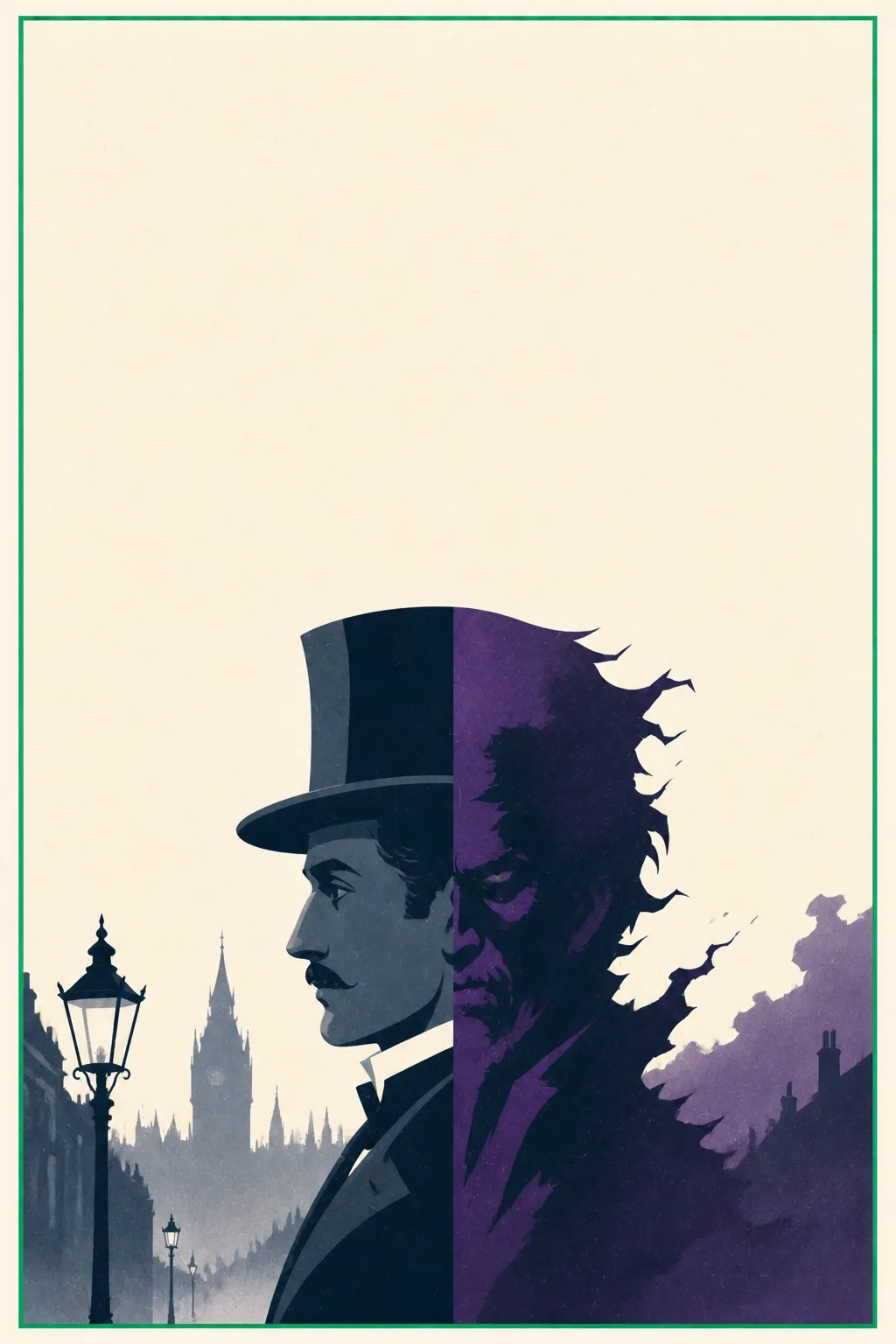
The Strange Case of Dr Jekyll and Mr Hyde
Robert Louis Stevenson
A respected doctor and a monstrous stranger share one terrifying secret in Stevenson's classic tale of the divided self.
Free

The Wonderful Wizard of Oz
L. Frank Baum
Dorothy follows the yellow brick road with three unforgettable friends in this clear, adventurous beginner classic.
$3.99 USD
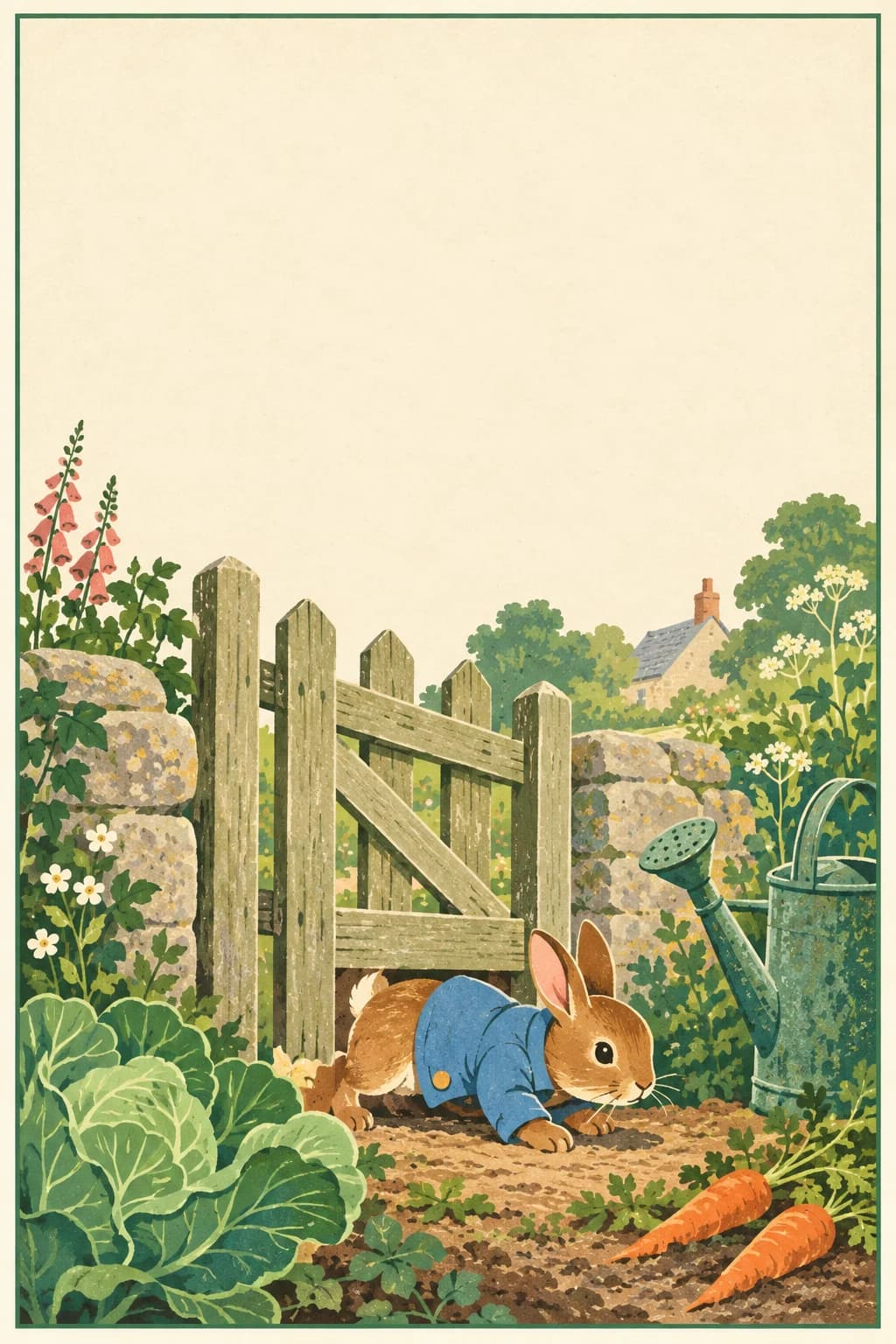
The Tale of Peter Rabbit and Other Stories
Beatrix Potter
Six gentle animal tales begin with mischievous Peter Rabbit's forbidden visit to Mr McGregor's garden.
Free
If subtitles made you better at listening,
imagine what bilingual reading can do.
Grab your first bilingual book and start absorbing a new language — one page at a time.
Browse BooksFrequently Asked Questions
Everything you need to know about our bilingual editions.
What is a bilingual (dual-language) book?
A bilingual book contains the complete original text together with its translation. In our editions the two languages are aligned sentence by sentence, so you can read the original and glance at the translation instantly — like subtitles, but for reading.
What is the difference between the side-by-side and paragraph layouts?
Side-by-side shows the two languages in two columns on each page — great on tablets, desktops and in print. The paragraph layout alternates one paragraph of the original with its translation — ideal for e-readers and phones. Books can be bought as a bundle with both layouts included.
Which formats do I get, and which devices do they work on?
Every book is available as EPUB and PDF, DRM-free. EPUB works on Kindle, Kobo, Tolino, Apple Books and most reading apps; PDF works everywhere and is ideal for printing.
Which language pairs are available?
Six pairs: English–German, English–Spanish, English–French, plus the rare direct pairs German–Spanish, German–French and Spanish–French. If you are missing a language or a title, you can request it and we prioritize by demand.
What language level do I need?
Each book carries a level tag (Beginner, Intermediate or Advanced). Because the aligned translation is always right beside the original, most readers can start enjoying real literature from around A2–B1 — much earlier than with a monolingual book.
Are these complete books or simplified versions?
Complete, unabridged classics — the real literature, not simplified readers. The sentence-aligned translation is what makes the original accessible.
How does delivery work?
Instantly and digitally: right after purchase you get your download links for EPUB and PDF. The links stay valid for 30 days, and the files are yours to keep on your devices.
Are bilingual books good for learning a language?
Yes. Reading in the language you're learning is one of the most effective ways to build vocabulary and absorb grammar in context, and a bilingual book removes the friction: the translation is right there, so you never break your flow to look words up. Start with a free aligned sample to feel it for yourself.
What are books with two languages called?
Most often "bilingual books" or "dual language books", and when the two languages sit side by side they're also called "parallel text". A close cousin is the interlinear book, which slots the translation between the lines. Our editions are parallel-text: original and translation aligned sentence by sentence.
Are these bilingual books for adults?
Yes — this is a catalog of complete classic literature for adult learners, not children's picture books. Titles range from Sherlock Holmes and Pride and Prejudice to Frankenstein, with level tags so you can start where you're comfortable, from around A2–B1 upward.
Can I read these on a Kindle?
Yes. Every book comes as EPUB and PDF, both DRM-free. Kindle reads EPUB directly via Send to Kindle, and the format also works on Kobo, Tolino, Apple Books and most reading apps; PDF is ideal for tablets, desktops and printing.