
The Adventures of Huckleberry Finn
by Mark Twain
Often called the Great American Novel, Mark Twain's masterpiece follows Huck Finn as he fakes his own death and travels down the Mississippi River with Jim, a runaway slave. Written in Huck's distinctive vernacular voice, the novel is a powerful exploration of race, freedom, and morality in pre-Civil War America. The conversational, colloquial style offers a unique challenge and reward for language learners.
Read our reading guide for this book →"You don't know about me without you have read a book by the name of The Adventures of Tom Sawyer."
"Vous ne savez rien de moi si vous n'avez pas lu un livre qui s'appelle Les Aventures de Tom Sawyer."
The Adventures of Huckleberry Finn · English → German · Side-by-Side
Secure payment via Stripe. Instant download after purchase.
Want this book in a different language?
We add new languages based on reader demand.
Request Another LanguageRead a Free Bilingual Sample
The opening of “The Adventures of Huckleberry Finn” with the translation aligned paragraph by paragraph — exactly how the full edition reads.
Persons attempting to find a motive in this narrative will be prosecuted; persons attempting to find a moral in it will be banished; persons attempting to find a plot in it will be shot.
Personen, die in dieser Erzählung ein Motiv zu finden versuchen, werden strafrechtlich verfolgt; Personen, die darin eine Moral zu finden versuchen, werden verbannt; Personen, die darin eine Handlung zu finden versuchen, werden erschossen.
In this book a number of dialects are used, to wit: the Missouri negro dialect; the extremest form of the backwoods Southwestern dialect; the ordinary “Pike County” dialect; and four modified varieties of this last. The shadings have not been done in a haphazard fashion, or by guesswork; but painstakingly, and with the trustworthy guidance and support of personal familiarity with these several forms of speech.
In diesem Buch werden mehrere Dialekte verwendet, und zwar: der Neger-Dialekt von Missouri; die extremste Form des Hinterwäldler-Dialekts des Südwestens; der gewöhnliche „Pike County“-Dialekt; und vier abgewandelte Spielarten des letzteren. Die Abstufungen wurden nicht aufs Geratewohl oder nach bloßem Mutmaßen vorgenommen, sondern sorgfältig und unter der verlässlichen Anleitung und Unterstützung persönlicher Vertrautheit mit diesen verschiedenen Sprechweisen.
I make this explanation for the reason that without it many readers would suppose that all these characters were trying to talk alike and not succeeding.
Ich gebe diese Erklärung aus dem Grund, dass ohne sie viele Leser annehmen würden, all diese Figuren versuchten, gleich zu sprechen, und es gelänge ihnen nicht.
Scene: The Mississippi Valley Time: Forty to fifty years ago
Schauplatz: Das Mississippi-Tal Zeit: Vor vierzig bis fünfzig Jahren
You don’t know about me without you have read a book by the name of The Adventures of Tom Sawyer; but that ain’t no matter. That book was made by Mr. Mark Twain, and he told the truth, mainly. There was things which he stretched, but mainly he told the truth. That is nothing. I never seen anybody but lied one time or another, without it was Aunt Polly, or the widow, or maybe Mary. Aunt Polly—Tom’s Aunt Polly, she is—and Mary, and the Widow Douglas is all told about in that book, which is mostly a true book, with some stretchers, as I said before.
Ihr wisst nichts von mir, außer ihr habt ein Buch gelesen mit dem Namen Die Abenteuer des Tom Sawyer; aber das macht nichts. Das Buch hat Mr. Mark Twain gemacht, und er hat meistens die Wahrheit gesagt. Es gab Sachen, die er aufgebauscht hat, aber meistens hat er die Wahrheit gesagt. Das ist auch nicht schlimm. Ich hab noch nie jemanden gesehen, der nicht mal gelogen hätte, außer Tante Polly, oder die Witwe, oder vielleicht Mary. Von Tante Polly – das ist Toms Tante Polly –, und Mary, und der Witwe Douglas wird in dem Buch erzählt, und das ist größtenteils ein wahres Buch, mit ein paar Aufbauschereien, wie ich schon gesagt hab.
Now the way that the book winds up is this: Tom and me found the money that the robbers hid in the cave, and it made us rich. We got six thousand dollars apiece—all gold. It was an awful sight of money when it was piled up. Well, Judge Thatcher he took it and put it out at interest, and it fetched us a dollar a day apiece all the year round—more than a body could tell what to do with. The Widow Douglas she took me for her son, and allowed she would sivilize me; but it was rough living in the house all the time, considering how dismal regular and decent the widow was in all her ways; and so when I couldn’t stand it no longer I lit out. I got into my old rags and my sugar-hogshead again, and was free and satisfied. But Tom Sawyer he hunted me up and said he was going to start a band of robbers, and I might join if I would go back to the widow and be respectable. So I went back.
Also, wie das Buch ausgeht, ist so: Tom und ich haben das Geld gefunden, das die Räuber in der Höhle versteckt hatten, und das hat uns reich gemacht. Wir haben jeder sechstausend Dollar gekriegt – alles Gold. Das war ein gewaltiger Anblick von Geld, wenn's aufgehäuft dalag. Na, Richter Thatcher, der hat's genommen und auf Zinsen angelegt, und das hat uns jeder einen Dollar am Tag eingebracht, das ganze Jahr über – mehr, als einer wissen könnte, was man damit anfangen soll. Die Witwe Douglas, die hat mich als ihren Sohn genommen und wollte mich zivilisieren; aber es war hart, immerzu im Haus zu leben, wenn man bedenkt, wie trostlos regelmäßig und anständig die Witwe in all ihren Gewohnheiten war; und als ich's nicht mehr aushalten konnte, hab ich mich verdrückt. Ich bin wieder in meine alten Lumpen und mein Zuckerfass geschlüpft und war frei und zufrieden. Aber Tom Sawyer, der hat mich aufgestöbert und gesagt, er wolle eine Räuberbande gründen, und ich dürfte mitmachen, wenn ich zur Witwe zurückginge und anständig würde. Also bin ich zurückgegangen.
The widow she cried over me, and called me a poor lost lamb, and she called me a lot of other names, too, but she never meant no harm by it. She put me in them new clothes again, and I couldn’t do nothing but sweat and sweat, and feel all cramped up. Well, then, the old thing commenced again. The widow rung a bell for supper, and you had to come to time. When you got to the table you couldn’t go right to eating, but you had to wait for the widow to tuck down her head and grumble a little over the victuals, though there warn’t really anything the matter with them,—that is, nothing only everything was cooked by itself. In a barrel of odds and ends it is different; things get mixed up, and the juice kind of swaps around, and the things go better.
Die Witwe hat über mich geweint und mich ein armes verlorenes Lämmchen genannt, und noch eine ganze Menge anderer Namen dazu, aber sie hat's nie böse gemeint. Sie hat mich wieder in diese neuen Kleider gesteckt, und ich konnte nichts machen als schwitzen und schwitzen und mich ganz eingeengt fühlen. Na, dann hat das alte Spiel wieder angefangen. Die Witwe hat zum Abendessen geläutet, und man musste pünktlich kommen. Wenn man am Tisch saß, konnte man nicht gleich mit dem Essen loslegen, sondern man musste warten, bis die Witwe den Kopf senkte und ein bisschen über das Essen brummelte, obwohl eigentlich gar nichts damit nicht stimmte – das heißt, nichts, außer dass alles für sich gekocht war. In einem Fass mit allerlei Resten ist das anders; da vermischt sich alles, und der Saft tauscht sich sozusagen aus, und die Sachen schmecken besser.
After supper she got out her book and learned me about Moses and the Bulrushers, and I was in a sweat to find out all about him; but by-and-by she let it out that Moses had been dead a considerable long time; so then I didn’t care no more about him, because I don’t take no stock in dead people.
Nach dem Abendessen hat sie ihr Buch rausgeholt und mir was von Moses und dem Schilf beigebracht, und ich war ganz aufgeregt, alles über ihn rauszukriegen; aber nach und nach hat sie's rausgelassen, dass Moses schon eine ganze Weile tot war; da hab ich mir nichts mehr aus ihm gemacht, weil ich nichts von toten Leuten halte.
Pretty soon I wanted to smoke, and asked the widow to let me. But she wouldn’t. She said it was a mean practice and wasn’t clean, and I must try to not do it any more. That is just the way with some people. They get down on a thing when they don’t know nothing about it. Here she was a-bothering about Moses, which was no kin to her, and no use to anybody, being gone, you see, yet finding a power of fault with me for doing a thing that had some good in it. And she took snuff, too; of course that was all right, because she done it herself.
Bald wollte ich rauchen und hab die Witwe gefragt, ob ich das dürfte. Aber sie wollte nicht. Sie sagte, das sei eine schlechte Angewohnheit und nicht sauber, und ich müsste versuchen, es nicht mehr zu tun. So sind manche Leute nun mal. Sie machen sich über eine Sache her, von der sie nichts verstehen. Da hat sie sich mit Moses abgegeben, der gar nicht mit ihr verwandt war und niemandem mehr nützte, weil er ja tot war, seht ihr, und trotzdem hat sie einen Haufen an mir auszusetzen gehabt, weil ich etwas getan hab, das durchaus sein Gutes hatte. Und sie hat auch Schnupftabak genommen; das war natürlich in Ordnung, weil sie's selber getan hat.
Her sister, Miss Watson, a tolerable slim old maid, with goggles on, had just come to live with her, and took a set at me now with a spelling-book. She worked me middling hard for about an hour, and then the widow made her ease up. I couldn’t stood it much longer. Then for an hour it was deadly dull, and I was fidgety. Miss Watson would say, “Don’t put your feet up there, Huckleberry;” and “Don’t scrunch up like that, Huckleberry—set up straight;” and pretty soon she would say, “Don’t gap and stretch like that, Huckleberry—why don’t you try to behave?” Then she told me all about the bad place, and I said I wished I was there. She got mad then, but I didn’t mean no harm. All I wanted was to go somewheres; all I wanted was a change, I warn’t particular. She said it was wicked to say what I said; said she wouldn’t say it for the whole world; she was going to live so as to go to the good place. Well, I couldn’t see no advantage in going where she was going, so I made up my mind I wouldn’t try for it. But I never said so, because it would only make trouble, and wouldn’t do no good.
Ihre Schwester, Miss Watson, eine ziemlich hagere alte Jungfer mit einer Brille auf der Nase, war gerade zu ihr gezogen und machte sich jetzt mit einem Fibelbuch über mich her. Sie hat mich so ungefähr eine Stunde lang ziemlich hart rangenommen, dann hat die Witwe sie gebremst. Ich hätt's nicht mehr viel länger ausgehalten. Dann war eine Stunde lang tödliche Langeweile, und ich war ganz zappelig. Miss Watson sagte dann: „Nimm die Füße da runter, Huckleberry“; und „Nicht so zusammensacken, Huckleberry – setz dich gerade hin“; und bald darauf sagte sie: „Nicht so gähnen und strecken, Huckleberry – warum versuchst du nicht, dich zu benehmen?“ Dann hat sie mir alles über den schlimmen Ort erzählt, und ich hab gesagt, ich wünschte, ich wäre dort. Da wurde sie böse, aber ich hab's nicht böse gemeint. Ich wollte bloß irgendwohin; ich wollte bloß eine Abwechslung, mir war's nicht wichtig, wohin. Sie sagte, es sei sündig, so was zu sagen; sie würde es um nichts in der Welt sagen; sie wolle so leben, dass sie an den guten Ort käme. Na, ich konnte keinen Vorteil darin sehen, dorthin zu gehen, wo sie hinwollte, also hab ich mir vorgenommen, es gar nicht erst zu versuchen. Aber das hab ich nie gesagt, weil es bloß Ärger gegeben hätte und nichts genützt hätte.
Now she had got a start, and she went on and told me all about the good place. She said all a body would have to do there was to go around all day long with a harp and sing, forever and ever. So I didn’t think much of it. But I never said so. I asked her if she reckoned Tom Sawyer would go there, and she said not by a considerable sight. I was glad about that, because I wanted him and me to be together.
Na, jetzt war sie in Fahrt gekommen und hat mir weiter alles über den guten Ort erzählt. Sie sagte, alles was man dort machen müsse, sei den ganzen Tag lang mit einer Harfe rumzulaufen und zu singen, immer und ewig. Davon hielt ich nicht viel. Aber das hab ich nie gesagt. Ich hab sie gefragt, ob sie glaubte, dass Tom Sawyer dorthin käme, und sie sagte, bei weitem nicht. Darüber war ich froh, weil ich wollte, dass er und ich zusammenbleiben.
The full edition contains the complete, unabridged text in both layouts (side-by-side and paragraph) as EPUB and PDF.
What this edition includes
Complete unabridged text, sentence-aligned translation, EPUB and PDF files, plus side-by-side and paragraph layouts. Digital delivery; no physical item is shipped.
Simple size-based pricing: $1.99, $3.99, $5.99 or $9.99 in USD. Both layouts cost the same; availability depends on the selected language pair and format.
Is this book right for you?
Intermediate · approximately 362 pages. Read the free aligned sample below: if you understand most of the original before checking the translation, the level is a good fit.
Intermediate · B1–B2 →Available language combinations
Continue reading
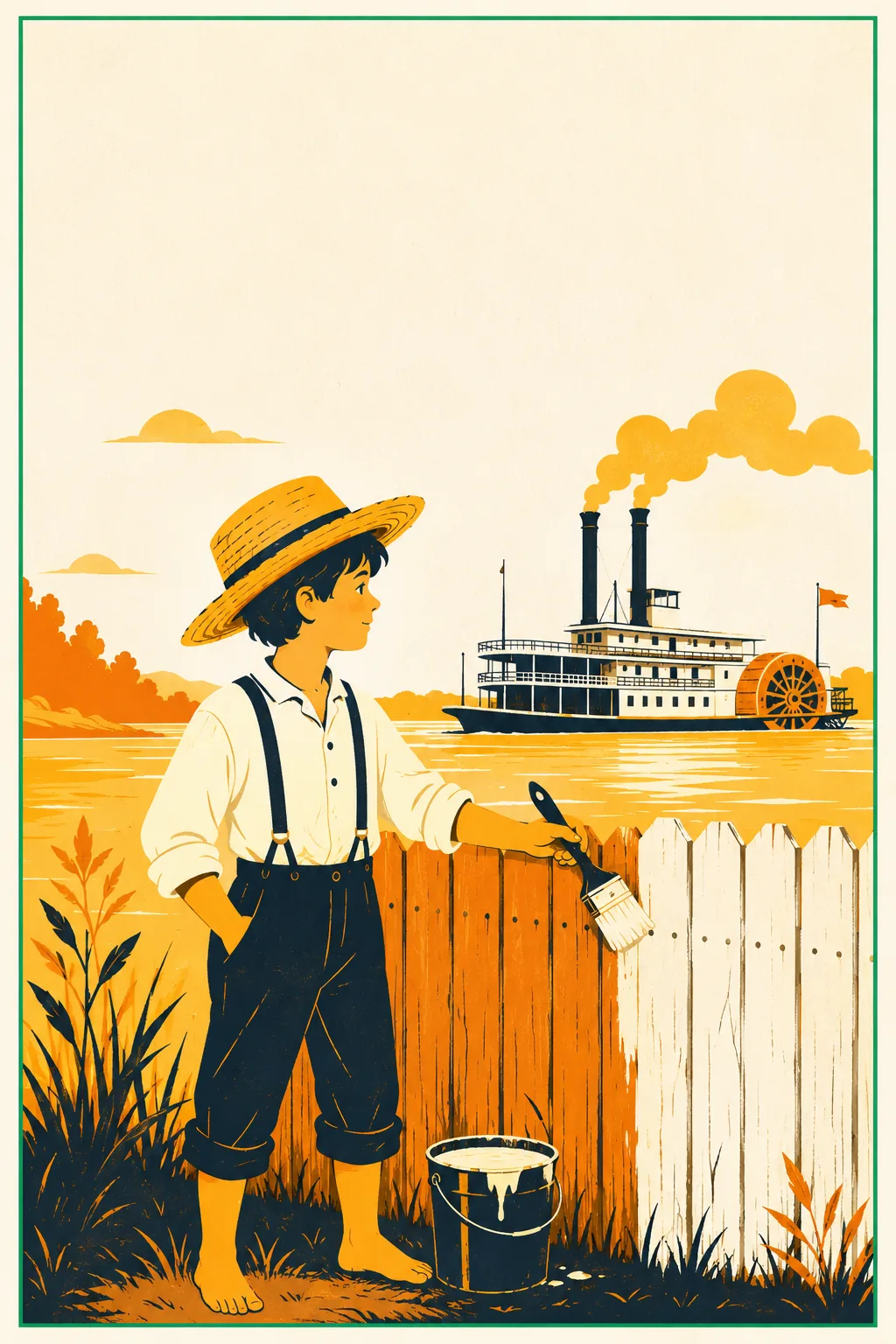
The Adventures of Tom Sawyer
Mark Twain
Follow the mischievous Tom Sawyer through his childhood adventures along the Mississippi River in this American classic.
$3.99 USD

The Call of the Wild
Jack London
The gripping story of Buck, a domesticated dog thrust into the brutal life of an Alaskan sled dog during the Klondike Gold Rush.
$1.99 USD
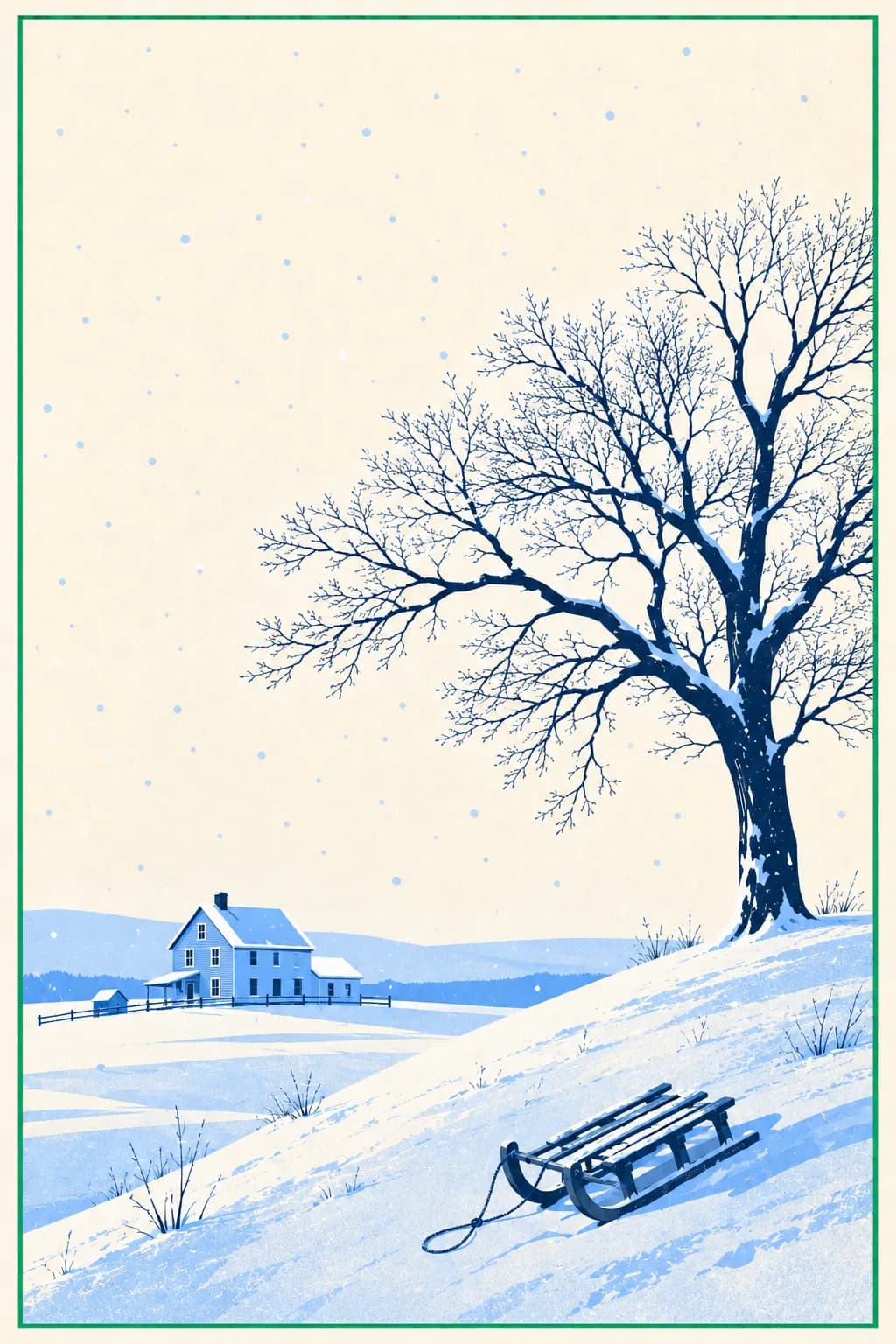
Ethan Frome
Edith Wharton
A tragic tale of forbidden love set against the bleak winter landscape of rural New England.
$3.99 USD