Bilingual Books for Advanced Learners
At B2–C1 you are no longer decoding — you are reading for style, irony and nuance. The aligned translation becomes a precision tool: compare how a difficult sentence was rendered and you learn more than any vocabulary list can teach.
These books feature layered prose, longer sentences and period vocabulary — the kind of literature that turns very good comprehension into genuine mastery.
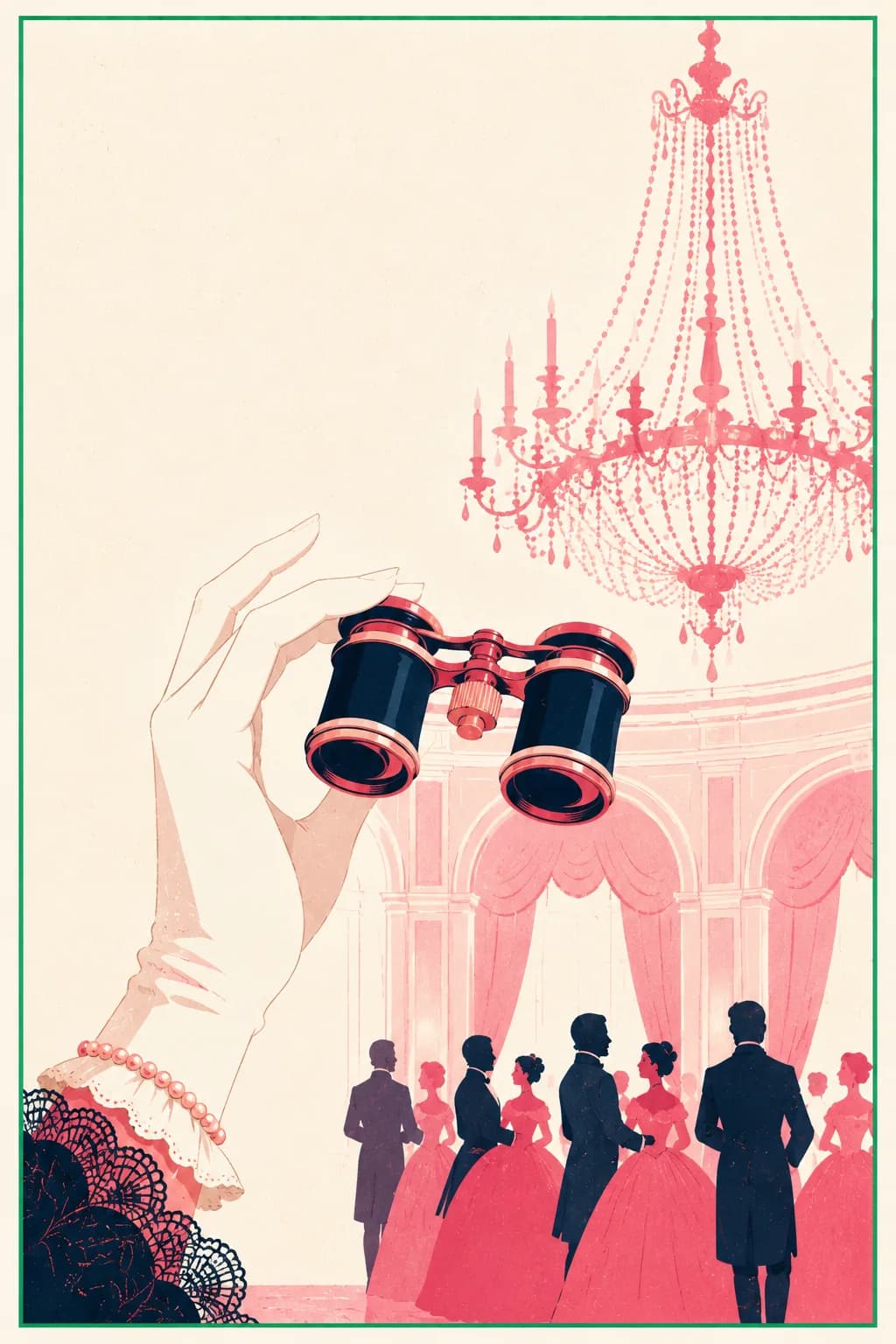
The Age of Innocence
Edith Wharton
A Pulitzer Prize-winning portrait of desire and betrayal in 1870s New York high society.
$5.99 USD
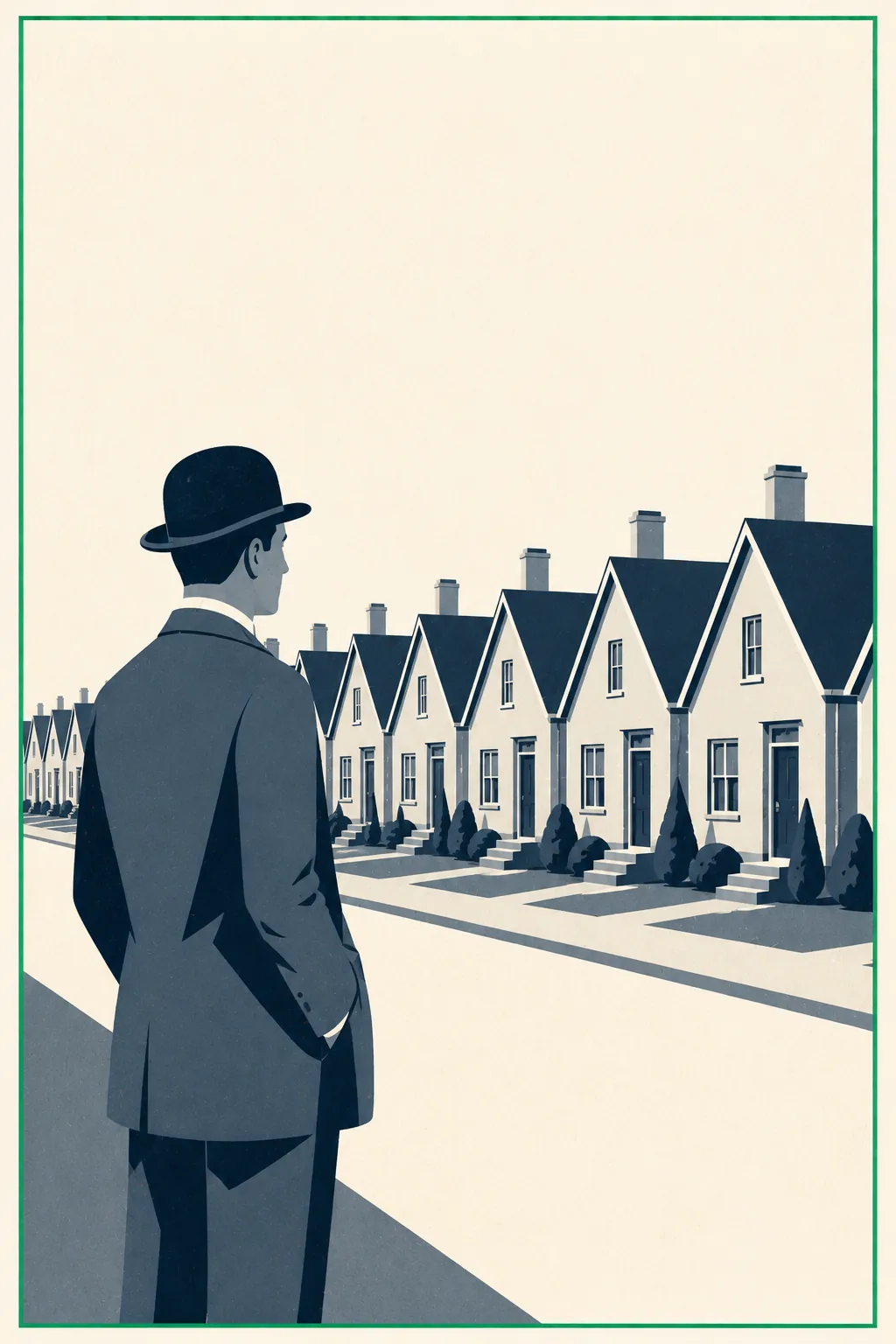
Babbitt
Sinclair Lewis
A satirical novel about a middle-class American businessman and his struggle with conformity in the 1920s.
$3.99 USD
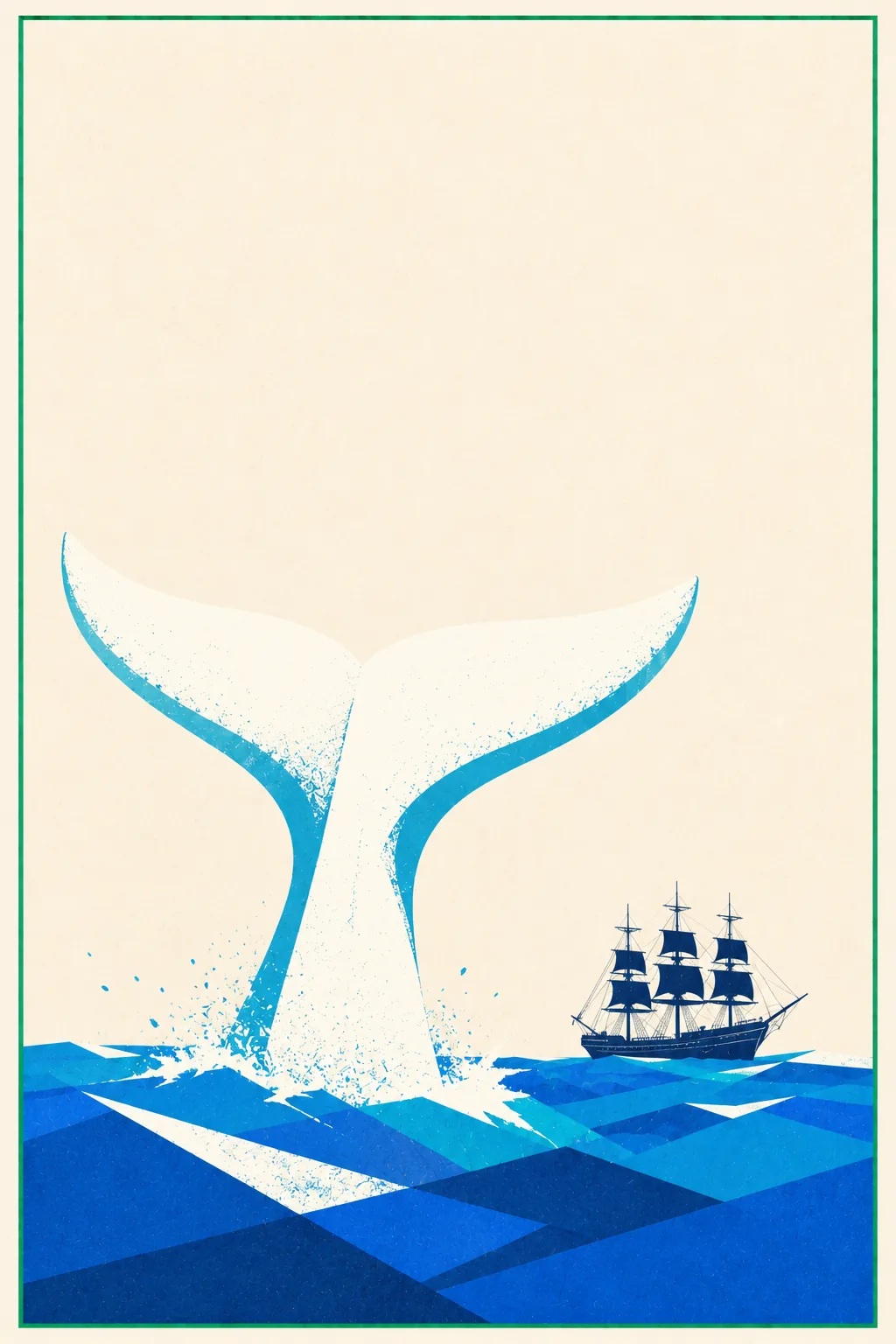
Moby Dick
Herman Melville
The epic tale of Captain Ahab's obsessive quest to hunt the great white whale across the world's oceans.
$9.99 USD
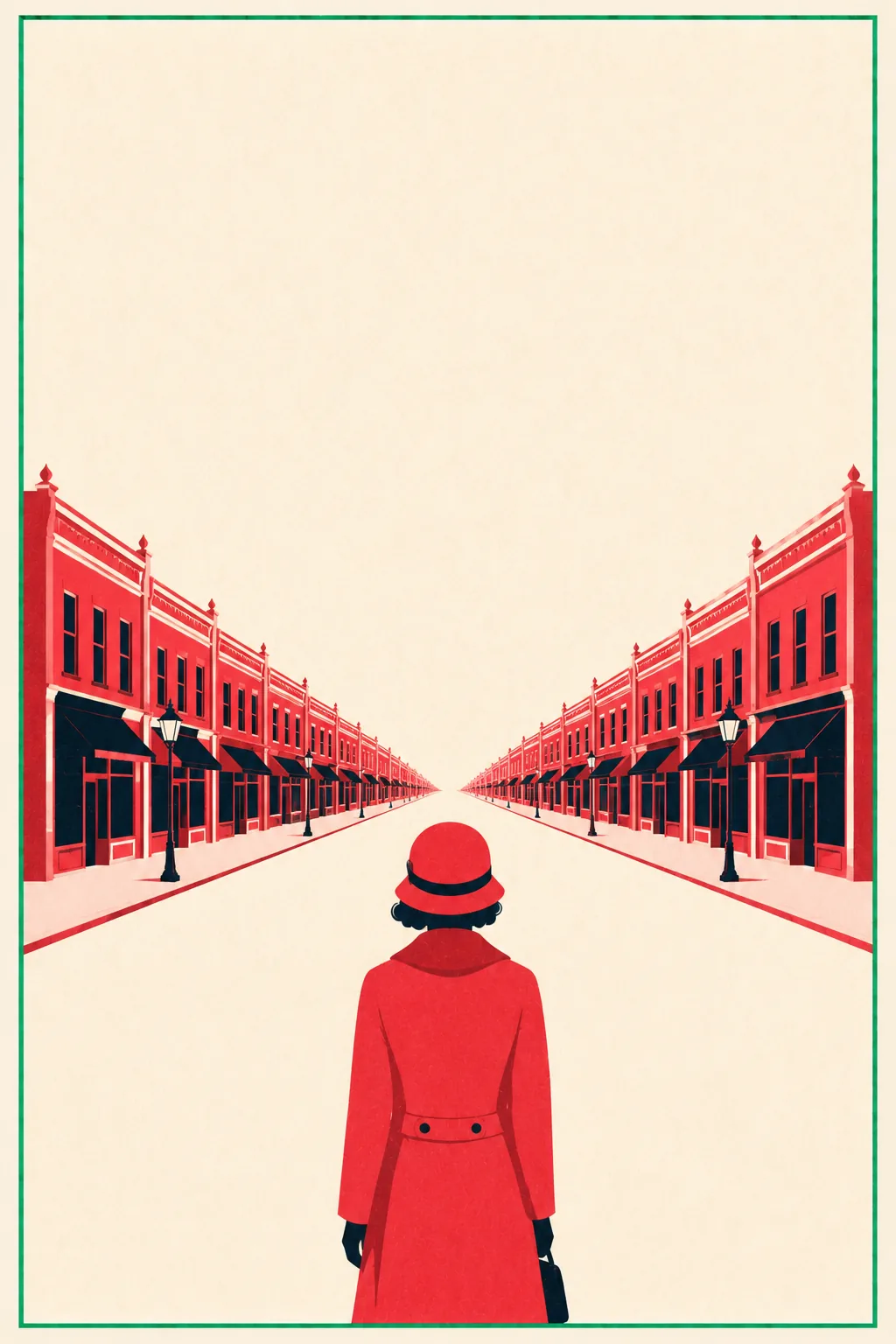
Main Street
Sinclair Lewis
A young woman's struggle against the conformity and cultural poverty of small-town American life.
$5.99 USD
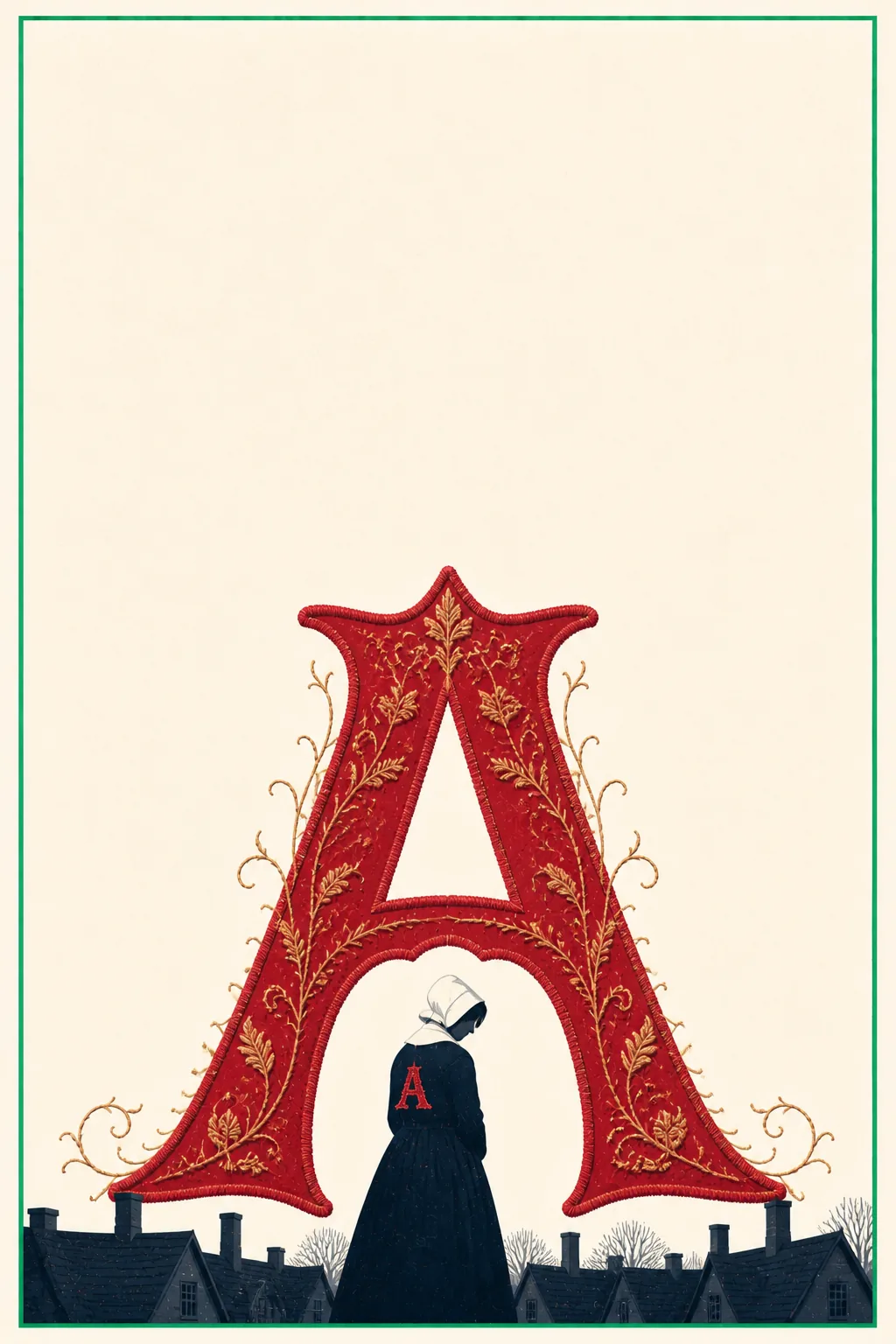
The Scarlet Letter
Nathaniel Hawthorne
A powerful tale of sin, guilt, and redemption in Puritan Massachusetts.
$5.99 USD
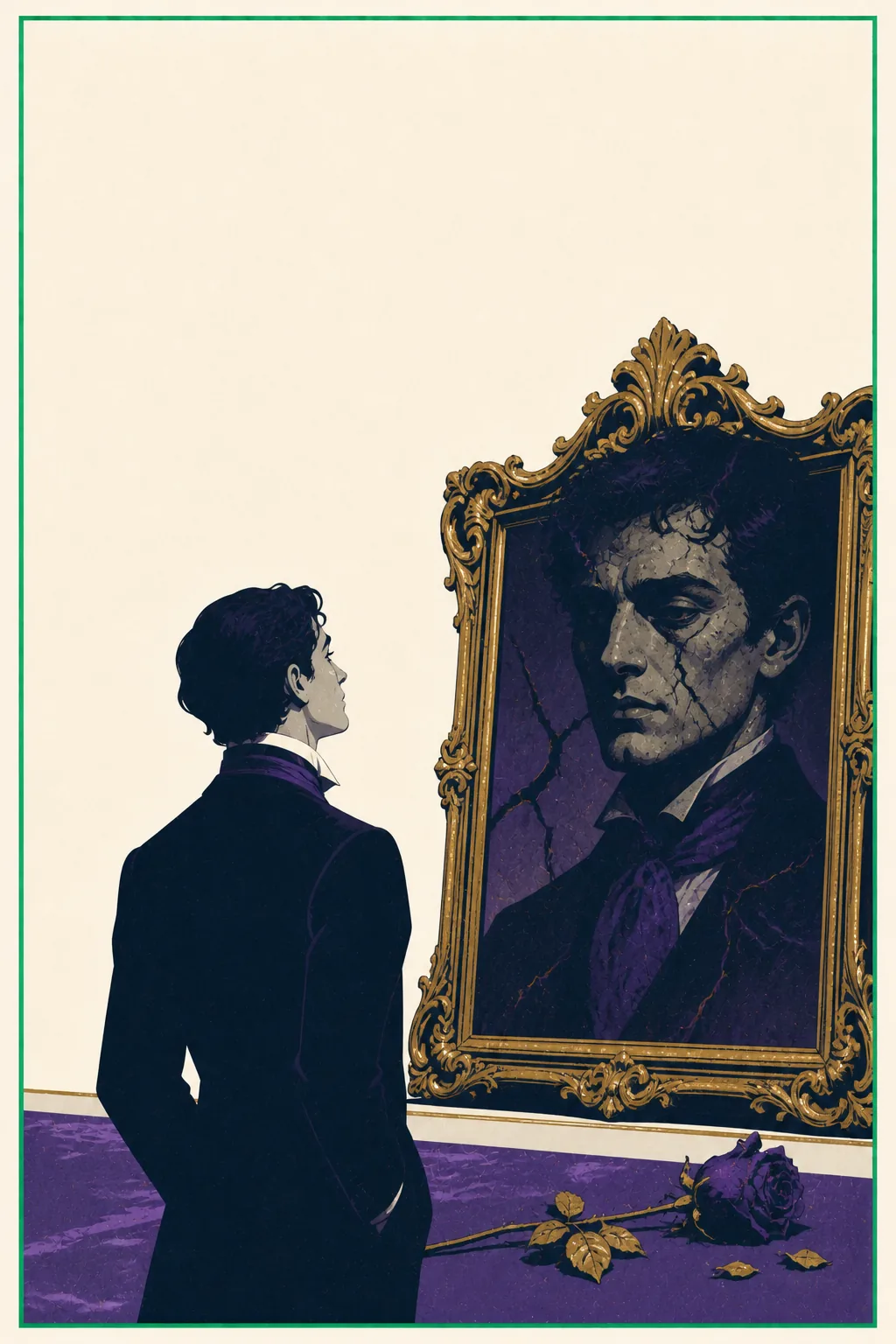
The Picture of Dorian Gray
Oscar Wilde
A beautiful young man stays forever youthful while his portrait bears the corruption of his sins.
$3.99 USD
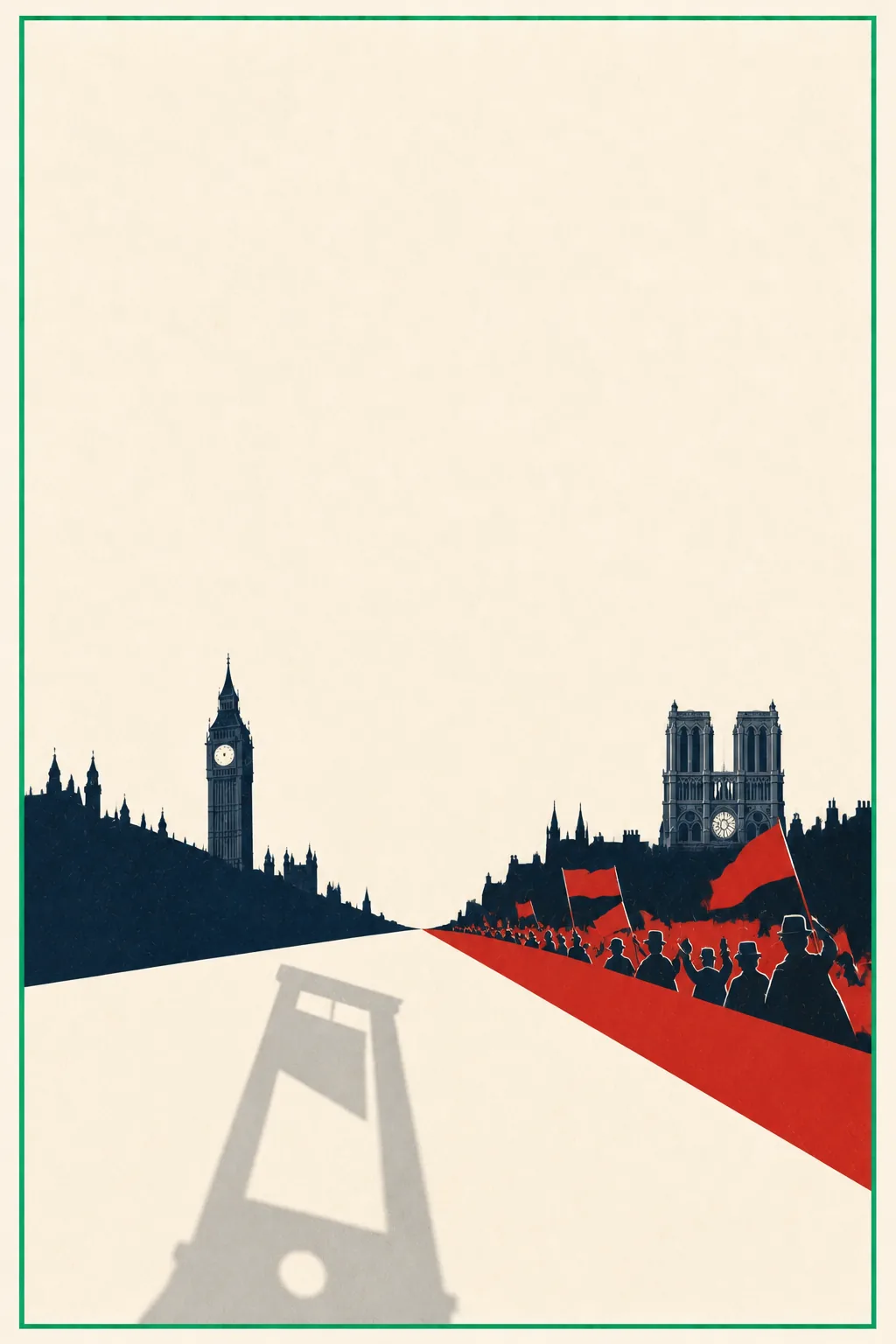
A Tale of Two Cities
Charles Dickens
Dickens's sweeping tale of love, sacrifice and revolution, moving between London and Paris in the shadow of the guillotine.
$5.99 USD
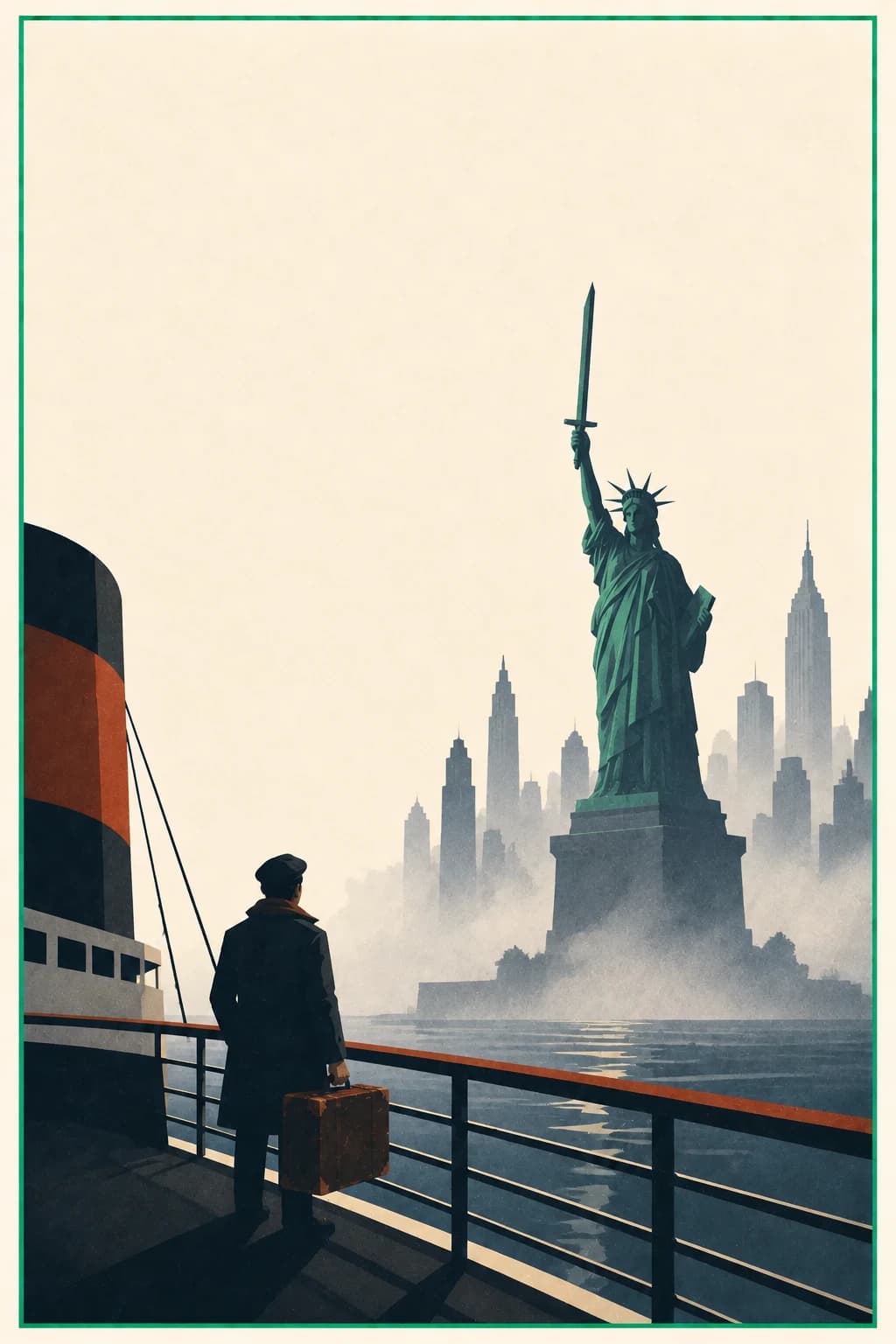
Amerika
Franz Kafka
Sixteen-year-old Karl Roßmann is shipped off to America after a scandal back home, and stumbles into a bewildering New York of chance encounters and dreamlike bureaucracy.
$3.99 USD
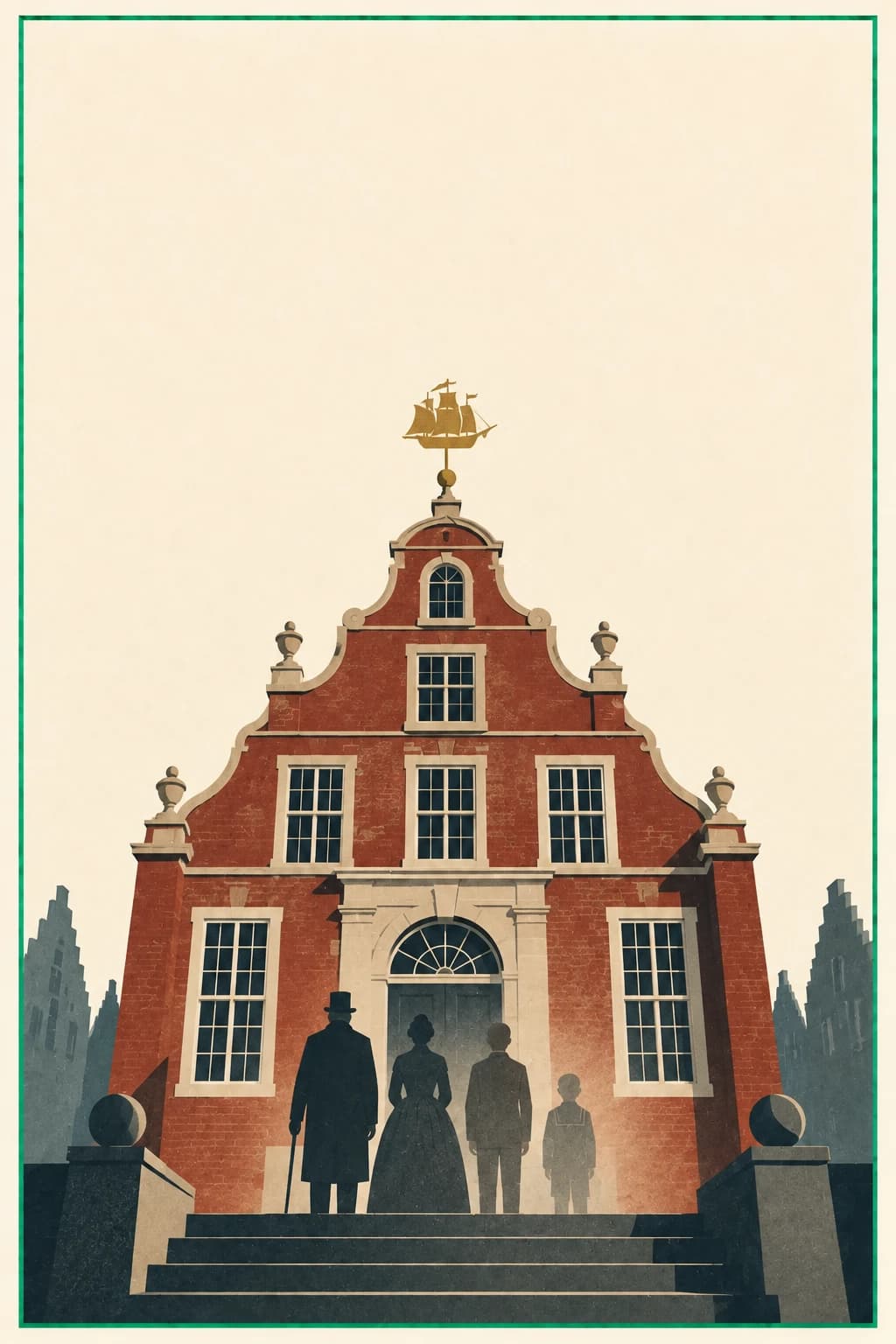
Buddenbrooks
Thomas Mann
Four generations of a proud Lübeck merchant dynasty rise, prosper, and slowly come apart.
$9.99 USD
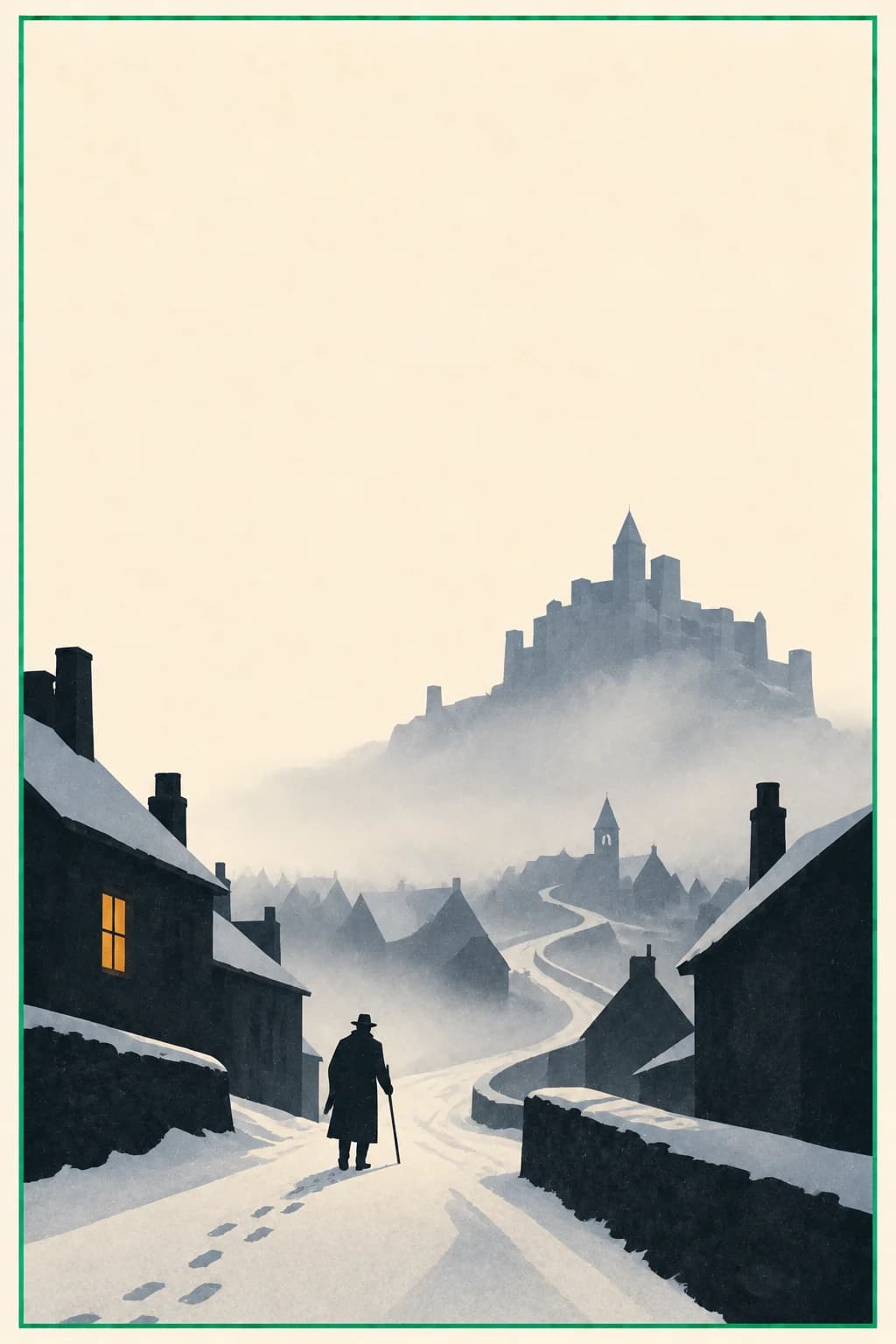
Das Schloß
Franz Kafka
A land surveyor's search for legitimacy in a snowbound village spirals into a parable of bureaucratic futility.
$3.99 USD
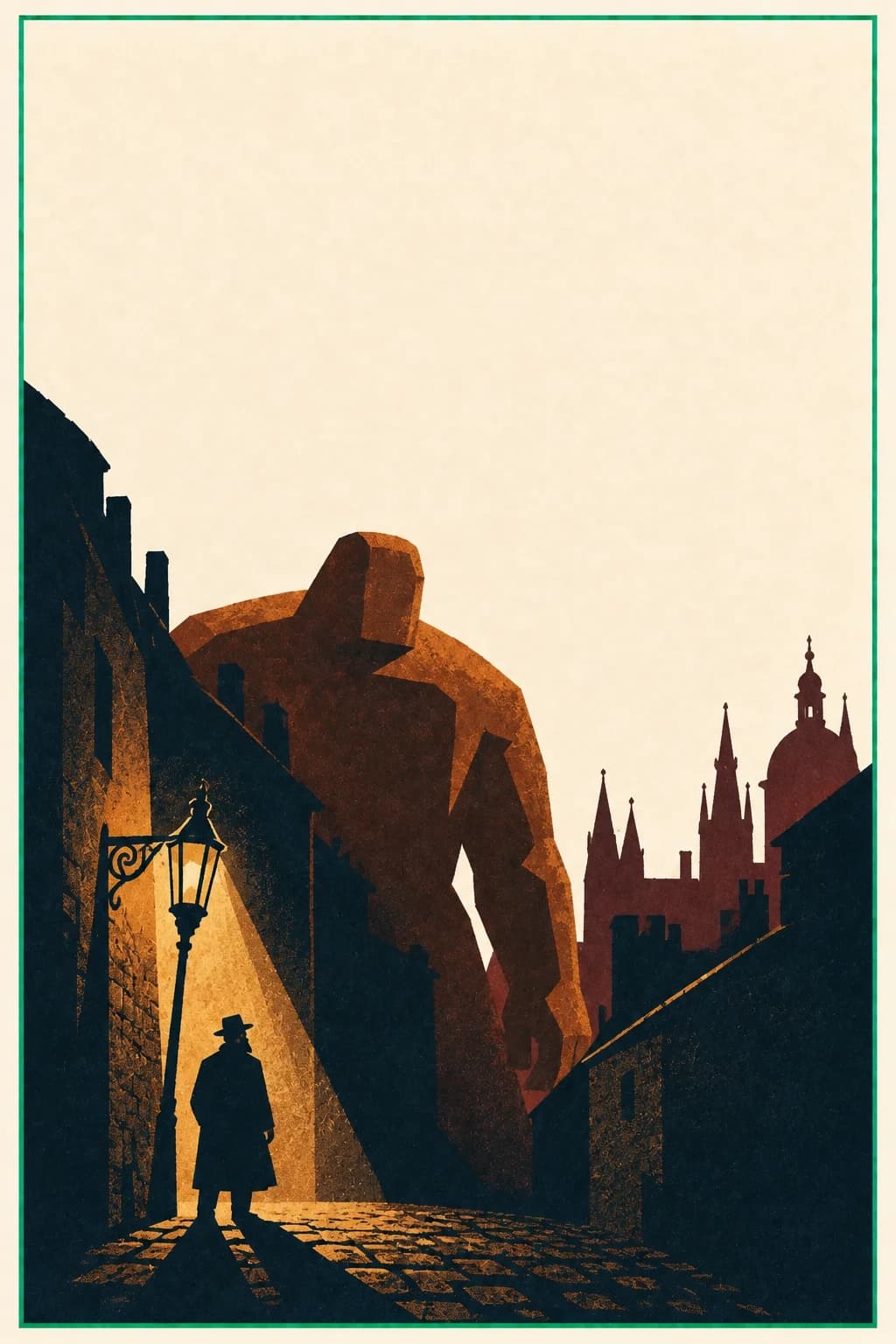
Der Golem
Gustav Meyrink
A gem-cutter in Prague's Jewish ghetto is drawn into a hallucinatory web of dreams, doubles, and ancient mysticism.
$3.99 USD
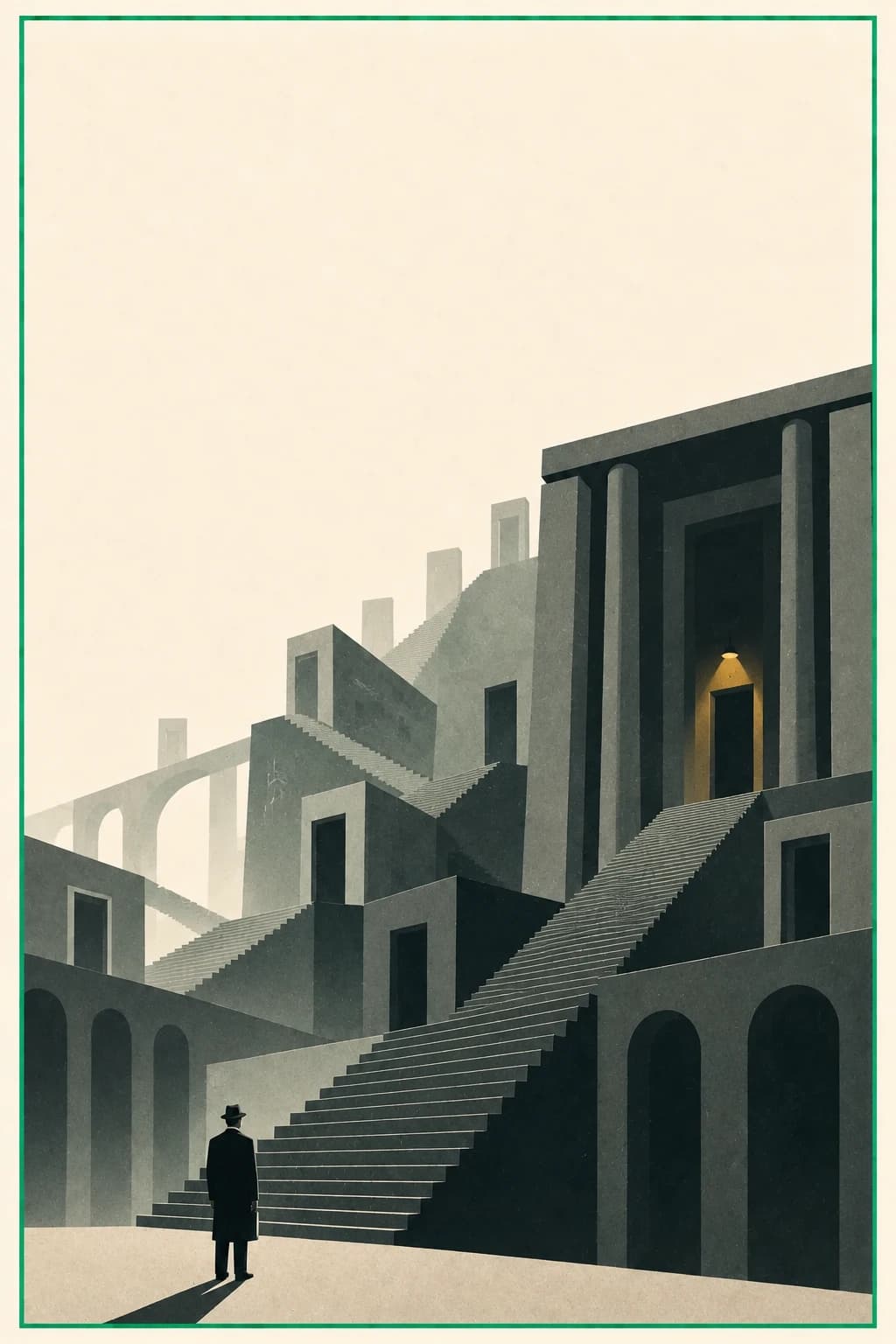
Der Prozess
Franz Kafka
Josef K. is arrested one morning for a crime no one will name, and drawn into a labyrinthine, inaccessible court.
$3.99 USD
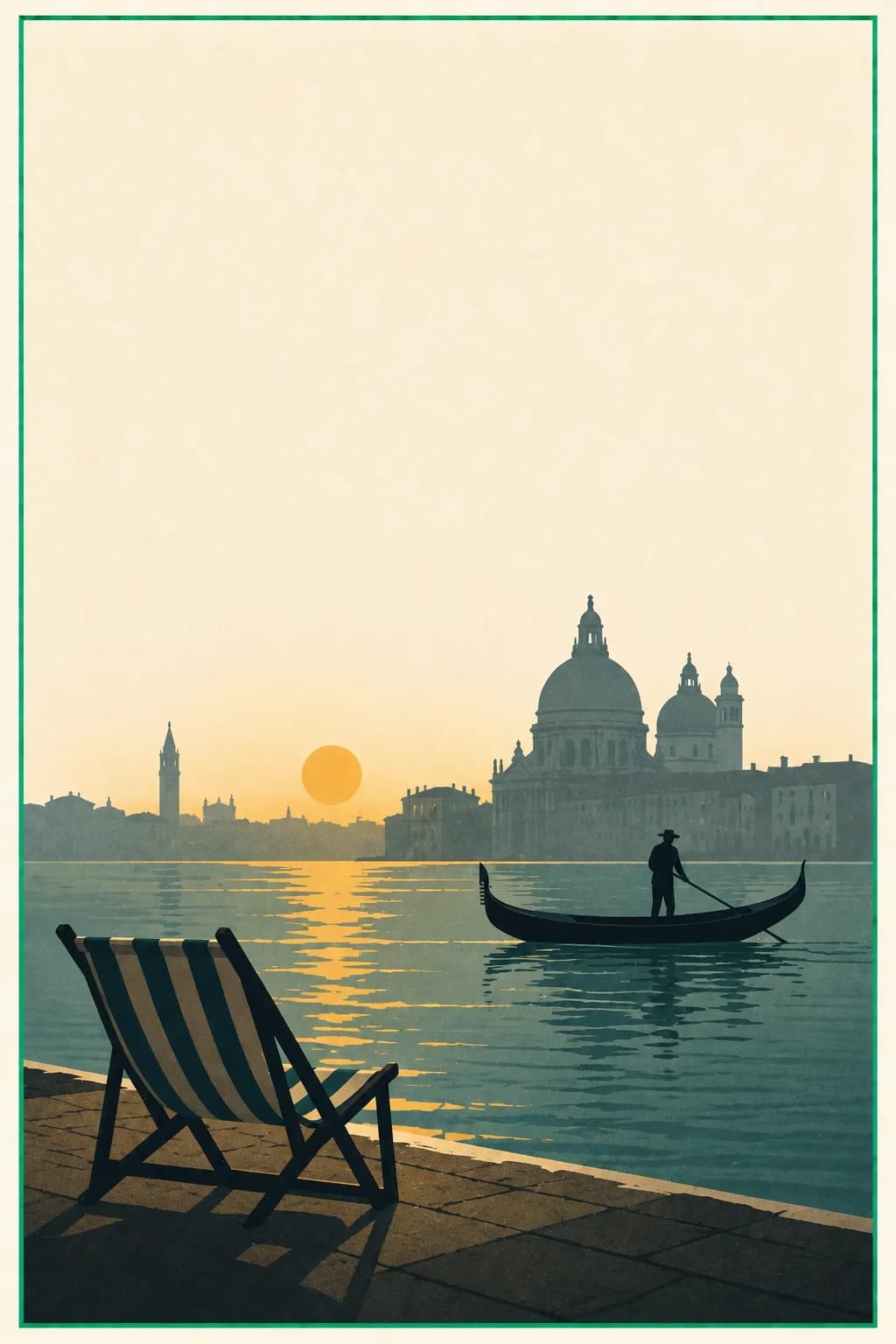
Der Tod in Venedig
Thomas Mann
A celebrated writer's trip to Venice dissolves into obsession as a cholera epidemic silently spreads through the city.
$1.99 USD

Der Zauberberg
Thomas Mann
A young engineer visits a Swiss sanatorium for three weeks — and stays for seven years.
$9.99 USD
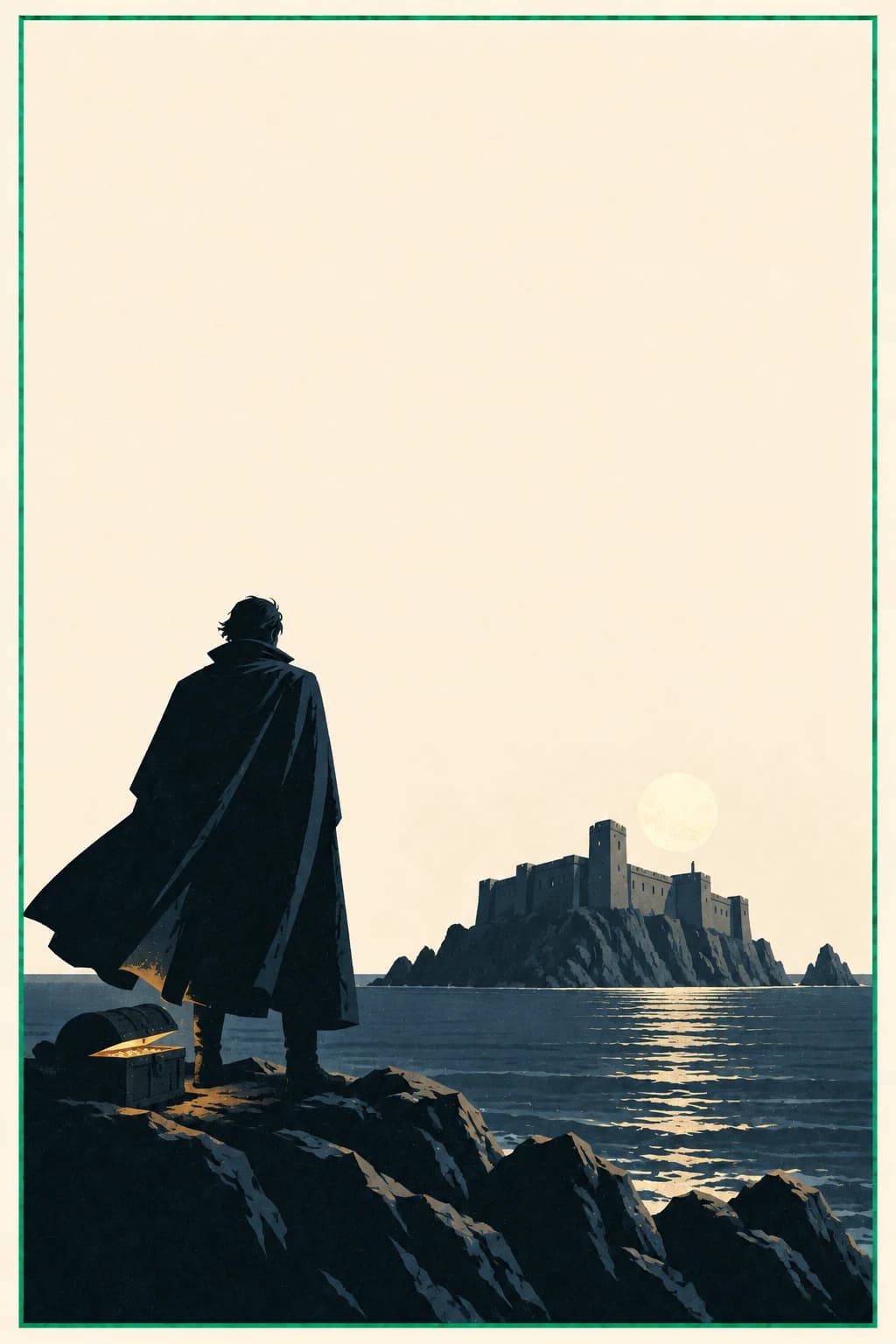
The Count of Monte Cristo
Alexandre Dumas
Falsely imprisoned for fourteen years, Edmond Dantès reinvents himself as a mysterious count and methodically destroys the men who betrayed him.
$9.99 USD
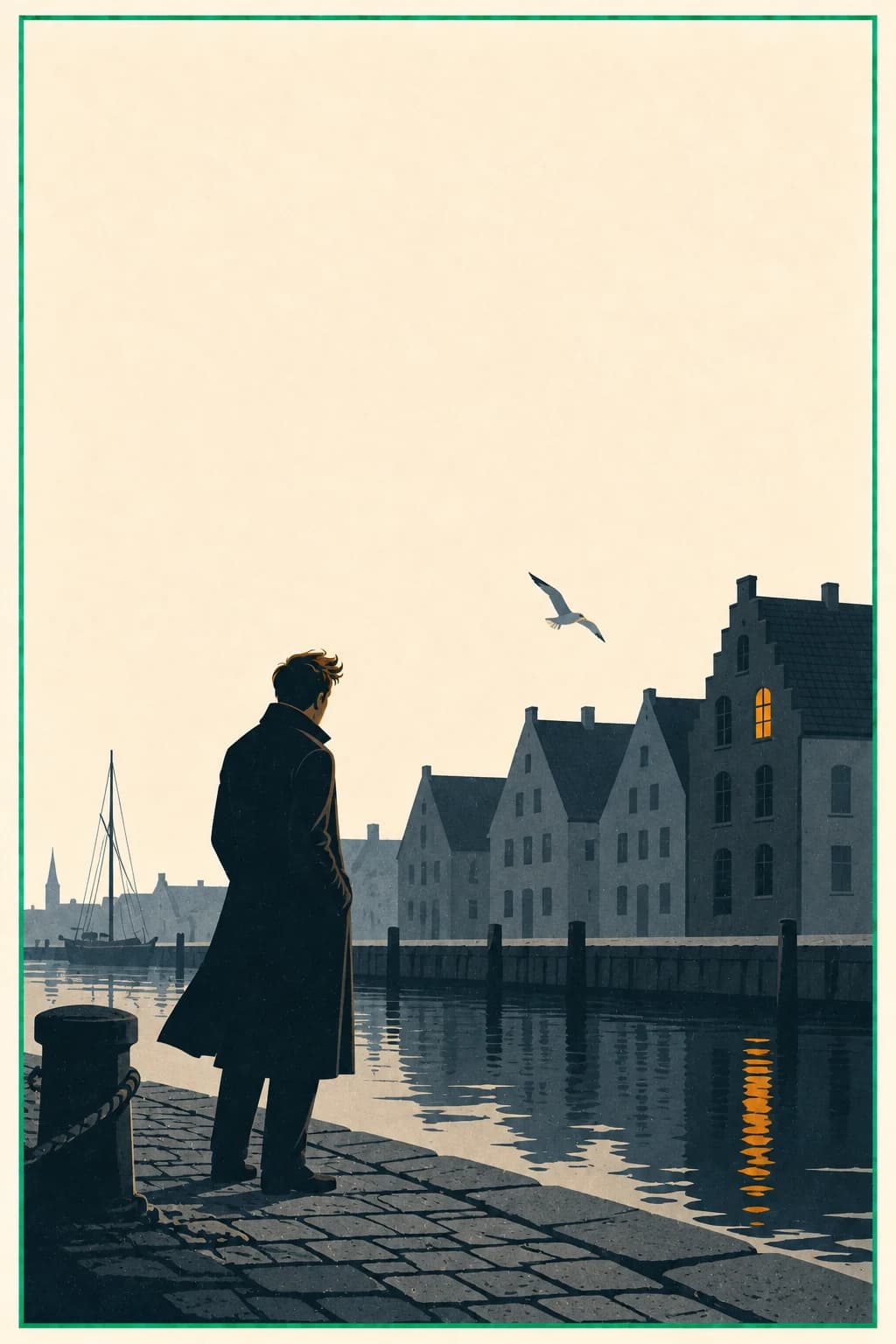
Tonio Kröger
Thomas Mann
A sensitive, artistic boy spends his life longing for the ordinary blond-and-blue-eyed world he can never fully belong to.
$1.99 USD
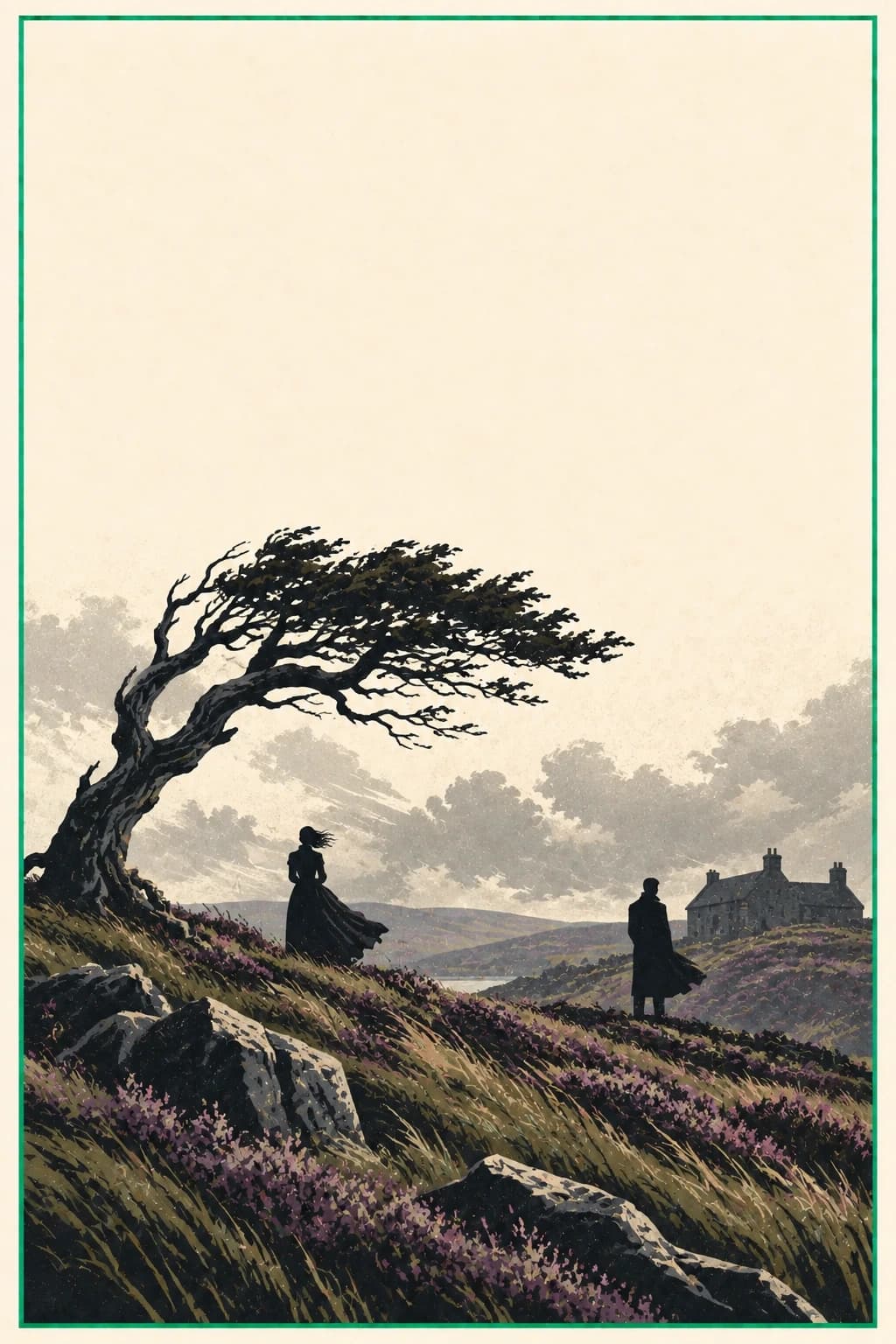
Wuthering Heights
Emily Brontë
Catherine Earnshaw and the fierce, tormented Heathcliff are consumed by a love that outlasts death itself, on the wild Yorkshire moors.
$5.99 USD
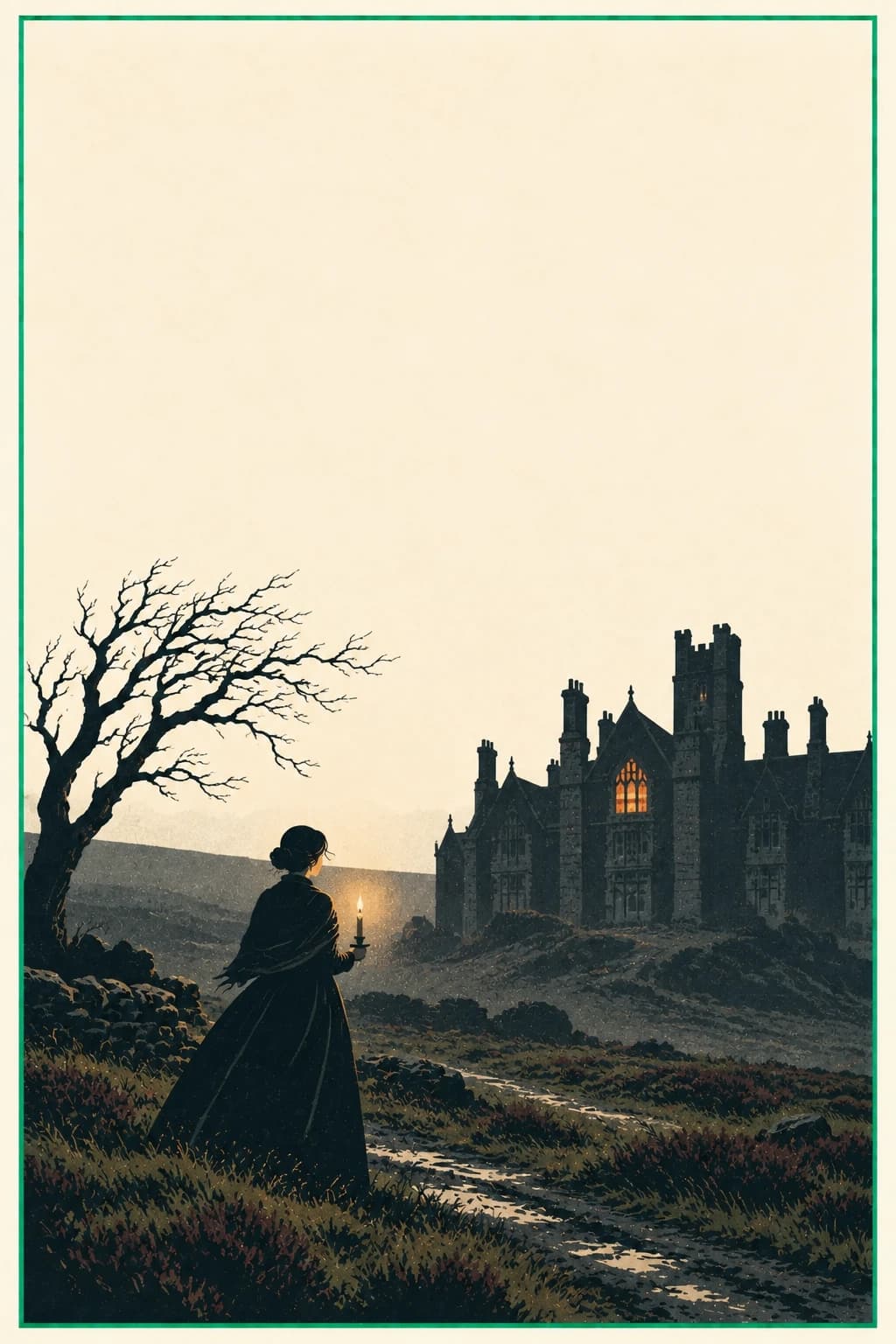
Jane Eyre
Charlotte Brontë
An orphaned governess finds her voice, her independence, and an impossible love at the brooding Thornfield Hall.
$5.99 USD
What “Advanced” means here
“Advanced” flags the originals we judge hardest, roughly B2–C1: dense, layered prose, long and subordinated sentences, literary and period vocabulary, irony and register you have to read between the lines to catch. The story rarely depends on the translation — you use it to confirm nuance, not to survive the page.
As with every level here, this is an editorial estimate of the original's difficulty rather than a certified CEFR score. Some passages in an “advanced” book are gentle; some in an “intermediate” one spike — the tag names the overall reading challenge, not a guaranteed grade.
Where to go from here
Advanced is the top of this ladder: from here it's less about moving up a level than widening your range — more authors, longer works, new language pairs. If a particular classic still fights you, the Intermediate (B1–B2) hub is the natural place to consolidate before returning.
Is Advanced the right level for you?
- Sample a page in the free aligned preview. If you read it comfortably in the original and turn to the translation mainly for a precise nuance, B2–C1 fits.
- If long sentences or period vocabulary keep breaking your flow, the Intermediate (B1–B2) hub will build the stamina first.
- You can enjoy the style — rhythm, irony, word choice — not just decode the meaning.
- You rarely need the translation to know what happened, only to appreciate how it was said.