Easy Bilingual Books for Beginners
You don't need to be fluent to read real books. With the translation aligned beside every sentence, a learner around A2–B1 can follow a real story from day one — the aligned text is your safety net, so unknown words never stop you.
Start with the shorter, easier titles here: clear, direct prose, compact chapters, quick wins. The level tag reflects the original's vocabulary and sentence complexity, not the translation.
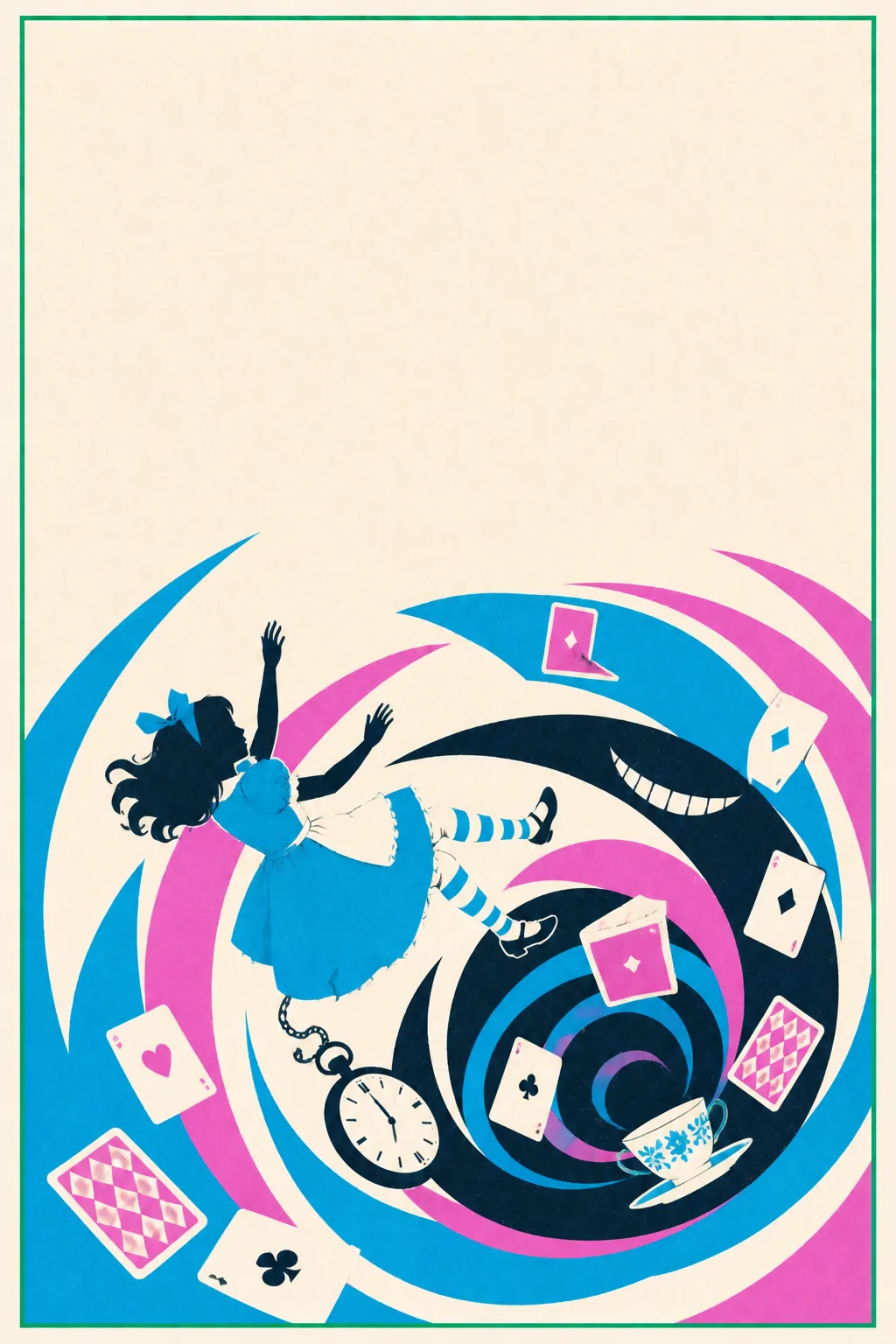
Alice's Adventures in Wonderland
Lewis Carroll
A curious girl tumbles down a rabbit hole into a nonsensical world of talking creatures and mad logic.
$1.99 USD
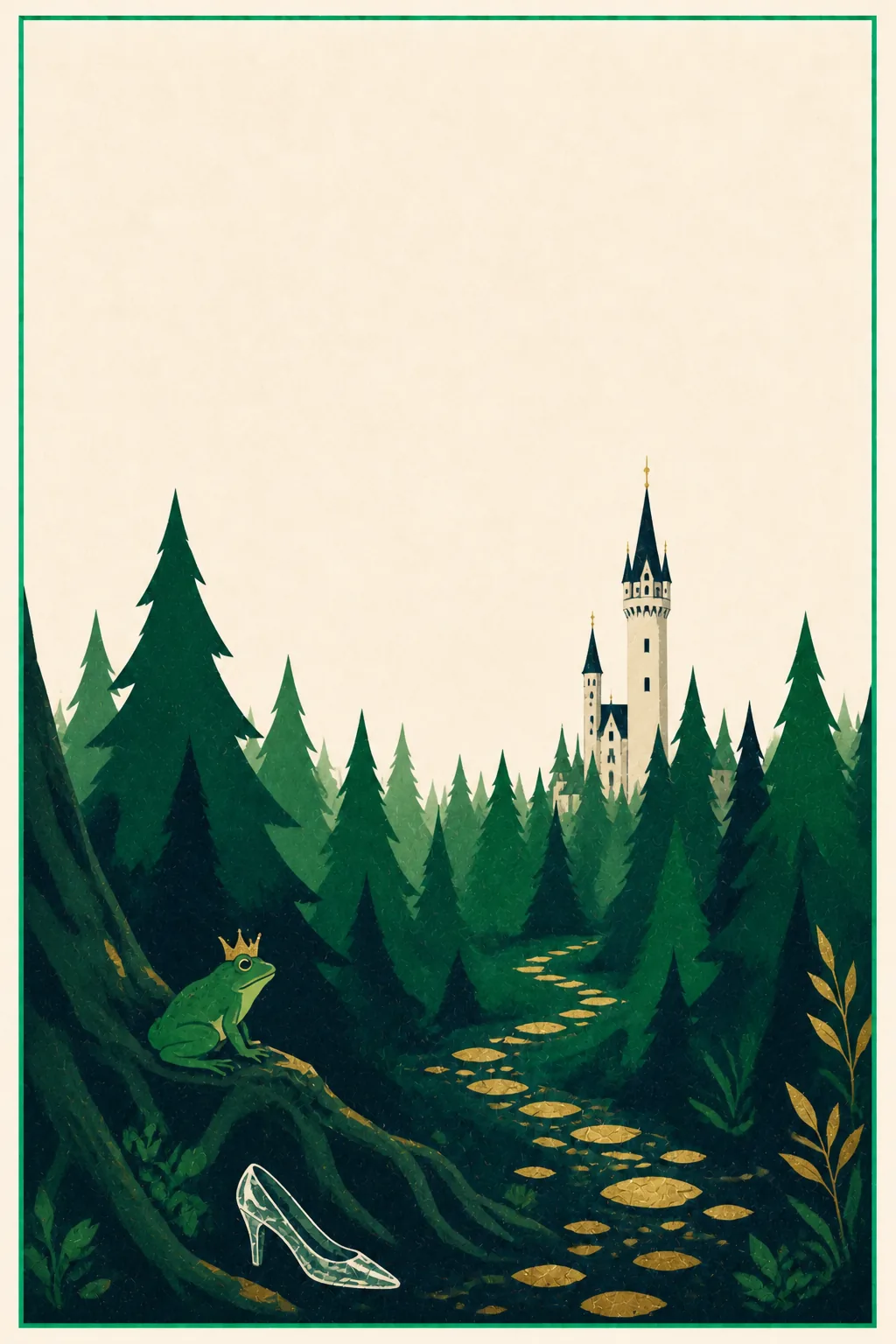
Grimm's Fairy Tales
Jacob & Wilhelm Grimm
The classic German fairy tales — Cinderella, Hansel and Gretel, Rapunzel and more — in a bilingual selection.
$3.99 USD
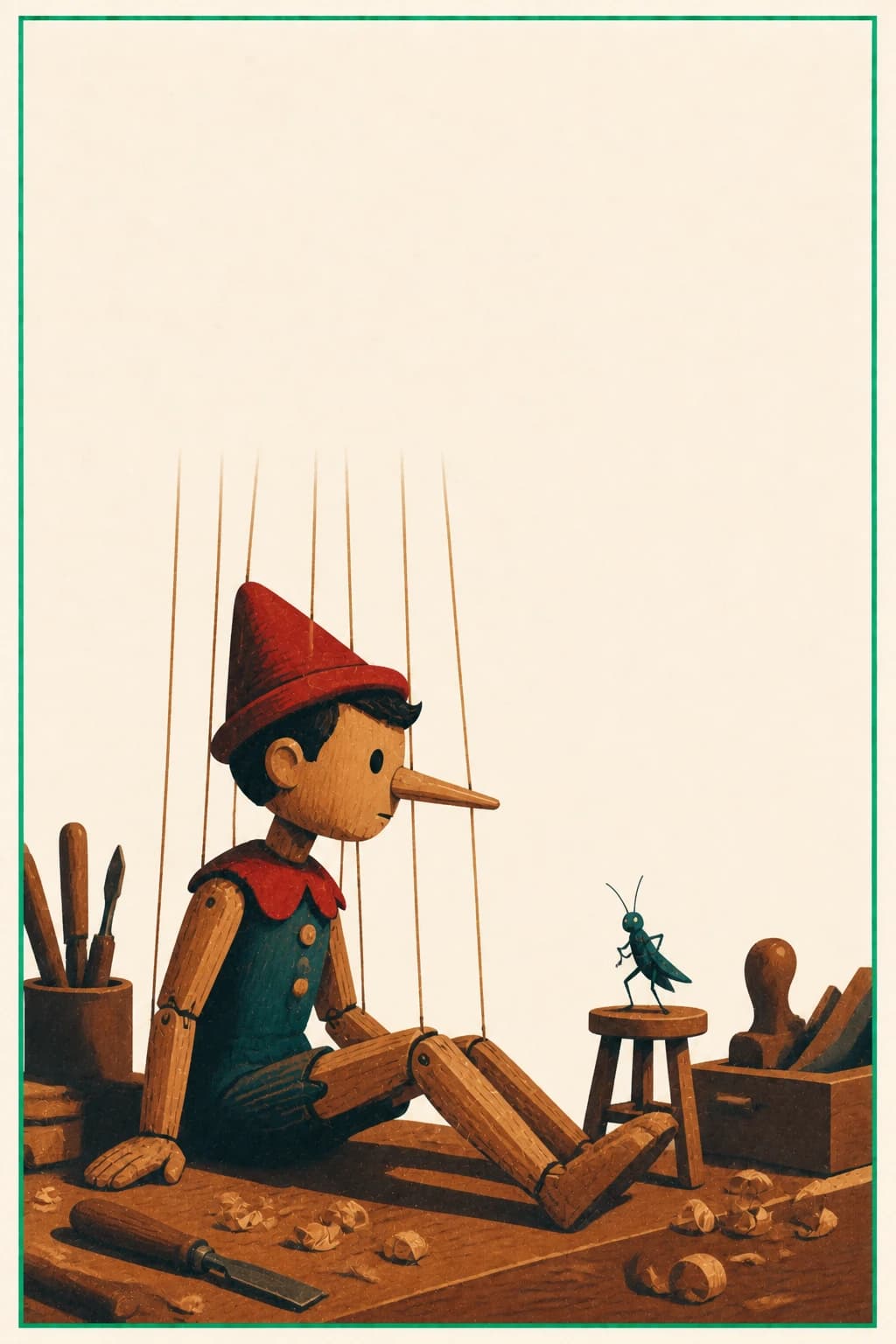
The Adventures of Pinocchio
Carlo Collodi
A wooden puppet comes to life and stumbles through an adventure of mischief and peril on his way to becoming a real boy.
$3.99 USD

The Wonderful Wizard of Oz
L. Frank Baum
Dorothy follows the yellow brick road with three unforgettable friends in this clear, adventurous beginner classic.
$3.99 USD
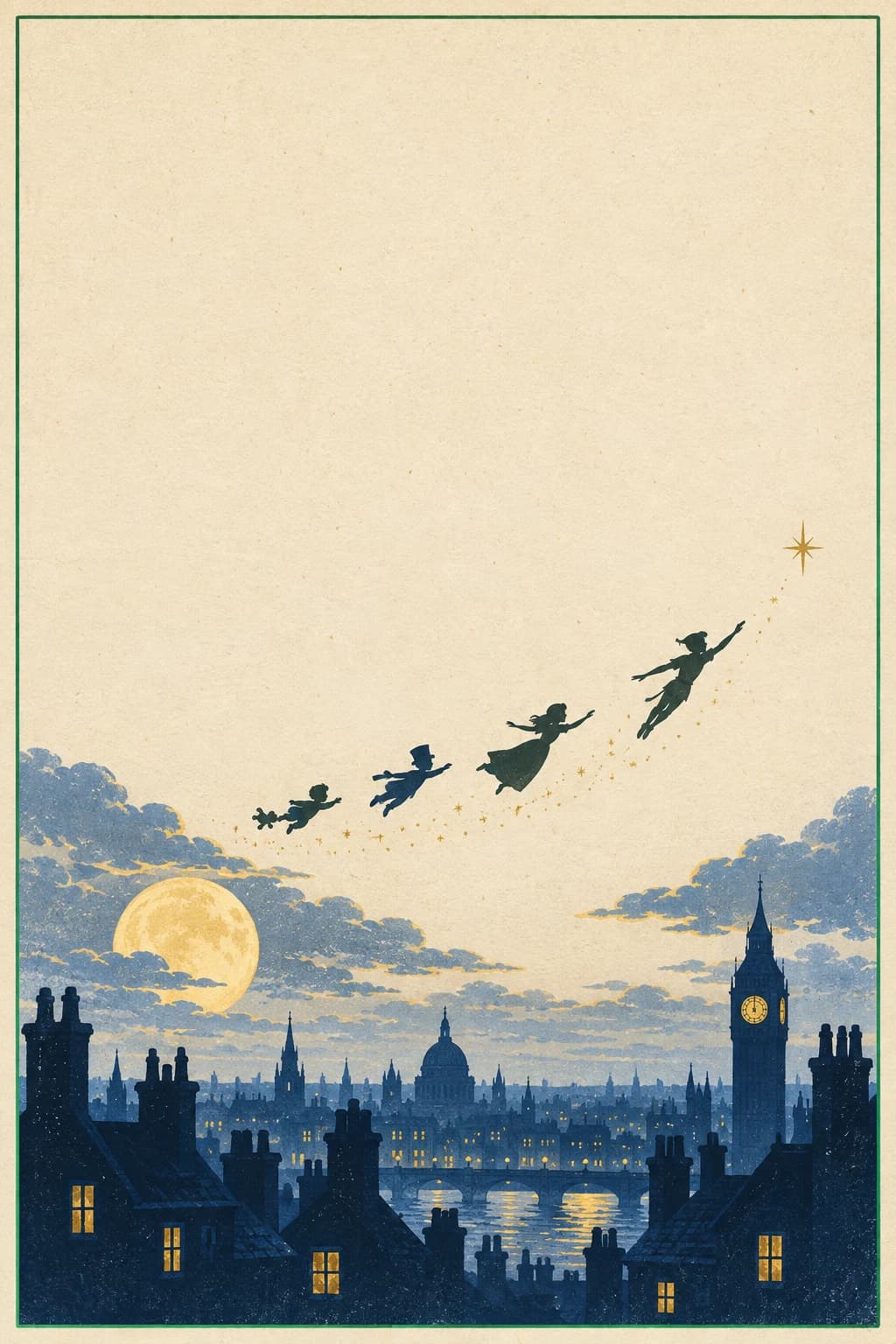
Peter Pan
J. M. Barrie
Wendy and her brothers fly to Neverland with the boy who refuses to grow up in this magical adventure.
$3.99 USD
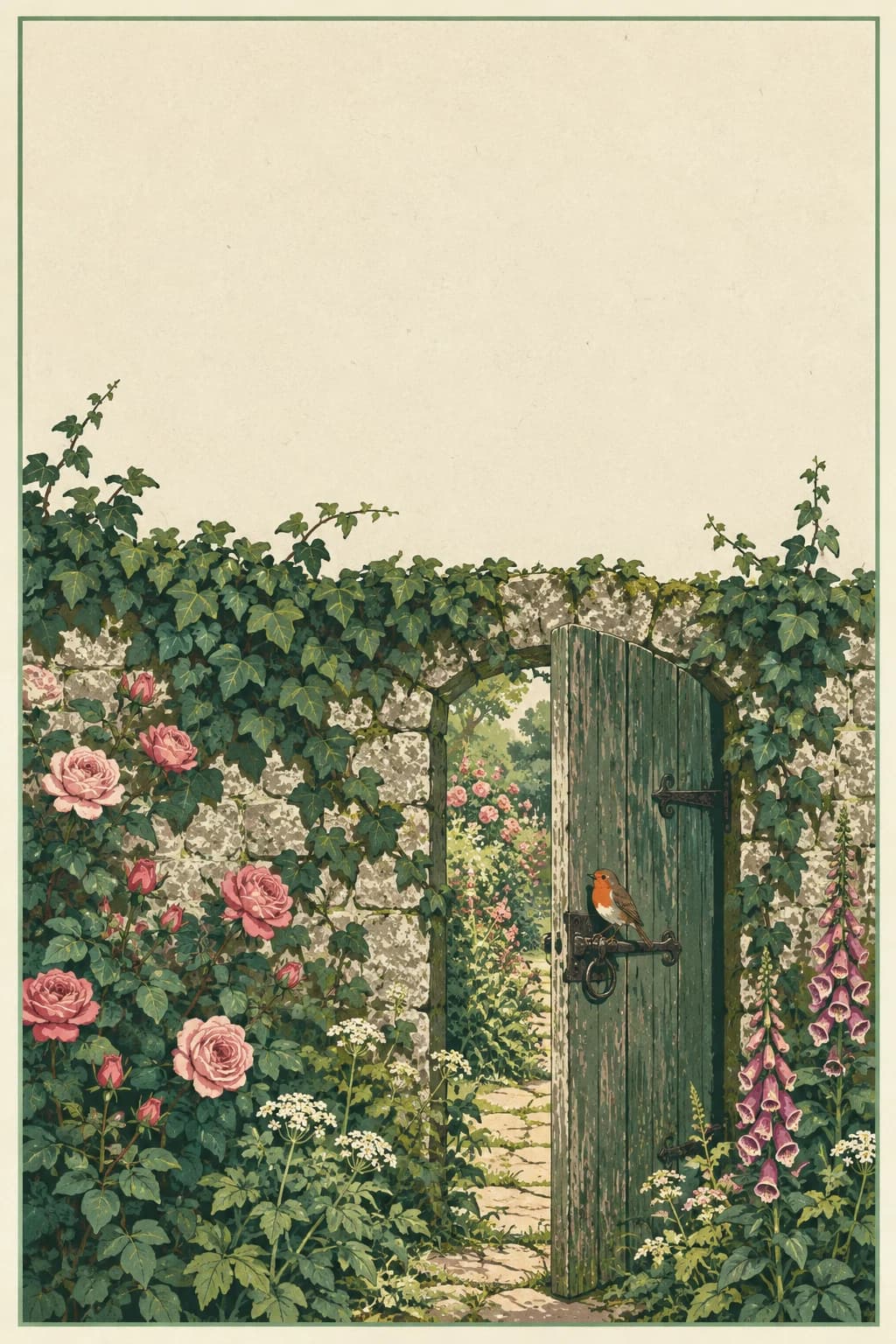
The Secret Garden
Frances Hodgson Burnett
A lonely girl discovers a locked garden and helps bring a forgotten corner of a Yorkshire manor back to life.
$5.99 USD
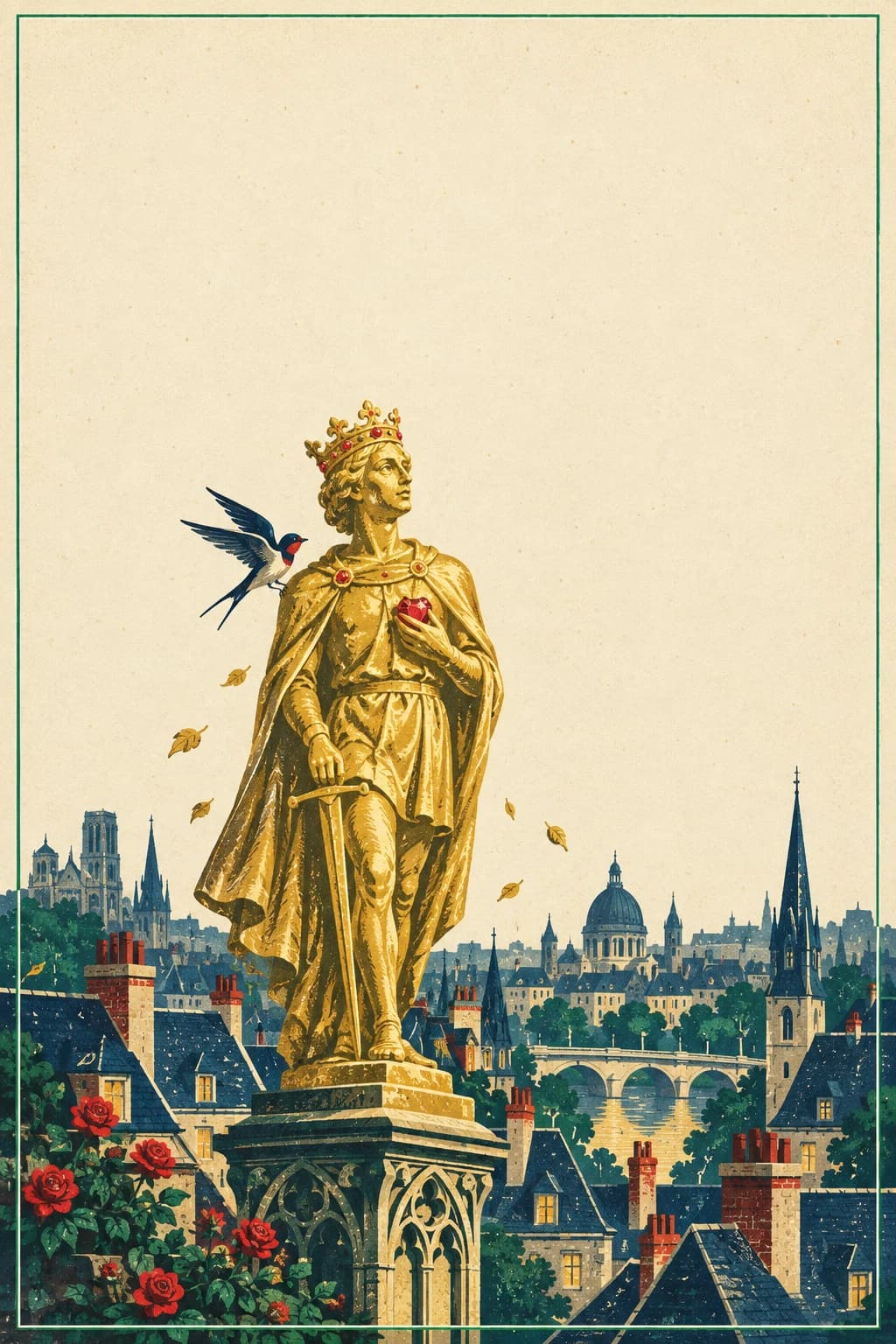
The Happy Prince and Other Tales
Oscar Wilde
Five moving fairy tales about kindness, beauty and sacrifice, led by the golden statue of the Happy Prince.
$1.99 USD
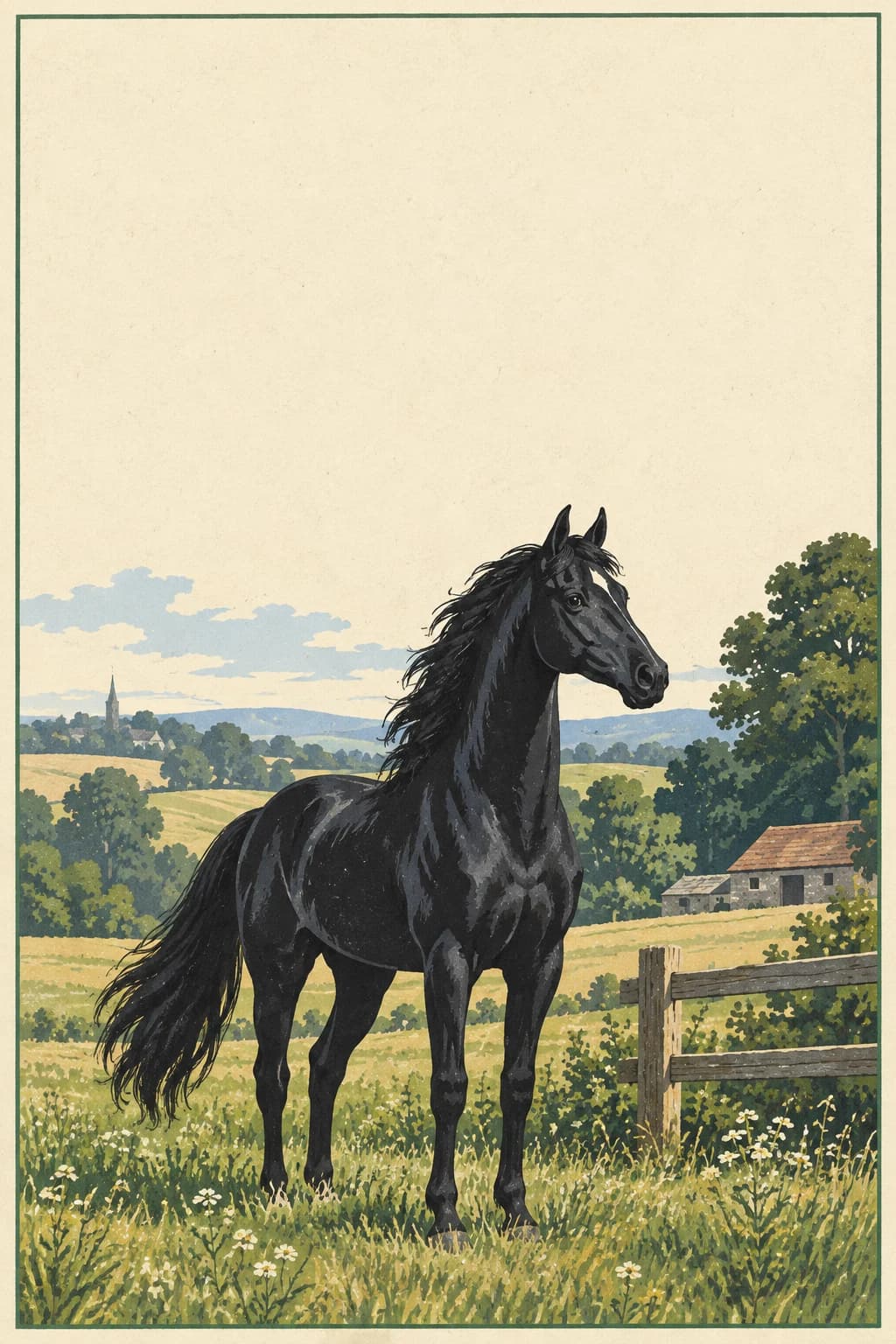
Black Beauty
Anna Sewell
A horse tells the story of his life with kind and cruel owners in this enduring plea for compassion.
$3.99 USD

Around the World in Eighty Days
Jules Verne
Phileas Fogg wagers his fortune on circling the globe in eighty days and begins a race against time.
$3.99 USD
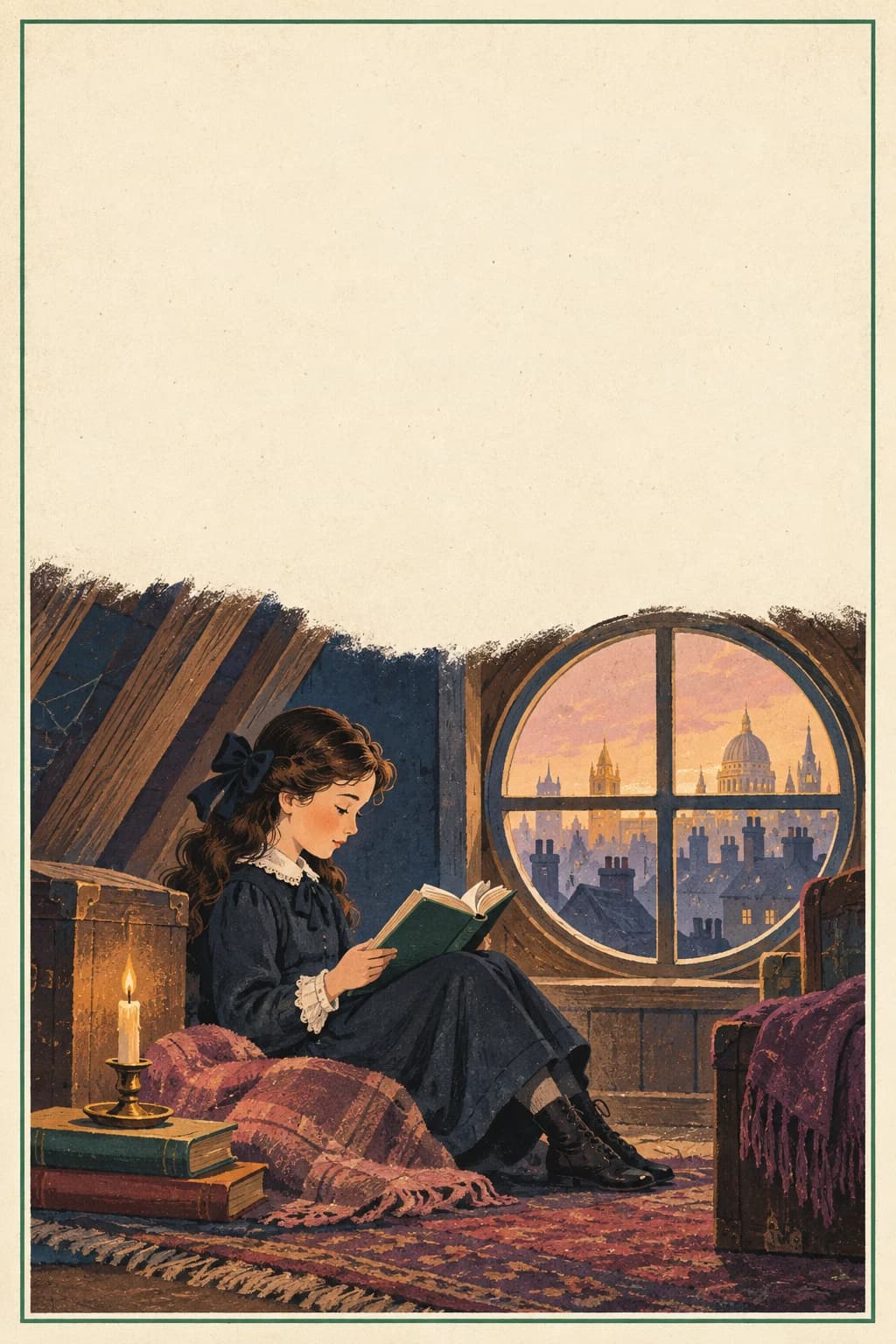
A Little Princess
Frances Hodgson Burnett
Sara Crewe loses her fortune but protects her dignity and imagination through hardship at a London school.
$3.99 USD
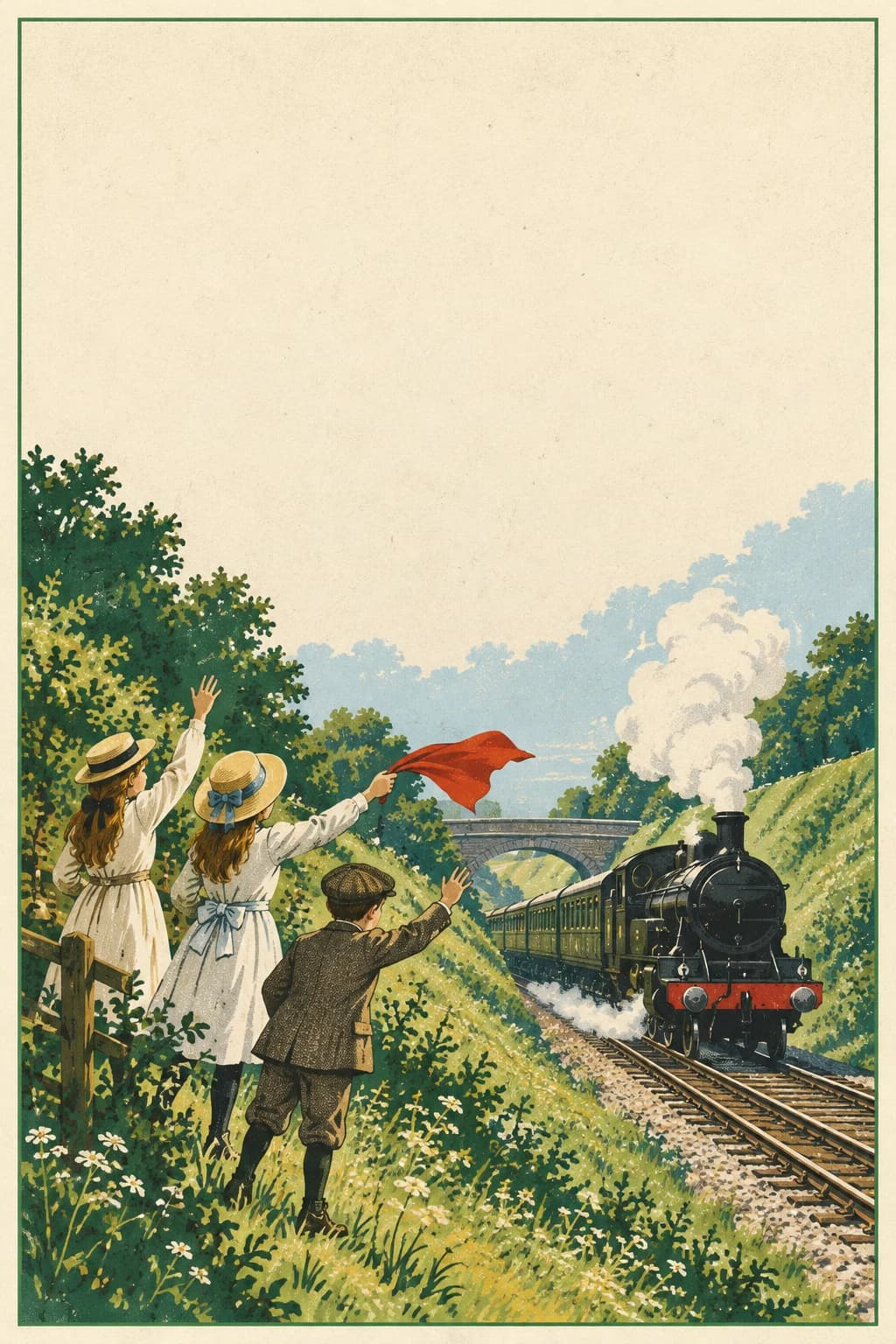
The Railway Children
E. Nesbit
Three children find adventure, friendship and hope beside a country railway after their father disappears.
$3.99 USD
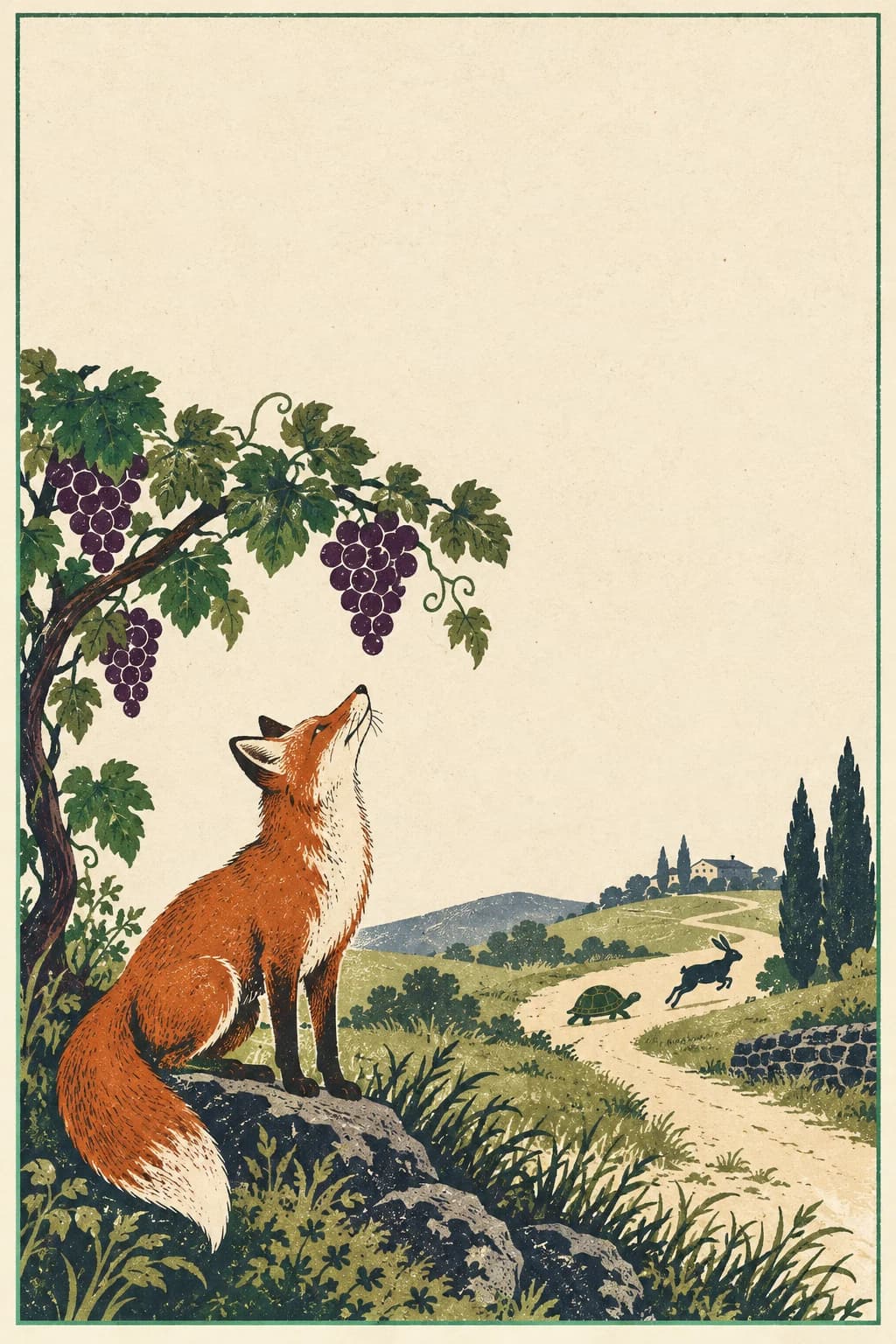
Aesop's Fables
Aesop
Brief animal stories deliver memorable lessons about human nature, from the tortoise and hare to the boy who cried wolf.
$1.99 USD
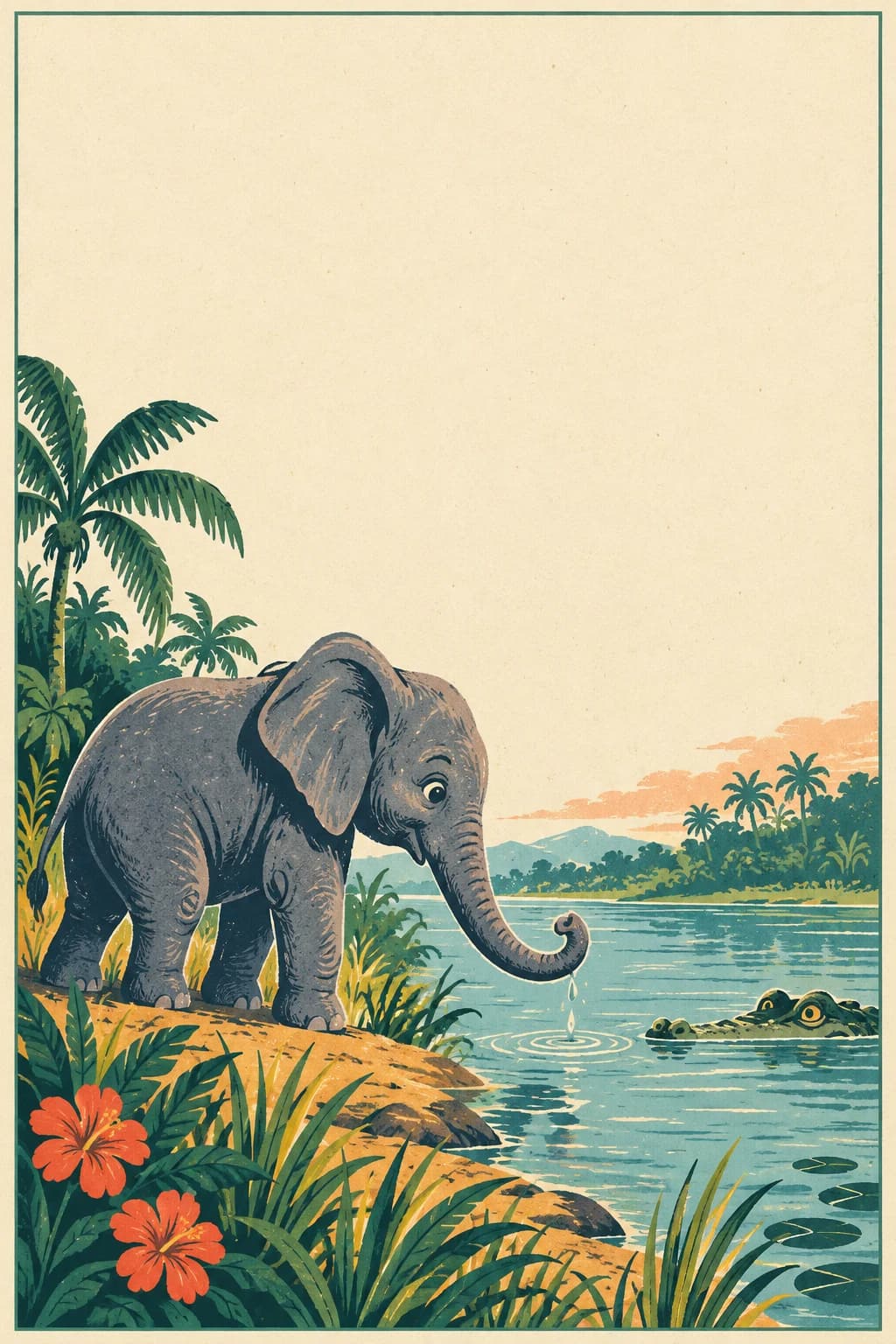
Just So Stories
Rudyard Kipling
Playful tales explain how animals got their most famous features, from the camel's hump to the leopard's spots.
$1.99 USD
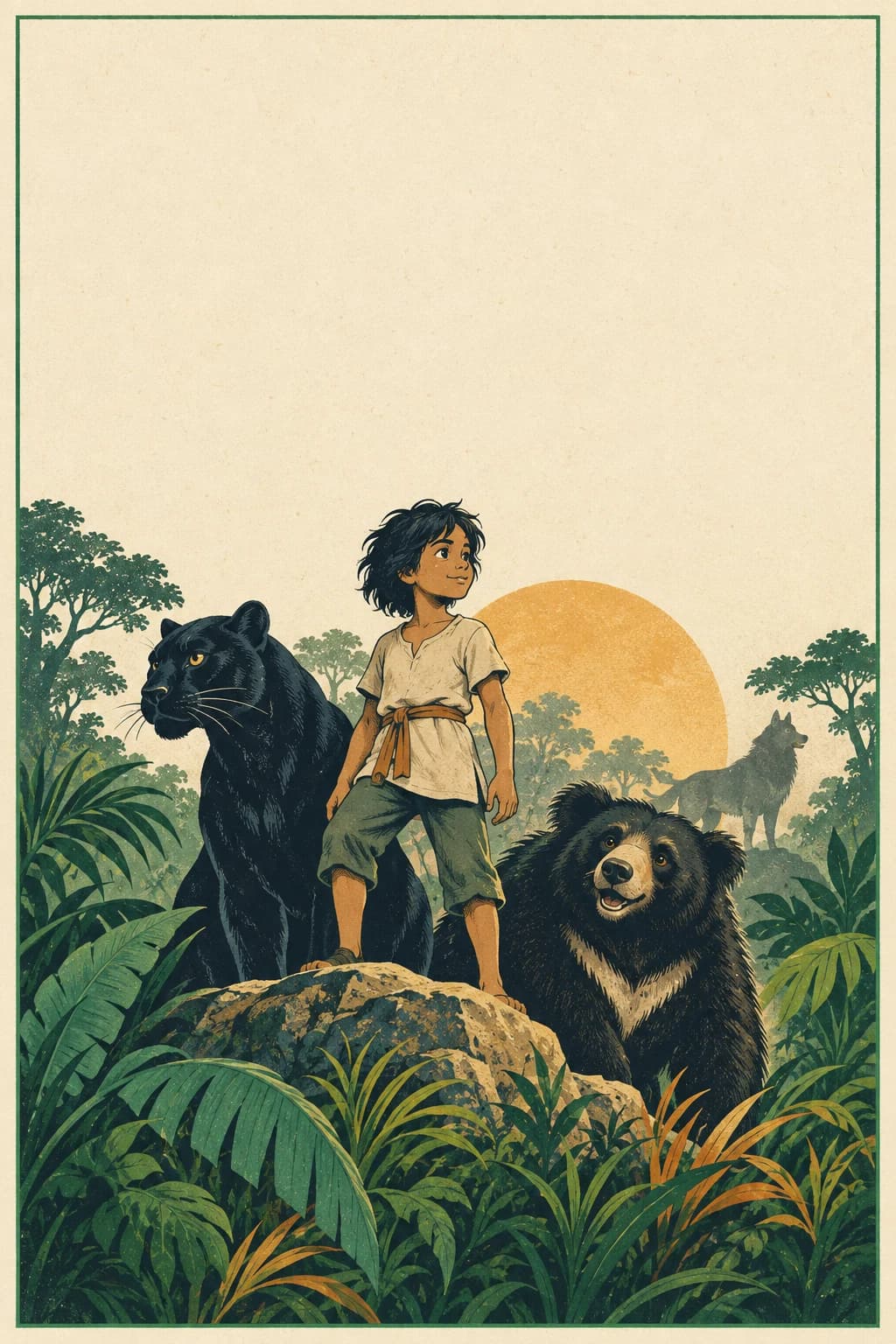
The Jungle Book
Rudyard Kipling
Mowgli learns the Law of the Jungle among wolves, Baloo and Bagheera in a classic collection of animal adventures.
$3.99 USD
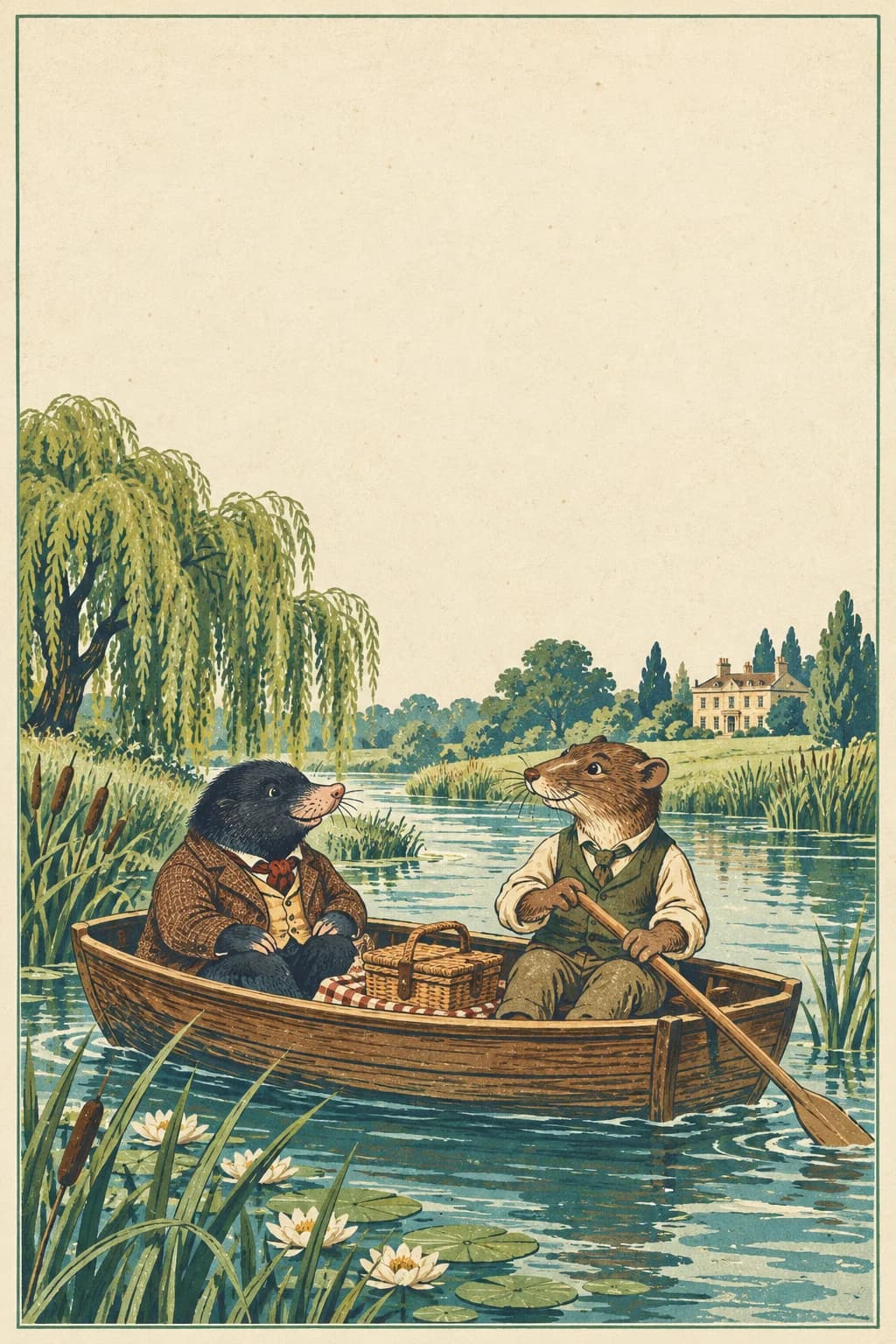
The Wind in the Willows
Kenneth Grahame
Mole, Rat, Badger and reckless Mr Toad share gentle riverbank days and wildly comic adventures.
$3.99 USD
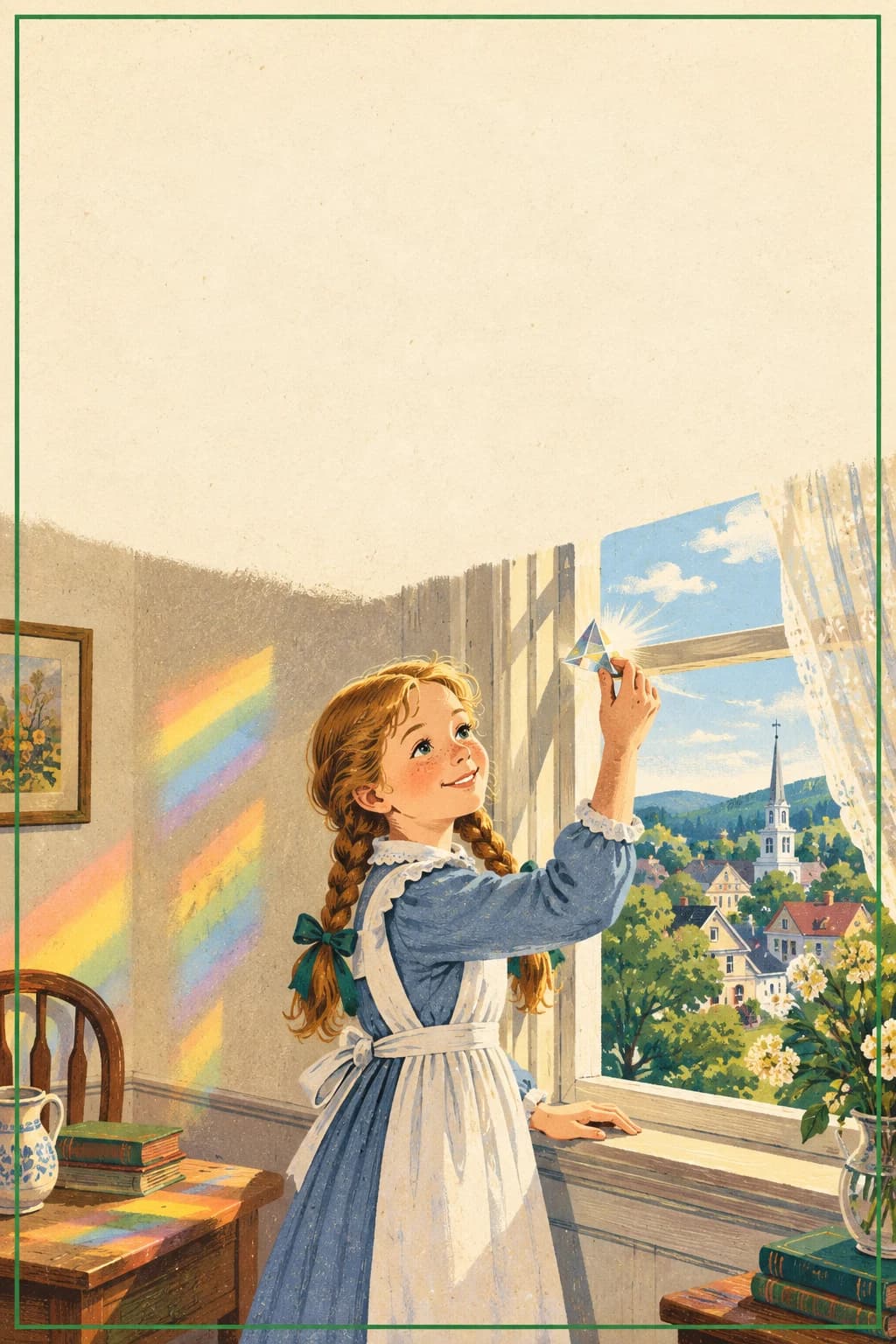
Pollyanna
Eleanor H. Porter
An orphan's habit of finding something to be glad about slowly transforms her stern aunt and an entire town.
$3.99 USD
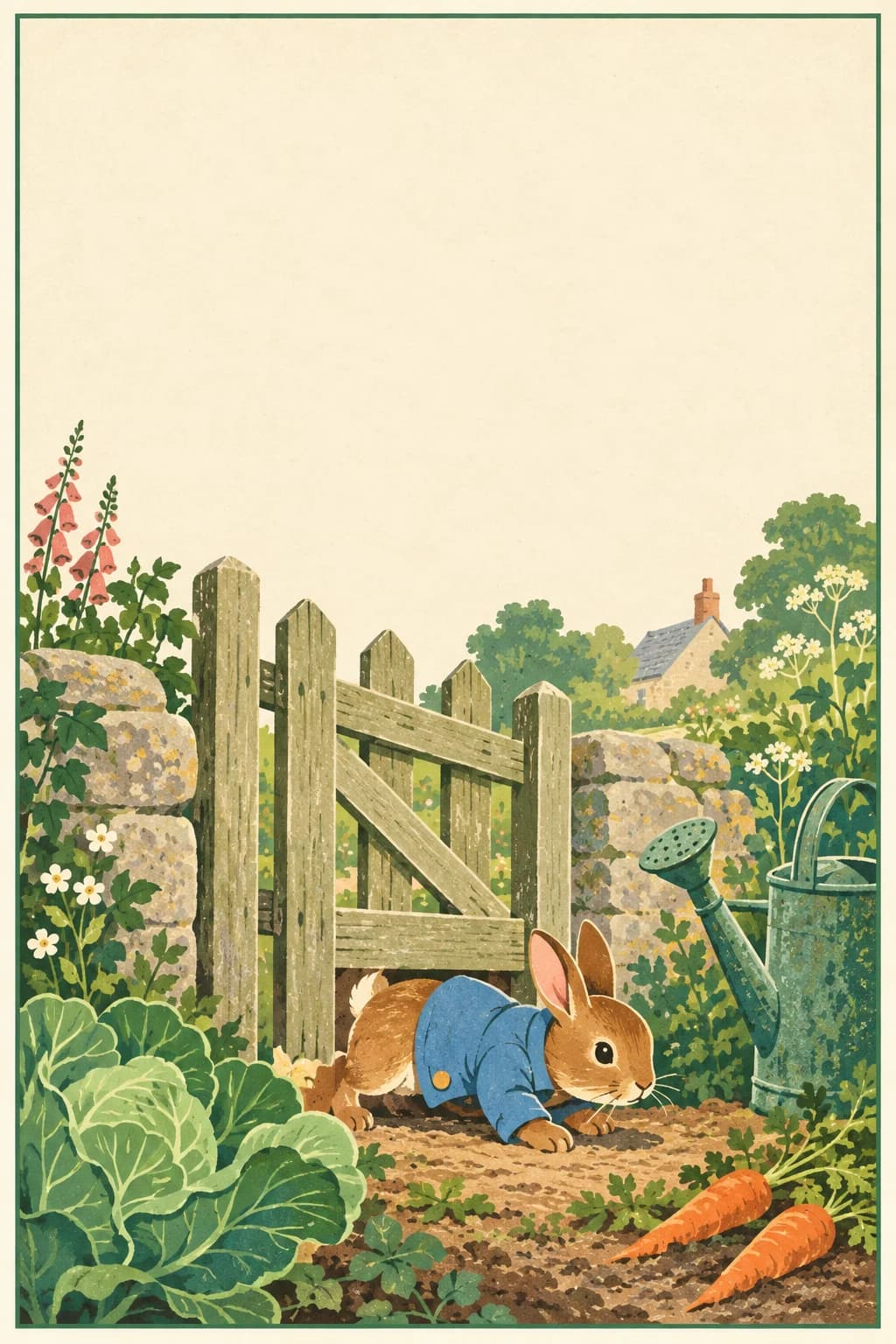
The Tale of Peter Rabbit and Other Stories
Beatrix Potter
Six gentle animal tales begin with mischievous Peter Rabbit's forbidden visit to Mr McGregor's garden.
Free

English Fairy Tales
Joseph Jacobs
A lively collection of traditional tales including Jack and the Beanstalk, The Three Little Pigs and many more.
$3.99 USD
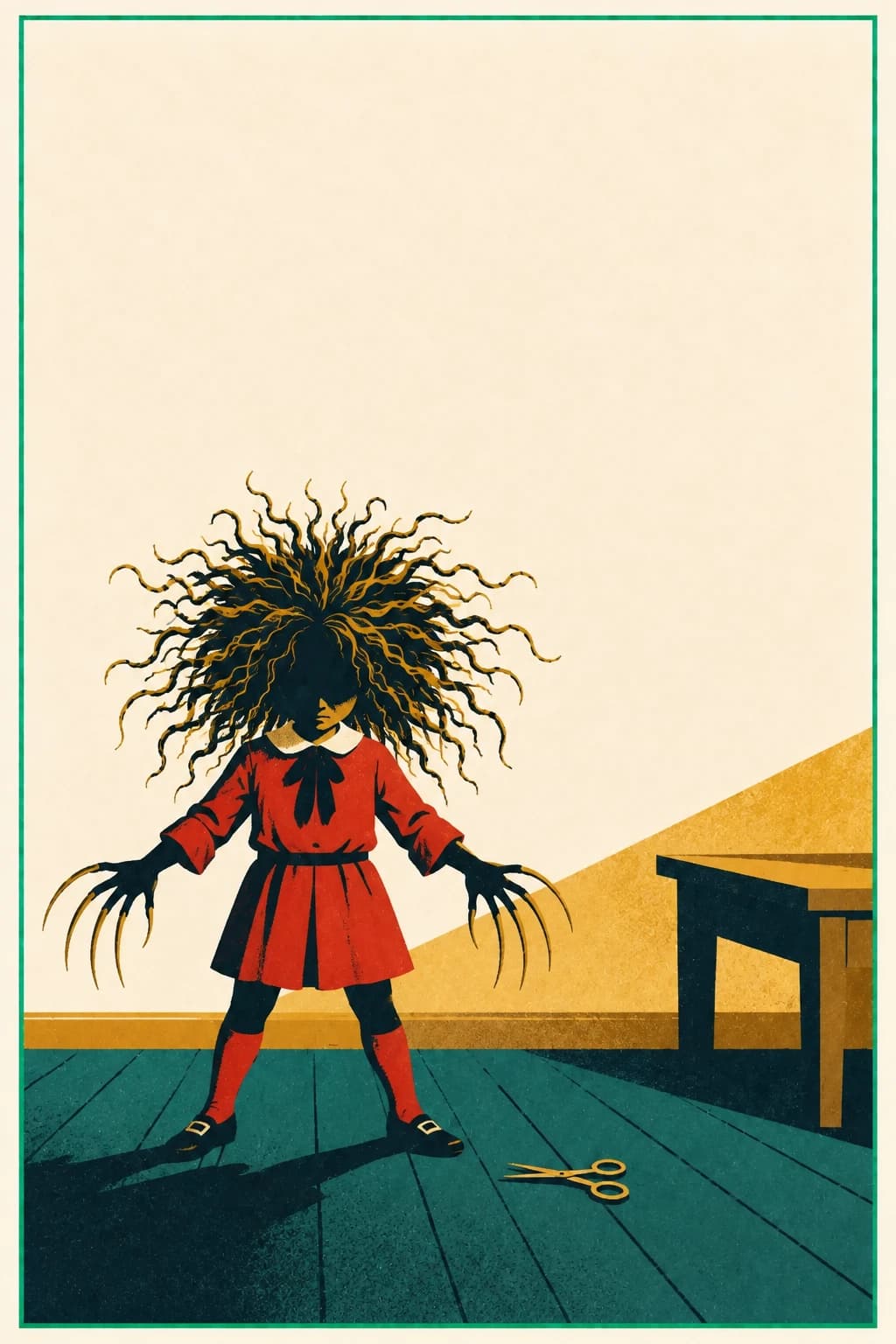
Der Struwwelpeter
Heinrich Hoffmann
Darkly comic cautionary rhymes about mischievous children who meet wildly exaggerated fates.
$1.99 USD
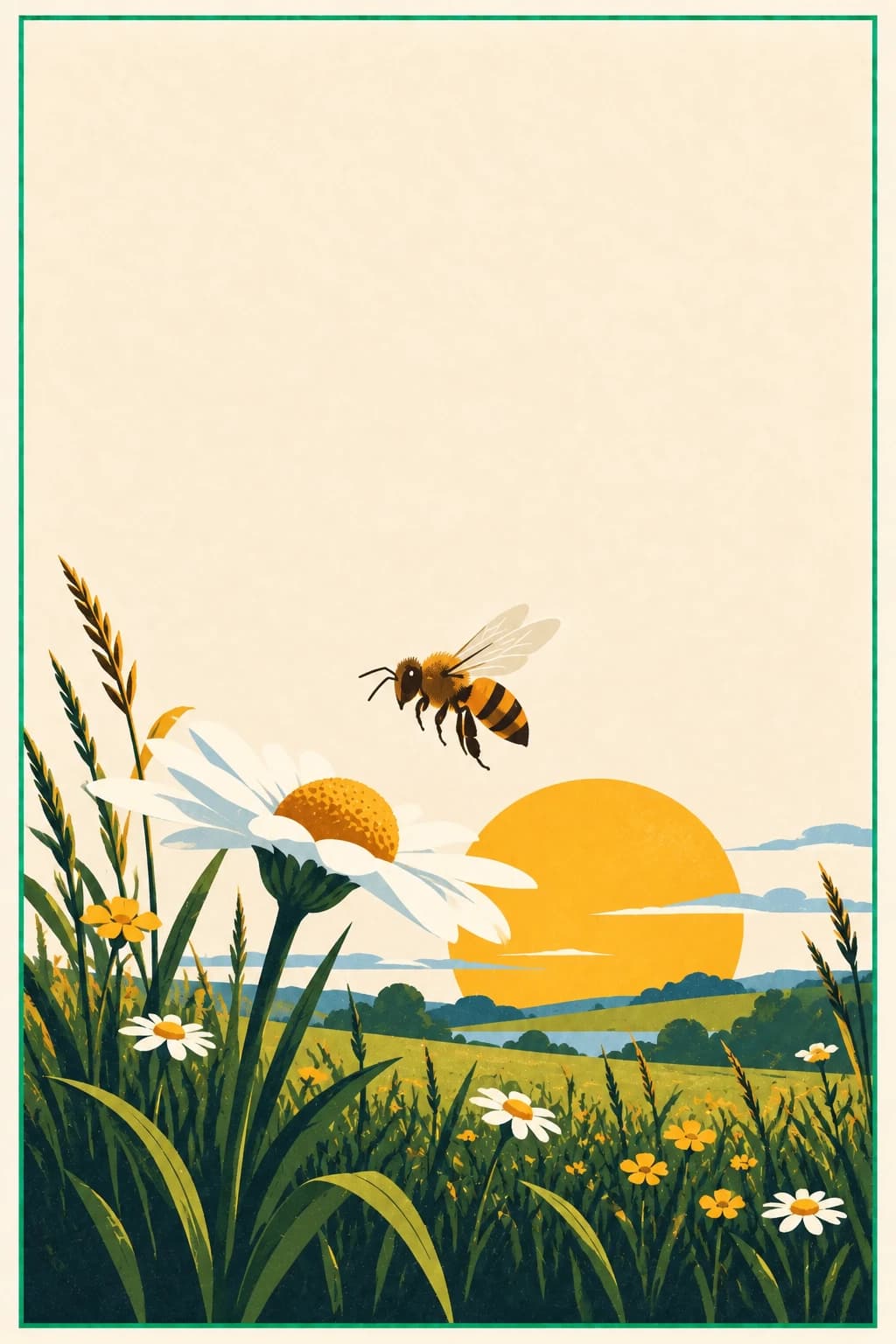
Die Biene Maja
Waldemar Bonsels
A young bee defies her hive to see the wide world, and must race home to warn of a hornet attack.
$3.99 USD
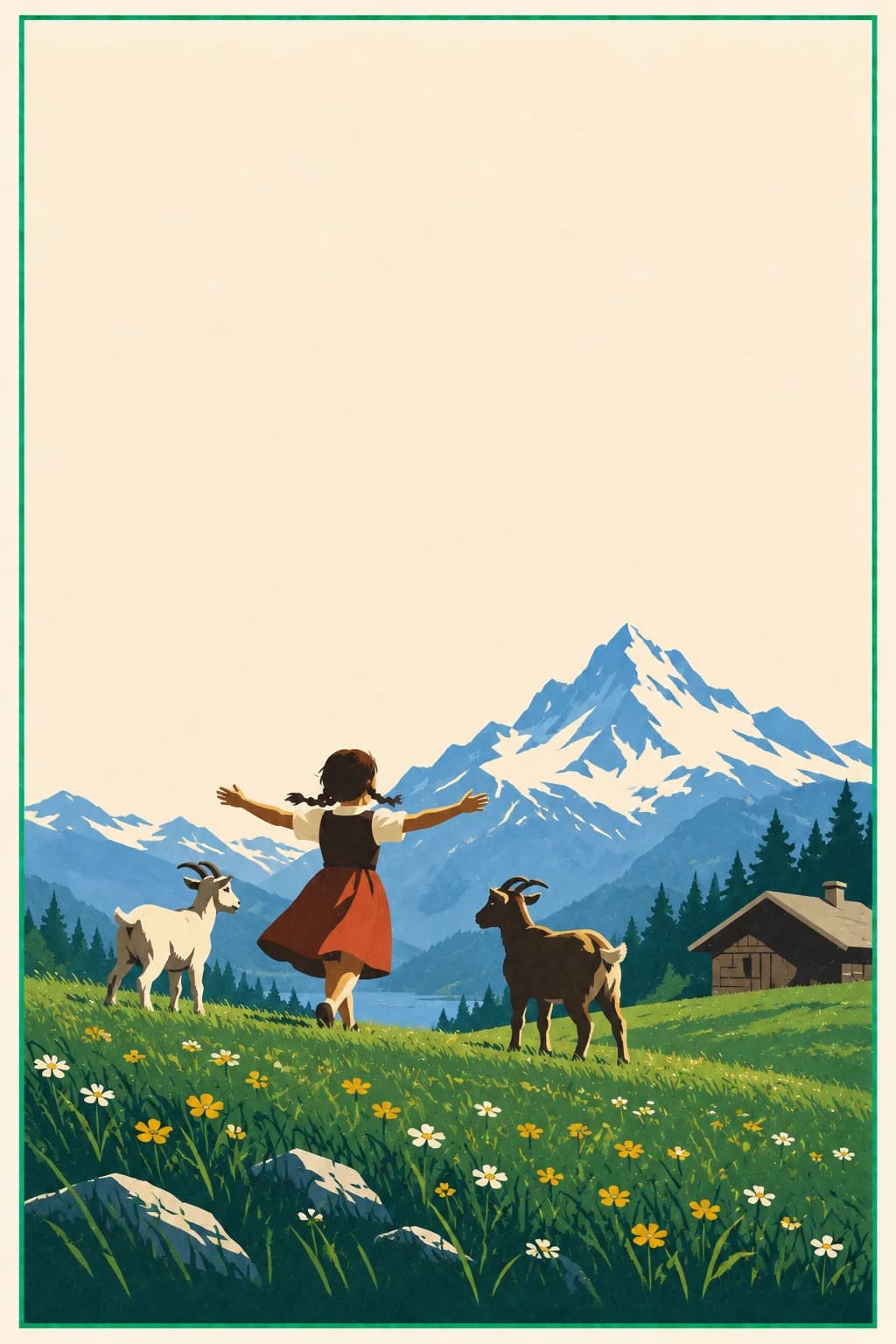
Heidi
Johanna Spyri
A young orphan blossoms in the Swiss Alps with her gruff grandfather, then works quiet wonders far from the mountains.
$3.99 USD
What “Beginner” means here
“Beginner” marks the original texts we judge easiest to read, roughly A2–B1 on the CEFR scale. In practice that means a smaller, more everyday vocabulary, shorter and more direct sentences, and little of the archaic or ornate phrasing that makes older classics hard going.
Treat the tag as an honest editorial estimate, not a certified CEFR score. We rate the original's difficulty, not the translation — and no single number fits a whole book, so use it to pick a comfortable starting point rather than as a precise grade.
When to move up
When you finish a beginner title mostly reading the original and only checking the translation now and then, you're ready to level up. Move to the Intermediate (B1–B2) hub linked below for longer stories and a wider vocabulary; save the Advanced (B2–C1) hub for when period language and long sentences no longer slow you down.
Is Beginner the right level for you?
- Open the free aligned sample on any book page and read a page. If you follow the gist of most sentences without leaning on the translation, this level fits.
- If you need the translation on almost every sentence to grasp what is happening, this is already the right place to start — don't go lower.
- If the sample feels effortless and you rarely glance right, try the Intermediate hub instead.
- You can recognise common past tenses and everyday words without reaching for a dictionary.