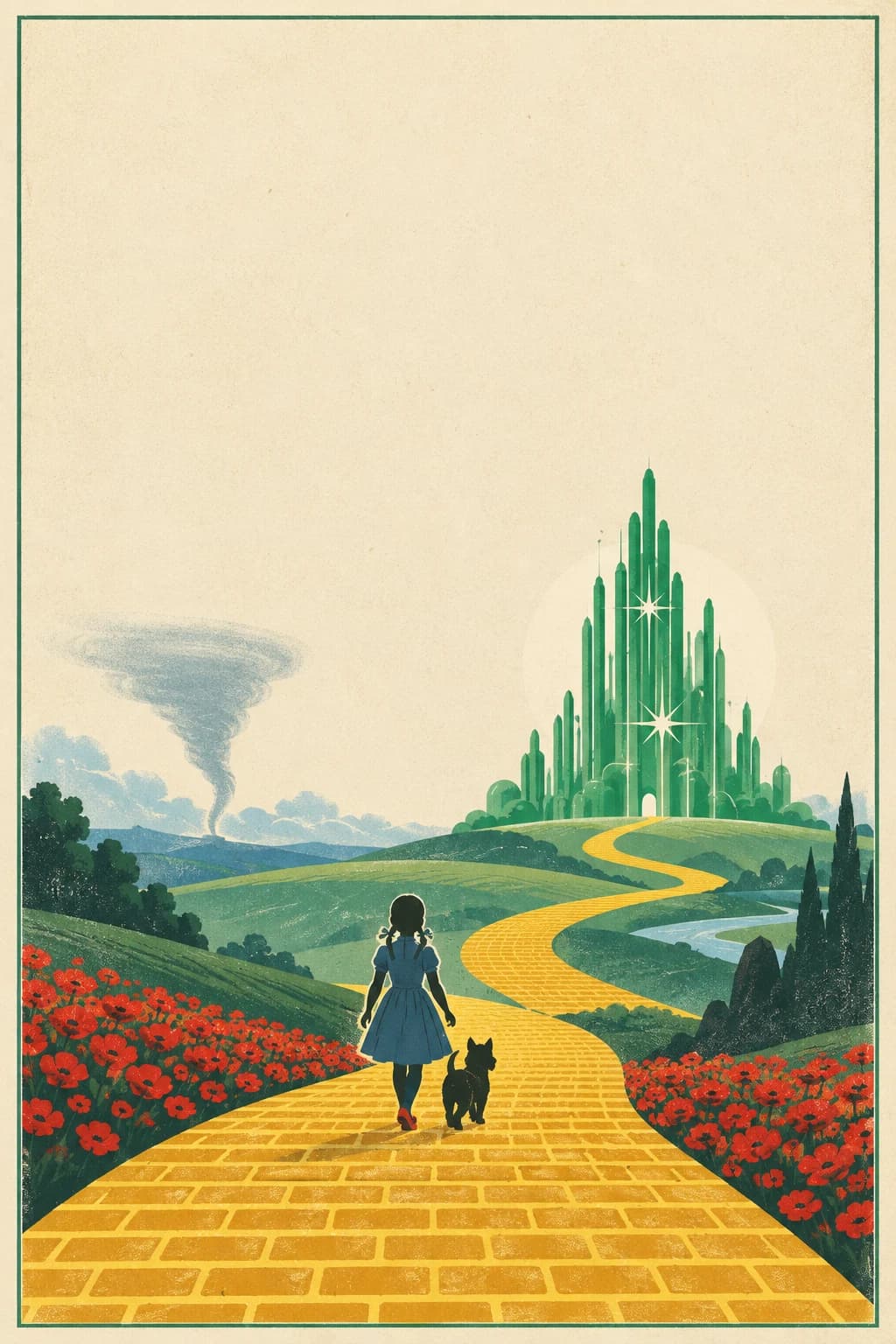
The Wonderful Wizard of Oz
by L. Frank Baum
A cyclone carries Dorothy and Toto from Kansas to the magical Land of Oz. On the road to the Emerald City they meet a Scarecrow, Tin Woodman and Cowardly Lion, each searching for what they believe they lack. Short chapters, forward motion and familiar characters make this an inviting first full bilingual novel.
"Dorothy lived in the midst of the great Kansas prairies, with Uncle Henry, who was a farmer, and Aunt Em, who was the farmer's wife."
This book is currently in production.
For now, only preordering is available.
$3.99→$1.99
50% preorder discount
The Wonderful Wizard of Oz · English → German · Side-by-Side
Secure payment via Stripe. Preorders are delivered once production is complete.
Want this book in a different language?
We add new languages based on reader demand.
Request Another LanguageRead a Free Bilingual Sample
The opening of “The Wonderful Wizard of Oz” with the translation aligned paragraph by paragraph — exactly how the full edition reads.
Introduction Chapter I. The Cyclone Chapter II. The Council with the Munchkins Chapter III. How Dorothy Saved the Scarecrow Chapter IV. The Road Through the Forest Chapter V. The Rescue of the Tin Woodman Chapter VI. The Cowardly Lion Chapter VII. The Journey to the Great Oz Chapter VIII. The Deadly Poppy Field Chapter IX. The Queen of the Field Mice Chapter X. The Guardian of the Gates Chapter XI. The Emerald City of Oz Chapter XII. The Search for the Wicked Witch Chapter XIII. The Rescue Chapter XIV. The Winged Monkeys Chapter XV. The Discovery of Oz, the Terrible Chapter XVI. The Magic Art of the Great Humbug Chapter XVII. How the Balloon Was Launched Chapter XVIII. Away to the South Chapter XIX. Attacked by the Fighting Trees Chapter XX. The Dainty China Country Chapter XXI. The Lion Becomes the King of Beasts Chapter XXII. The Country of the Quadlings Chapter XXIII. Glinda The Good Witch Grants Dorothy’s Wish Chapter XXIV. Home Again
Einleitung Kapitel I. Der Wirbelsturm Kapitel II. Der Rat mit den Munchkins Kapitel III. Wie Dorothy die Vogelscheuche rettete Kapitel IV. Der Weg durch den Wald Kapitel V. Die Rettung des Blechmanns Kapitel VI. Der feige Löwe Kapitel VII. Die Reise zum großen Oz Kapitel VIII. Das tödliche Mohnfeld Kapitel IX. Die Königin der Feldmäuse Kapitel X. Der Wächter der Tore Kapitel XI. Die Smaragdstadt von Oz Kapitel XII. Die Suche nach der bösen Hexe Kapitel XIII. Die Rettung Kapitel XIV. Die geflügelten Affen Kapitel XV. Die Entdeckung von Oz, dem Schrecklichen Kapitel XVI. Die Zauberkunst des großen Schwindlers Kapitel XVII. Wie der Ballon aufstieg Kapitel XVIII. Auf nach Süden Kapitel XIX. Angriff der kämpfenden Bäume Kapitel XX. Das zerbrechliche Porzellanland Kapitel XXI. Der Löwe wird König der Tiere Kapitel XXII. Das Land der Quadlinge Kapitel XXIII. Glinda, die gute Hexe, erfüllt Dorothys Wunsch Kapitel XXIV. Wieder zu Hause
Folklore, legends, myths and fairy tales have followed childhood through the ages, for every healthy youngster has a wholesome and instinctive love for stories fantastic, marvelous and manifestly unreal. The winged fairies of Grimm and Andersen have brought more happiness to childish hearts than all other human creations.
Volkssagen, Legenden, Mythen und Märchen begleiten Kinder schon seit vielen Jahrhunderten. Jedes gesunde Kind liebt Geschichten, die fantastisch, wunderbar und ganz und gar unwirklich sind. Die geflügelten Feen von Grimm und Andersen haben Kinderherzen mehr Freude gebracht als alle anderen menschlichen Werke.
Yet the old time fairy tale, having served for generations, may now be classed as “historical” in the children’s library; for the time has come for a series of newer “wonder tales” in which the stereotyped genie, dwarf and fairy are eliminated, together with all the horrible and blood-curdling incidents devised by their authors to point a fearsome moral to each tale. Modern education includes morality; therefore the modern child seeks only entertainment in its wonder tales and gladly dispenses with all disagreeable incident.
Aber die alten Märchen haben schon vielen Generationen gedient. Man kann sie heute als „historisch“ bezeichnen. Jetzt ist die Zeit für neue „Wundergeschichten“ gekommen. In diesen Geschichten gibt es keine typischen Geister, Zwerge und Feen mehr. Auch die schrecklichen und blutrünstigen Ereignisse fehlen, die frühere Autoren nutzten, um jeder Geschichte eine erschreckende Moral zu geben. Moderne Erziehung lehrt Kinder schon Moral. Deshalb suchen Kinder heute in Wundergeschichten nur Unterhaltung. Sie können gut auf unangenehme Ereignisse verzichten.
Having this thought in mind, the story of “The Wonderful Wizard of Oz” was written solely to please children of today. It aspires to being a modernized fairy tale, in which the wonderment and joy are retained and the heartaches and nightmares are left out.
Mit diesem Gedanken im Kopf wurde die Geschichte von „Der wundervolle Zauberer von Oz“ geschrieben. Sie soll den Kindern von heute einfach nur Freude machen. Sie will ein modernes Märchen sein. Das Staunen und die Freude bleiben darin erhalten, aber Kummer und Albträume fehlen.
Dorothy lived in the midst of the great Kansas prairies, with Uncle Henry, who was a farmer, and Aunt Em, who was the farmer’s wife. Their house was small, for the lumber to build it had to be carried by wagon many miles. There were four walls, a floor and a roof, which made one room; and this room contained a rusty looking cookstove, a cupboard for the dishes, a table, three or four chairs, and the beds. Uncle Henry and Aunt Em had a big bed in one corner, and Dorothy a little bed in another corner. There was no garret at all, and no cellar—except a small hole dug in the ground, called a cyclone cellar, where the family could go in case one of those great whirlwinds arose, mighty enough to crush any building in its path. It was reached by a trap door in the middle of the floor, from which a ladder led down into the small, dark hole.
Dorothy lebte mitten in den großen Prärien von Kansas. Sie wohnte bei Onkel Henry, der Bauer war, und Tante Em, seiner Frau. Ihr Haus war klein, denn das Holz dafür musste mit einem Wagen viele Meilen weit transportiert werden. Es gab vier Wände, einen Boden und ein Dach – das ergab nur einen einzigen Raum. In diesem Raum standen ein rostiger Herd, ein Schrank für das Geschirr, ein Tisch, drei oder vier Stühle und die Betten. Onkel Henry und Tante Em hatten ein großes Bett in einer Ecke, und Dorothy hatte ein kleines Bett in der anderen Ecke. Es gab keinen Dachboden und auch keinen Keller – nur ein kleines Loch in der Erde. Man nannte es den Wirbelsturmkeller. Dort konnte die Familie sich verstecken, wenn einer dieser großen Wirbelstürme kam, der stark genug war, jedes Gebäude auf seinem Weg zu zerstören. Man erreichte den Keller durch eine Falltür mitten im Boden. Von dort führte eine Leiter hinunter in das kleine, dunkle Loch.
When Dorothy stood in the doorway and looked around, she could see nothing but the great gray prairie on every side. Not a tree nor a house broke the broad sweep of flat country that reached to the edge of the sky in all directions. The sun had baked the plowed land into a gray mass, with little cracks running through it. Even the grass was not green, for the sun had burned the tops of the long blades until they were the same gray color to be seen everywhere. Once the house had been painted, but the sun blistered the paint and the rains washed it away, and now the house was as dull and gray as everything else.
Wenn Dorothy in der Tür stand und sich umsah, konnte sie nur die große graue Prärie sehen. Kein Baum und kein Haus unterbrach das flache Land, das sich in alle Richtungen bis zum Horizont erstreckte. Die Sonne hatte den gepflügten Boden zu einer grauen Masse gebacken, mit kleinen Rissen darin. Sogar das Gras war nicht grün, denn die Sonne hatte die Spitzen der langen Halme verbrannt. So sah man überall dasselbe Grau. Früher war das Haus einmal gestrichen worden, aber die Sonne hatte die Farbe aufplatzen lassen, und der Regen hatte sie weggewaschen. Jetzt war das Haus genauso grau und trüb wie alles andere.
When Aunt Em came there to live she was a young, pretty wife. The sun and wind had changed her, too. They had taken the sparkle from her eyes and left them a sober gray; they had taken the red from her cheeks and lips, and they were gray also. She was thin and gaunt, and never smiled now. When Dorothy, who was an orphan, first came to her, Aunt Em had been so startled by the child’s laughter that she would scream and press her hand upon her heart whenever Dorothy’s merry voice reached her ears; and she still looked at the little girl with wonder that she could find anything to laugh at.
Als Tante Em hierher zog, war sie noch eine junge, hübsche Frau. Aber die Sonne und der Wind hatten auch sie verändert. Sie hatten den Glanz aus ihren Augen genommen, sodass sie nur noch ernst und grau wirkten. Sie hatten das Rot aus ihren Wangen und Lippen genommen, sodass auch diese grau wurden. Sie war dünn und mager und lächelte nie mehr. Dorothy war eine Waise. Als sie zum ersten Mal zu Tante Em kam, erschrak diese so sehr über das Lachen des Kindes, dass sie jedes Mal aufschrie und sich die Hand auf das Herz drückte, wenn sie Dorothys fröhliche Stimme hörte. Noch immer sah sie das kleine Mädchen erstaunt an, weil sie nicht verstand, wie man hier überhaupt etwas zum Lachen finden konnte.
Uncle Henry never laughed. He worked hard from morning till night and did not know what joy was. He was gray also, from his long beard to his rough boots, and he looked stern and solemn, and rarely spoke.
Onkel Henry lachte nie. Er arbeitete hart von morgens bis abends und wusste nicht, was Freude war. Auch er war grau, von seinem langen Bart bis zu seinen groben Stiefeln. Er sah streng und ernst aus und sprach nur selten.
It was Toto that made Dorothy laugh, and saved her from growing as gray as her other surroundings. Toto was not gray; he was a little black dog, with long silky hair and small black eyes that twinkled merrily on either side of his funny, wee nose. Toto played all day long, and Dorothy played with him, and loved him dearly.
Nur Toto brachte Dorothy zum Lachen und bewahrte sie davor, genauso grau zu werden wie alles um sie herum. Toto war nicht grau. Er war ein kleiner schwarzer Hund mit langem, seidigem Fell und kleinen schwarzen Augen, die fröhlich neben seiner lustigen kleinen Nase funkelten. Toto spielte den ganzen Tag, und Dorothy spielte mit ihm. Sie liebte ihn sehr.
Today, however, they were not playing. Uncle Henry sat upon the doorstep and looked anxiously at the sky, which was even grayer than usual. Dorothy stood in the door with Toto in her arms, and looked at the sky too. Aunt Em was washing the dishes.
Heute jedoch spielten sie nicht. Onkel Henry saß auf der Türschwelle und schaute besorgt zum Himmel, der noch grauer war als sonst. Dorothy stand in der Tür, Toto auf dem Arm, und sah auch zum Himmel. Tante Em wusch das Geschirr.
From the far north they heard a low wail of the wind, and Uncle Henry and Dorothy could see where the long grass bowed in waves before the coming storm. There now came a sharp whistling in the air from the south, and as they turned their eyes that way they saw ripples in the grass coming from that direction also.
Aus dem fernen Norden hörten sie ein leises Heulen des Windes. Onkel Henry und Dorothy sahen, wie sich das lange Gras vor dem kommenden Sturm in Wellen bog. Dann kam ein scharfes Pfeifen aus dem Süden. Als sie in diese Richtung schauten, sahen sie, dass sich das Gras auch von dort in Wellen bewegte.
The full edition contains the complete, unabridged text in both layouts (side-by-side and paragraph) as EPUB and PDF.
What this edition includes
Complete unabridged text, sentence-aligned translation, EPUB and PDF files, plus side-by-side and paragraph layouts. Digital delivery; no physical item is shipped.
Simple size-based pricing: $1.99, $3.99 or $5.99 in USD. Both layouts cost the same; availability depends on the selected language pair and format.
Is this book right for you?
Beginner · approximately 159 pages. Read the free aligned sample below: if you understand most of the original before checking the translation, the level is a good fit.
Beginner · A2–B1 →Available language combinations
Continue reading
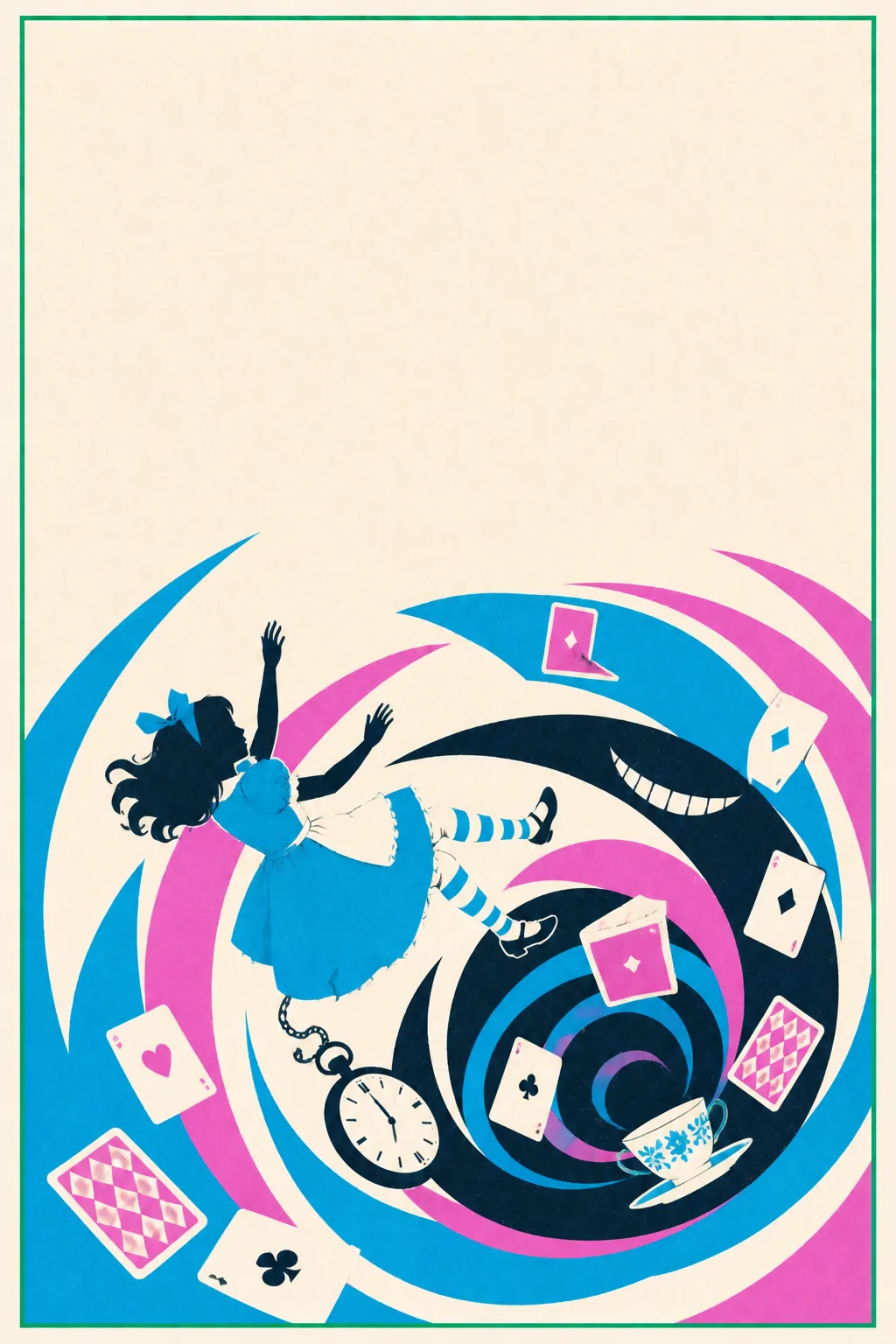
Alice's Adventures in Wonderland
Lewis Carroll
A curious girl tumbles down a rabbit hole into a nonsensical world of talking creatures and mad logic.
$1.99 USD
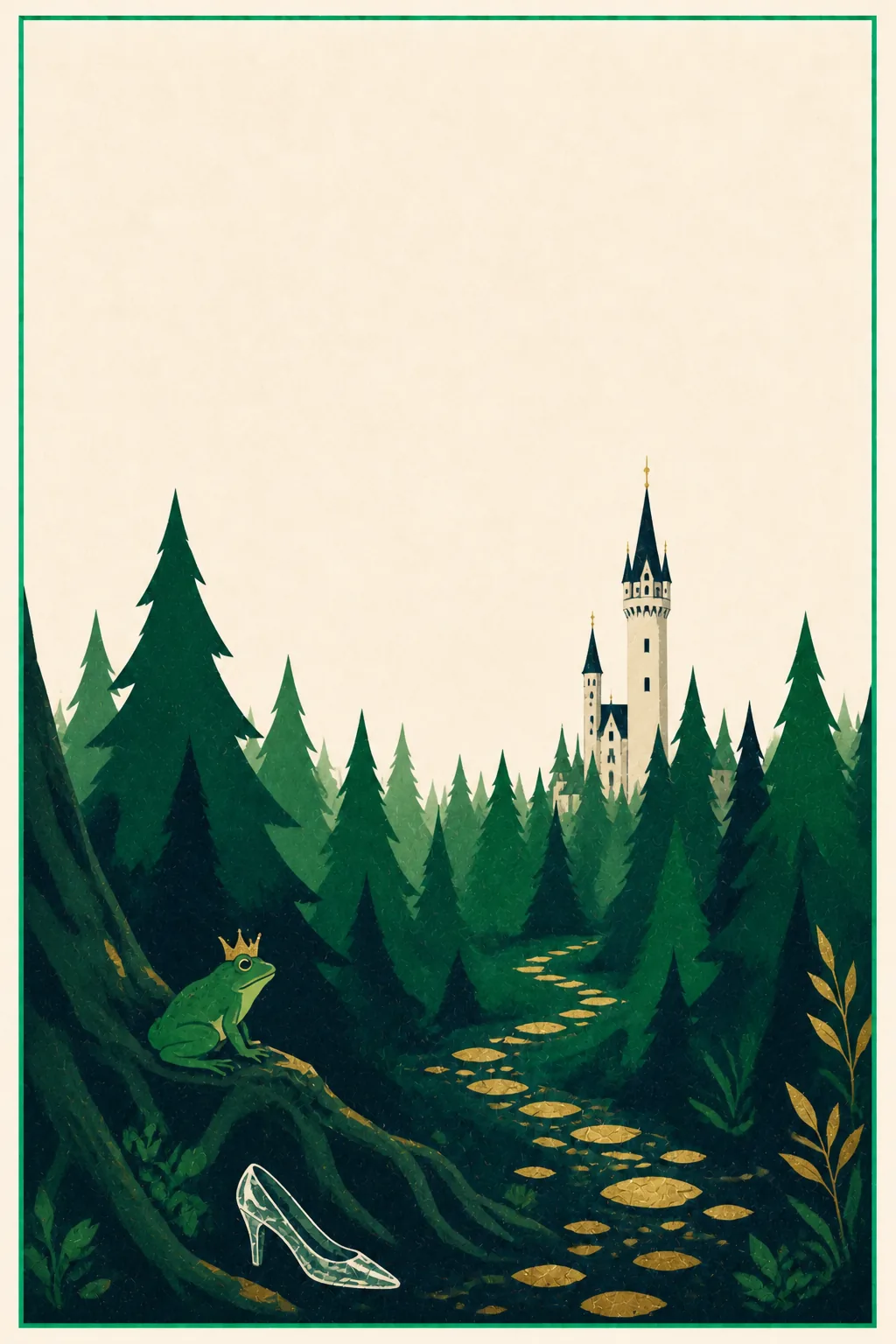
Grimm's Fairy Tales
Jacob & Wilhelm Grimm
The classic German fairy tales — Cinderella, Hansel and Gretel, Rapunzel and more — in a bilingual selection.
$3.99 USD
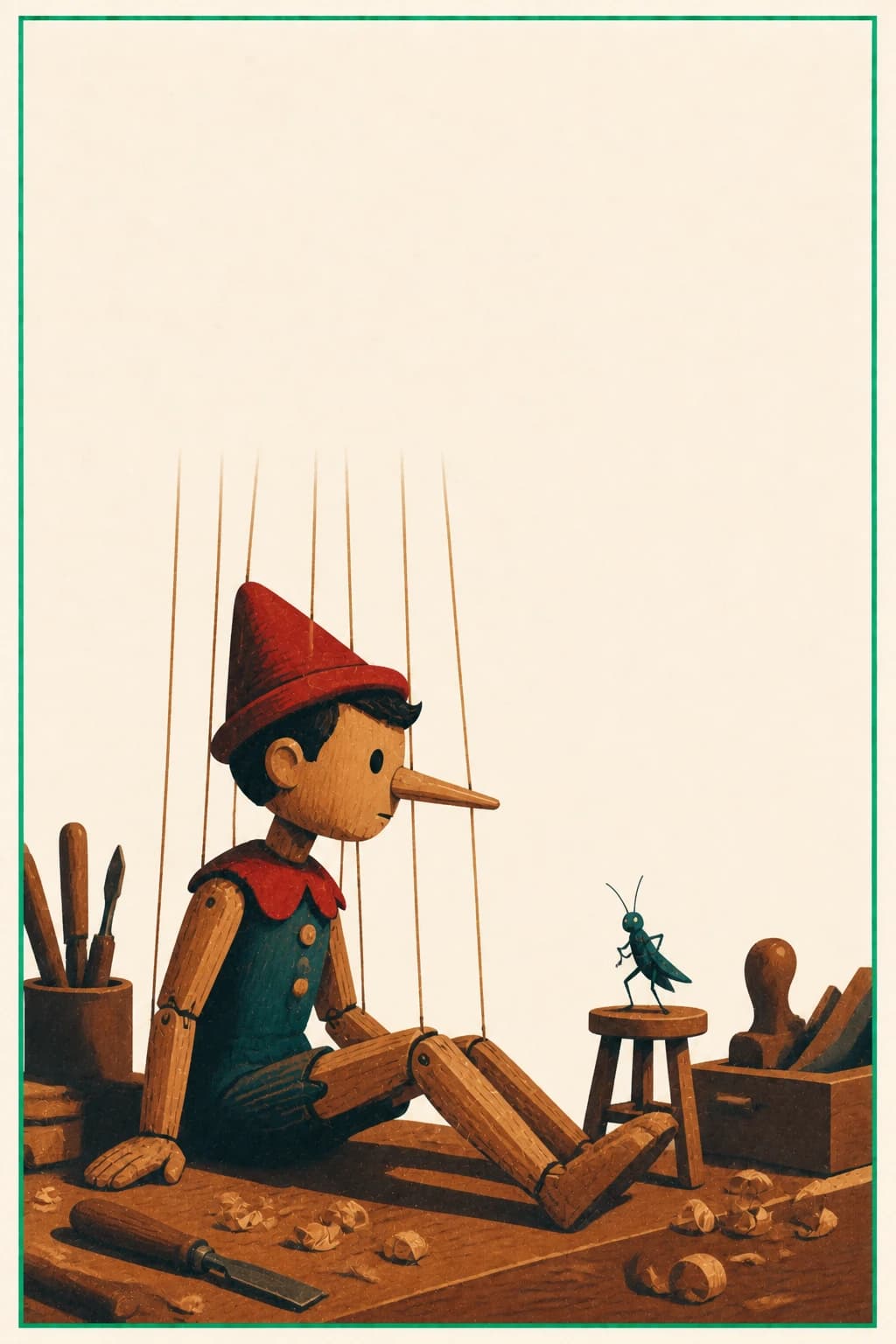
The Adventures of Pinocchio
Carlo Collodi
A wooden puppet comes to life and stumbles through an adventure of mischief and peril on his way to becoming a real boy.
$3.99 USD