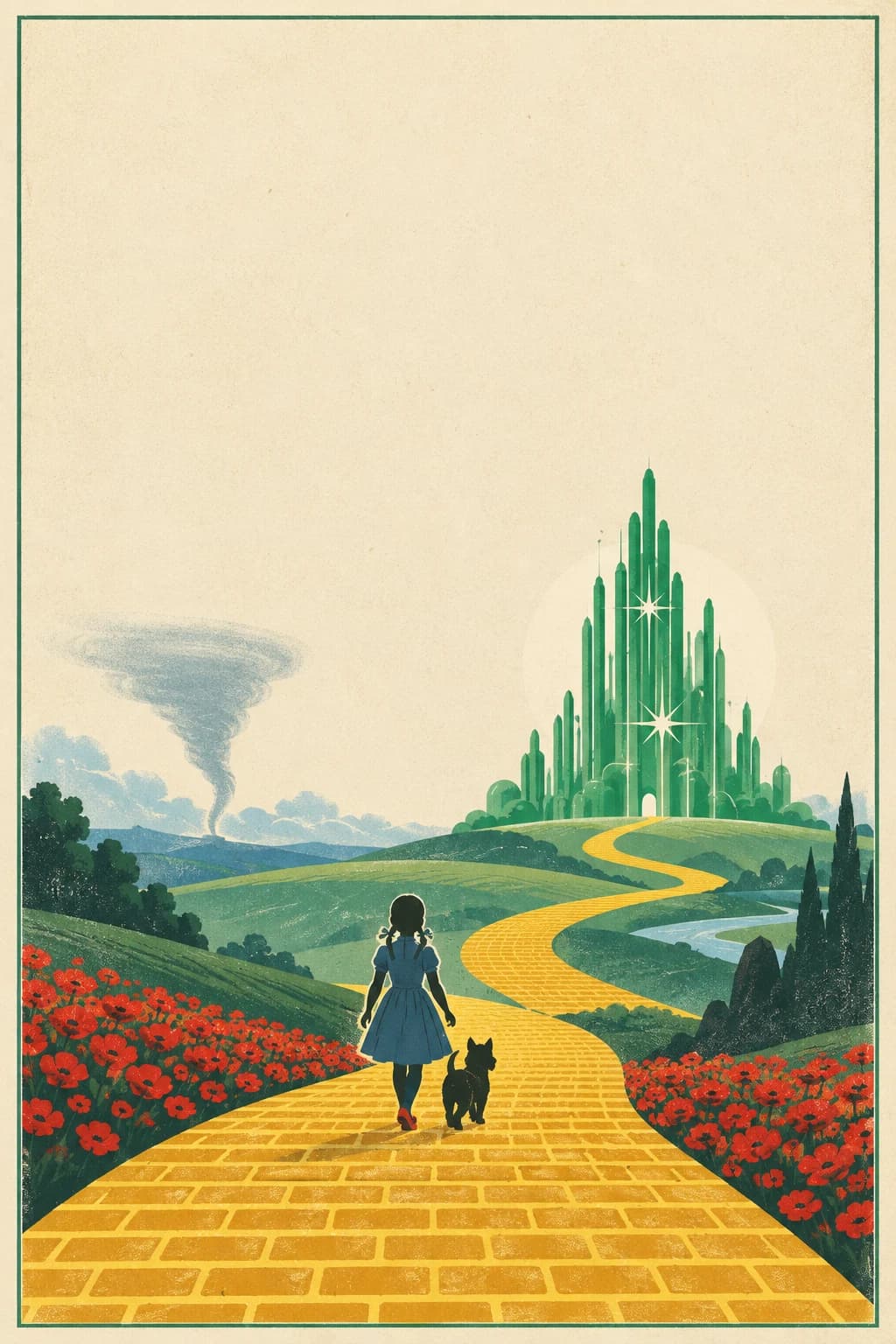
The Wonderful Wizard of Oz
por L. Frank Baum
Dorothy sigue el camino de baldosas amarillas con tres amigos inolvidables hasta el Mago de Oz. Esta edición bilingüe de "The Wonderful Wizard of Oz" de L. Frank Baum usa nuestro formato Side-by-Side para que la literatura clásica sea más accesible para estudiantes de idiomas. Lees en el idioma original y comparas la traducción al instante sin perder el ritmo de lectura.
Este libro esta actualmente en produccion.
Por ahora solo se puede reservar en preventa.
$3.99→$1.99
50% de descuento por preventa
The Wonderful Wizard of Oz · English → German · Side-by-Side
Pago seguro con Stripe. Las preventas se entregan cuando la produccion finaliza.
Lee una muestra bilingüe gratis
El comienzo de «The Wonderful Wizard of Oz» con la traducción alineada párrafo a párrafo — así se lee la edición completa.
Introduction Chapter I. The Cyclone Chapter II. The Council with the Munchkins Chapter III. How Dorothy Saved the Scarecrow Chapter IV. The Road Through the Forest Chapter V. The Rescue of the Tin Woodman Chapter VI. The Cowardly Lion Chapter VII. The Journey to the Great Oz Chapter VIII. The Deadly Poppy Field Chapter IX. The Queen of the Field Mice Chapter X. The Guardian of the Gates Chapter XI. The Emerald City of Oz Chapter XII. The Search for the Wicked Witch Chapter XIII. The Rescue Chapter XIV. The Winged Monkeys Chapter XV. The Discovery of Oz, the Terrible Chapter XVI. The Magic Art of the Great Humbug Chapter XVII. How the Balloon Was Launched Chapter XVIII. Away to the South Chapter XIX. Attacked by the Fighting Trees Chapter XX. The Dainty China Country Chapter XXI. The Lion Becomes the King of Beasts Chapter XXII. The Country of the Quadlings Chapter XXIII. Glinda The Good Witch Grants Dorothy’s Wish Chapter XXIV. Home Again
Introducción Capítulo I. El Ciclón Capítulo II. El Consejo con los Munchkins Capítulo III. Cómo Dorothy Salvó al Espantapájaros Capítulo IV. El Camino a Través del Bosque Capítulo V. El Rescate del Leñador de Hojalata Capítulo VI. El León Cobarde Capítulo VII. El Viaje al Gran Oz Capítulo VIII. El Mortal Campo de Amapolas Capítulo IX. La Reina de los Ratones de Campo Capítulo X. El Guardián de las Puertas Capítulo XI. La Ciudad Esmeralda de Oz Capítulo XII. La Búsqueda de la Bruja Mala Capítulo XIII. El Rescate Capítulo XIV. Los Monos Alados Capítulo XV. El Descubrimiento de Oz, el Terrible Capítulo XVI. El Arte Mágico del Gran Farsante Capítulo XVII. Cómo Se Lanzó el Globo Capítulo XVIII. Rumbo al Sur Capítulo XIX. Atacados por los Árboles Luchadores Capítulo XX. El Delicado País de Porcelana Capítulo XXI. El León Se Convierte en el Rey de las Bestias Capítulo XXII. El País de los Quadlings Capítulo XXIII. Glinda, la Bruja Buena, Cumple el Deseo de Dorothy Capítulo XXIV. De Vuelta a Casa
Folklore, legends, myths and fairy tales have followed childhood through the ages, for every healthy youngster has a wholesome and instinctive love for stories fantastic, marvelous and manifestly unreal. The winged fairies of Grimm and Andersen have brought more happiness to childish hearts than all other human creations.
El folclore, las leyendas, los mitos y los cuentos de hadas han acompañado a los niños durante toda la historia. Esto pasa porque todo niño sano ama, de forma natural, las historias fantásticas, maravillosas y claramente irreales. Las hadas aladas de Grimm y Andersen han dado más felicidad a los corazones de los niños que cualquier otra creación humana.
Yet the old time fairy tale, having served for generations, may now be classed as “historical” in the children’s library; for the time has come for a series of newer “wonder tales” in which the stereotyped genie, dwarf and fairy are eliminated, together with all the horrible and blood-curdling incidents devised by their authors to point a fearsome moral to each tale. Modern education includes morality; therefore the modern child seeks only entertainment in its wonder tales and gladly dispenses with all disagreeable incident.
Pero el cuento de hadas antiguo ha servido durante muchas generaciones. Ahora se le puede llamar “histórico” en la biblioteca de los niños. Ha llegado el momento de crear nuevos “cuentos maravillosos”. En estos cuentos nuevos no hay genios, enanos ni hadas típicos. Tampoco hay eventos horribles o que dan miedo, los cuales los autores antiguos usaban para enseñar una moraleja a cada cuento. La educación moderna ya enseña buenos valores. Por eso, el niño de hoy solo busca diversión en sus cuentos maravillosos, y no necesita ningún evento desagradable.
Having this thought in mind, the story of “The Wonderful Wizard of Oz” was written solely to please children of today. It aspires to being a modernized fairy tale, in which the wonderment and joy are retained and the heartaches and nightmares are left out.
Con esta idea en mente, la historia de “El Maravilloso Mago de Oz” fue escrita solo para hacer felices a los niños de hoy. Quiere ser un cuento de hadas moderno. En esta historia se mantienen la maravilla y la alegría, pero se dejan fuera las penas y las pesadillas.
Dorothy lived in the midst of the great Kansas prairies, with Uncle Henry, who was a farmer, and Aunt Em, who was the farmer’s wife. Their house was small, for the lumber to build it had to be carried by wagon many miles. There were four walls, a floor and a roof, which made one room; and this room contained a rusty looking cookstove, a cupboard for the dishes, a table, three or four chairs, and the beds. Uncle Henry and Aunt Em had a big bed in one corner, and Dorothy a little bed in another corner. There was no garret at all, and no cellar—except a small hole dug in the ground, called a cyclone cellar, where the family could go in case one of those great whirlwinds arose, mighty enough to crush any building in its path. It was reached by a trap door in the middle of the floor, from which a ladder led down into the small, dark hole.
Dorothy vivía en medio de las grandes praderas de Kansas, con el tío Henry, que era granjero, y la tía Em, la esposa del granjero. Su casa era pequeña, porque la madera para construirla tuvo que traerse en carreta desde muy lejos. La casa tenía cuatro paredes, un piso y un techo, y formaba un solo cuarto. En ese cuarto había una vieja estufa de cocina oxidada, un armario para los platos, una mesa, tres o cuatro sillas y las camas. El tío Henry y la tía Em tenían una cama grande en una esquina, y Dorothy tenía una cama pequeña en otra esquina. No había desván, y tampoco había sótano. Solo había un pequeño agujero en la tierra, llamado el sótano para ciclones. Allí podía entrar la familia si aparecía uno de esos grandes torbellinos, tan fuertes que podían destruir cualquier edificio en su camino. Se llegaba a este agujero por una trampilla en el medio del piso, desde donde una escalera bajaba hasta el pequeño y oscuro hueco.
When Dorothy stood in the doorway and looked around, she could see nothing but the great gray prairie on every side. Not a tree nor a house broke the broad sweep of flat country that reached to the edge of the sky in all directions. The sun had baked the plowed land into a gray mass, with little cracks running through it. Even the grass was not green, for the sun had burned the tops of the long blades until they were the same gray color to be seen everywhere. Once the house had been painted, but the sun blistered the paint and the rains washed it away, and now the house was as dull and gray as everything else.
Cuando Dorothy se paraba en la puerta y miraba a su alrededor, solo veía la gran pradera gris por todos lados. Ni un árbol ni una casa interrumpían la tierra plana, que llegaba hasta el borde del cielo en todas direcciones. El sol había secado la tierra arada y la había vuelto una masa gris, con pequeñas grietas. Ni siquiera el pasto era verde, porque el sol había quemado las puntas de las largas hojas hasta darles ese mismo color gris que se veía en todas partes. Antes, la casa había estado pintada, pero el sol había dañado la pintura y la lluvia la había lavado. Ahora la casa era tan opaca y gris como todo lo demás.
When Aunt Em came there to live she was a young, pretty wife. The sun and wind had changed her, too. They had taken the sparkle from her eyes and left them a sober gray; they had taken the red from her cheeks and lips, and they were gray also. She was thin and gaunt, and never smiled now. When Dorothy, who was an orphan, first came to her, Aunt Em had been so startled by the child’s laughter that she would scream and press her hand upon her heart whenever Dorothy’s merry voice reached her ears; and she still looked at the little girl with wonder that she could find anything to laugh at.
Cuando la tía Em llegó a vivir allí, era una esposa joven y bonita. El sol y el viento también la habían cambiado a ella. Le habían quitado el brillo de los ojos, dejándolos de un gris apagado. Le habían quitado el color rojo de las mejillas y los labios, que ahora también eran grises. Ella era delgada y flaca, y ya nunca sonreía. Dorothy era huérfana, y cuando llegó a vivir con su tía por primera vez, la risa de la niña sorprendía tanto a la tía Em que gritaba y se ponía la mano en el pecho cada vez que escuchaba la voz alegre de Dorothy. Todavía miraba a la niña con asombro, sin entender cómo podía encontrar algo de qué reírse.
Uncle Henry never laughed. He worked hard from morning till night and did not know what joy was. He was gray also, from his long beard to his rough boots, and he looked stern and solemn, and rarely spoke.
El tío Henry nunca se reía. Trabajaba mucho desde la mañana hasta la noche y no sabía lo que era la alegría. Él también era gris, desde su larga barba hasta sus botas ásperas. Se veía serio y severo, y casi nunca hablaba.
It was Toto that made Dorothy laugh, and saved her from growing as gray as her other surroundings. Toto was not gray; he was a little black dog, with long silky hair and small black eyes that twinkled merrily on either side of his funny, wee nose. Toto played all day long, and Dorothy played with him, and loved him dearly.
Era Toto quien hacía reír a Dorothy, y la salvaba de volverse tan gris como todo lo que la rodeaba. Toto no era gris. Era un perrito negro, con pelo largo y suave, y ojitos negros que brillaban alegres a los lados de su pequeña y graciosa nariz. Toto jugaba todo el día, y Dorothy jugaba con él, y lo quería mucho.
Today, however, they were not playing. Uncle Henry sat upon the doorstep and looked anxiously at the sky, which was even grayer than usual. Dorothy stood in the door with Toto in her arms, and looked at the sky too. Aunt Em was washing the dishes.
Sin embargo, hoy no estaban jugando. El tío Henry estaba sentado en la puerta y miraba el cielo con preocupación, porque estaba aún más gris de lo normal. Dorothy estaba de pie en la puerta con Toto en los brazos, y también miraba el cielo. La tía Em estaba lavando los platos.
From the far north they heard a low wail of the wind, and Uncle Henry and Dorothy could see where the long grass bowed in waves before the coming storm. There now came a sharp whistling in the air from the south, and as they turned their eyes that way they saw ripples in the grass coming from that direction also.
Desde el lejano norte se oía un lamento bajo del viento, y el tío Henry y Dorothy podían ver cómo el pasto largo se doblaba en olas antes de la tormenta. Entonces llegó un silbido agudo desde el sur, y cuando miraron hacia allá, vieron que el pasto también se movía en ondas desde esa dirección.
La edición completa contiene el texto íntegro en ambos diseños (dos columnas y por párrafos) en EPUB y PDF.
Qué incluye esta edición
Texto íntegro, traducción alineada frase a frase, archivos EPUB y PDF, y diseños en paralelo y por párrafos. Entrega digital; no se envía ningún artículo físico.
Precios sencillos según el tamaño en USD: $1.99, $3.99 o $5.99. Ambos diseños cuestan lo mismo; la disponibilidad depende del par de idiomas y del formato.
¿Es adecuado para ti?
Principiante · unas 159 páginas. Lee la muestra alineada gratuita: si entiendes la mayor parte del original antes de mirar la traducción, el nivel es adecuado.
Principiante · A2–B1 →Combinaciones de idiomas
Sigue leyendo
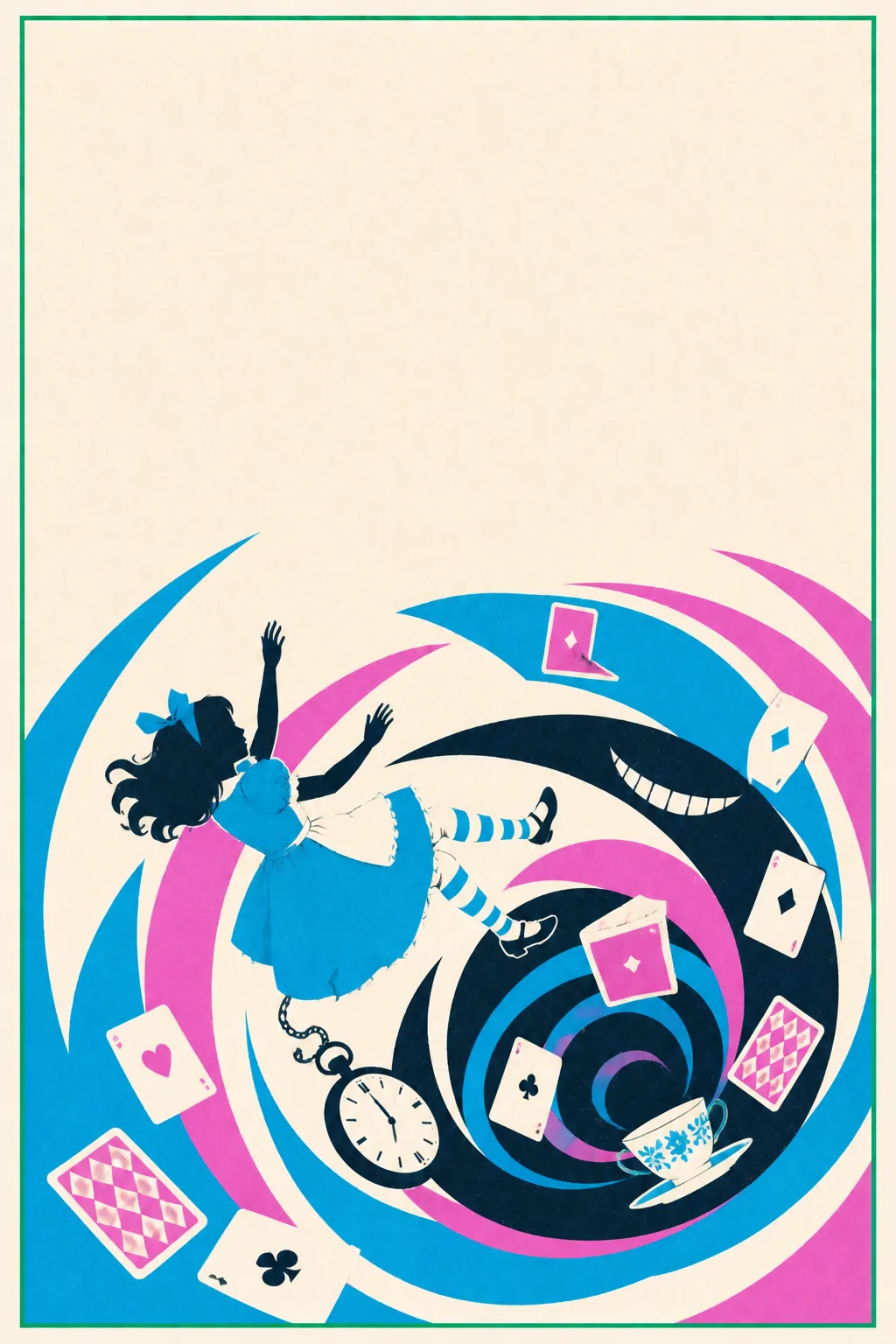
Alice's Adventures in Wonderland
Lewis Carroll
Una niña curiosa cae por la madriguera de un conejo a un mundo disparatado de criaturas parlantes y lógica descabellada.
$1.99 USD
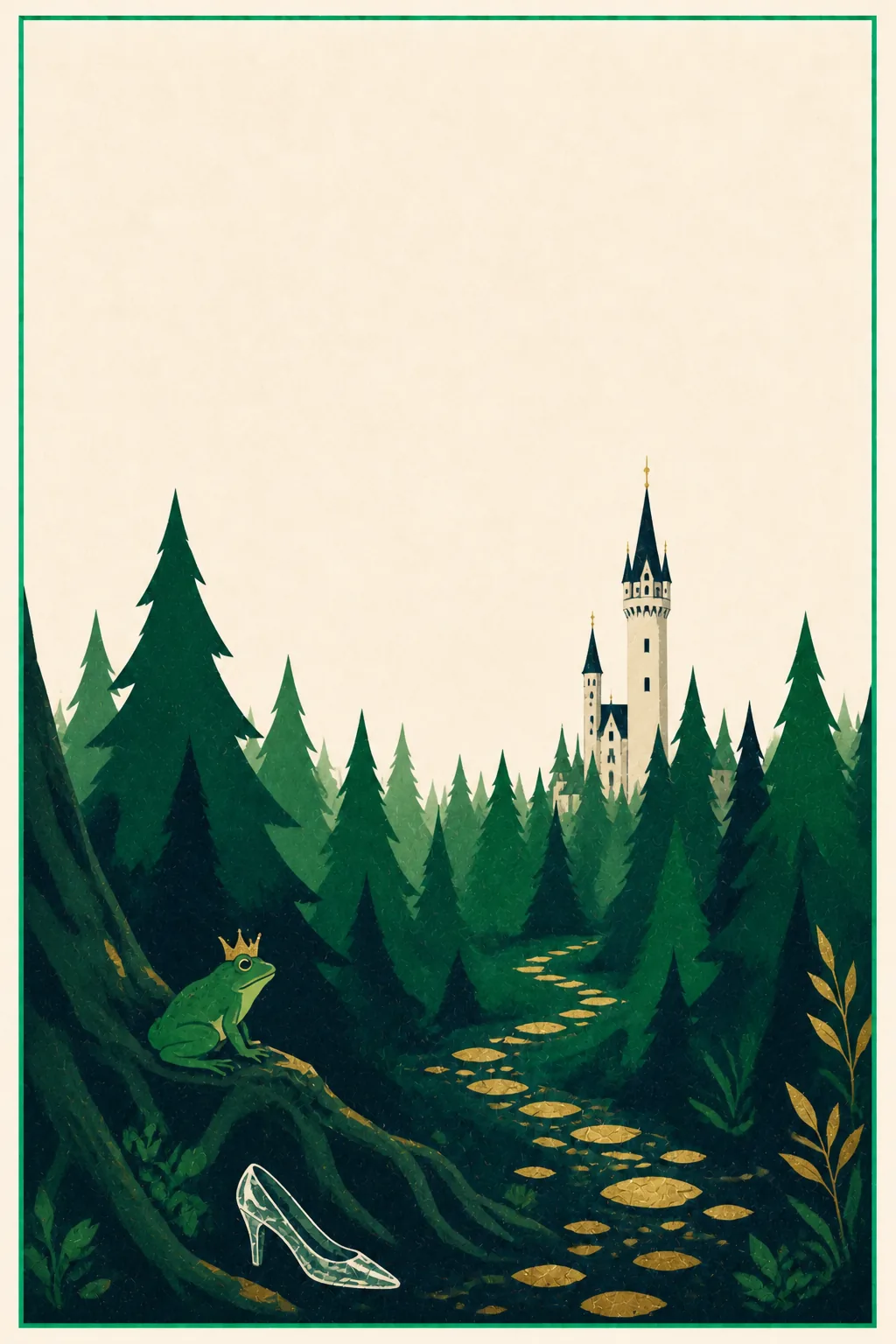
Grimm's Fairy Tales
Jacob & Wilhelm Grimm
Los clásicos cuentos de hadas alemanes, Cenicienta, Hansel y Gretel, Rapunzel y más, en una selección bilingüe.
$3.99 USD
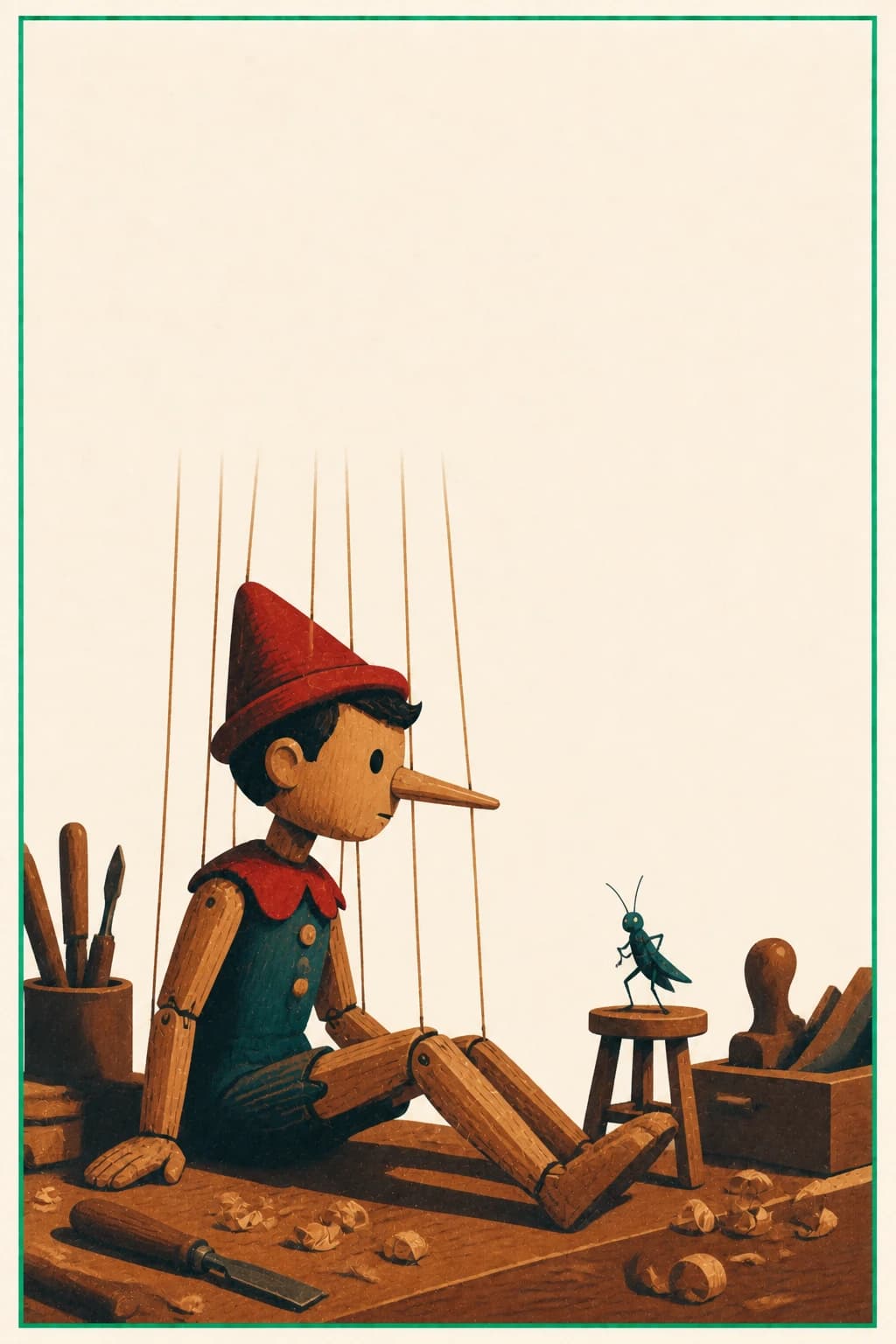
The Adventures of Pinocchio
Carlo Collodi
Una marioneta de madera cobra vida y tropieza en una aventura llena de travesuras y peligros, en su camino para convertirse en un niño de verdad.
$3.99 USD