Aesop's Fables
por Aesop
Breves fábulas de animales ofrecen lecciones memorables sobre la naturaleza humana. Esta edición bilingüe de "Aesop's Fables" de Aesop usa nuestro formato Side-by-Side para que la literatura clásica sea más accesible para estudiantes de idiomas. Lees en el idioma original y comparas la traducción al instante sin perder el ritmo de lectura.
Este libro esta actualmente en produccion.
Por ahora solo se puede reservar en preventa.
$1.99→$1.00
50% de descuento por preventa
Aesop's Fables · English → German · Side-by-Side
Pago seguro con Stripe. Las preventas se entregan cuando la produccion finaliza.
Lee una muestra bilingüe gratis
El comienzo de «Aesop's Fables» con la traducción alineada párrafo a párrafo — así se lee la edición completa.
The Lion And The Mouse
El león y el ratón
A LION was awakened from sleep by a Mouse running over his face. Rising up angrily, he caught him and was about to kill him, when the Mouse piteously entreated, saying: “If you would only spare my life, I would be sure to repay your kindness.” The Lion laughed and let him go. It happened shortly after this that the Lion was caught by some hunters, who bound him by strong ropes to the ground. The Mouse, recognizing his roar, came and gnawed the rope with his teeth, and set him free, exclaiming:
Un león dormía. Un ratón corrió sobre su cara y el león se despertó. El león se enfadó mucho. Cogió al ratón. Quería matarlo. El ratón le pidió ayuda con tristeza. El ratón dijo: “Por favor, no me mates. Si me dejas vivir, yo te ayudaré algún día.” El león se rió. Dejó libre al ratón. Poco después, unos cazadores atraparon al león. Ataron al león al suelo con cuerdas fuertes. El ratón oyó el rugido del león. El ratón reconoció la voz del león. El ratón fue allí. Rompió la cuerda con los dientes. El león quedó libre. Entonces el ratón dijo:
“You ridiculed the idea of my ever being able to help you, not expecting to receive from me any repayment of your favour; now you know that it is possible for even a Mouse to confer benefits on a Lion.”
“Antes te reíste de mí. No creías que yo podía ayudarte algún día. No esperabas nada de mí. Ahora ya sabes la verdad. Un ratón también puede ayudar a un león.”
WOLF, meeting with a Lamb astray from the fold, resolved not to lay violent hands on him, but to find some plea to justify to the Lamb the Wolf’s right to eat him. He thus addressed him: “Sirrah, last year you grossly insulted me.” “Indeed,” bleated the Lamb in a mournful tone of voice, “I was not then born.” Then said the Wolf, “You feed in my pasture.” “No, good sir,” replied the Lamb, “I have not yet tasted grass.” Again said the Wolf, “You drink of my well.” “No,” exclaimed the Lamb, “I never yet drank water, for as yet my mother’s milk is both food and drink to me.” Upon which the Wolf seized him and ate him up, saying, “Well! I won’t remain supperless, even though you refute every one of my imputations.” The tyrant will always find a pretext for his tyranny.
Un lobo encontró a un cordero. El cordero estaba lejos de su grupo. El lobo no quería atacarlo sin una razón. El lobo quería encontrar una excusa. Con esa excusa, el lobo podía comerse al cordero. El lobo dijo: “Oye, el año pasado me insultaste mucho.” El cordero contestó triste: “Eso es imposible. Yo no había nacido todavía.” El lobo dijo: “Comes en mi campo.” El cordero respondió: “No, señor. Todavía no he comido hierba.” El lobo dijo otra vez: “Bebes de mi pozo.” El cordero exclamó: “No. Nunca he bebido agua. Yo solo bebo la leche de mi madre.” Entonces el lobo agarró al cordero. El lobo se lo comió. El lobo dijo: “Bueno, no me quedaré sin cena, aunque tus respuestas sean buenas.” Un tirano siempre encuentra una excusa para su maldad.
AN ASS having heard some Grasshoppers chirping, was highly enchanted; and, desiring to possess the same charms of melody, demanded what sort of food they lived on to give them such beautiful voices. They replied, “The dew.” The Ass resolved that he would live only upon dew, and in a short time died of hunger.
Un burro oyó cantar a unos saltamontes. Le gustó mucho su canción. El burro quería cantar tan bien como ellos. El burro preguntó: “¿Qué coméis para tener una voz tan bonita?” Los saltamontes contestaron: “Comemos rocío.” El burro decidió comer solo rocío. Poco después, el burro murió de hambre.
A WOLF who had a bone stuck in his throat hired a Crane, for a large sum, to put her head into his mouth and draw out the bone. When the Crane had extracted the bone and demanded the promised payment, the Wolf, grinning and grinding his teeth, exclaimed: “Why, you have surely already had a sufficient recompense, in having been permitted to draw out your head in safety from the mouth and jaws of a wolf.”
Un lobo tenía un hueso atascado en la garganta. El lobo pagó mucho dinero a una grulla. La grulla metió la cabeza en la boca del lobo. La grulla sacó el hueso. Después, la grulla pidió el dinero prometido. El lobo sonrió y enseñó los dientes. El lobo dijo: “Ya tienes suficiente pago. Sacaste tu cabeza de mi boca sin problemas. Eso ya es un buen premio.”
In serving the wicked, expect no reward, and be thankful if you escape injury for your pains.
Si ayudas a una persona mala, no esperes ningún premio. Da gracias si no sales herido.
A FATHER had a family of sons who were perpetually quarreling among themselves. When he failed to heal their disputes by his exhortations, he determined to give them a practical illustration of the evils of disunion; and for this purpose he one day told them to bring him a bundle of sticks. When they had done so, he placed the faggot into the hands of each of them in succession, and ordered them to break it in pieces. They tried with all their strength, and were not able to do it. He next opened the faggot, took the sticks separately, one by one, and again put them into his sons’ hands, upon which they broke them easily. He then addressed them in these words: “My sons, if you are of one mind, and unite to assist each other, you will be as this faggot, uninjured by all the attempts of your enemies; but if you are divided among yourselves, you will be broken as easily as these sticks.”
Un padre tenía varios hijos. Sus hijos siempre peleaban entre ellos. El padre les hablaba, pero no podía parar las peleas. Un día, el padre tuvo una idea. Quería enseñarles algo importante. Les pidió traer un montón de palos. Los hijos trajeron los palos. El padre ató los palos juntos. El padre dio el montón de palos a cada hijo. El padre dijo: “Rompe esto.” Cada hijo intentó romper el montón con toda su fuerza. Ninguno pudo hacerlo. Entonces el padre abrió el montón. El padre separó los palos. El padre dio un palo a cada hijo. Los hijos rompieron los palos fácilmente. El padre les dijo: “Hijos míos, escuchad. Si estáis unidos y os ayudáis, seréis fuertes como este montón de palos. Vuestros enemigos no podrán haceros daño. Pero si estáis separados, seréis débiles. Os romperán fácilmente, como estos palos.”
A BAT who fell upon the ground and was caught by a Weasel pleaded to be spared his life. The Weasel refused, saying that he was by nature the enemy of all birds. The Bat assured him that he was not a bird, but a mouse, and thus was set free. Shortly afterwards the Bat again fell to the ground and was caught by another Weasel, whom he likewise entreated not to eat him. The Weasel said that he had a special hostility to mice. The Bat assured him that he was not a mouse, but a bat, and thus a second time escaped.
Un murciélago cayó al suelo. Una comadreja atrapó al murciélago. El murciélago pidió que no lo mataran. La comadreja dijo que no. La comadreja dijo: “Yo soy enemiga de todos los pájaros.” El murciélago dijo: “Yo no soy un pájaro. Yo soy un ratón.” La comadreja lo dejó libre. Poco después, el murciélago cayó otra vez al suelo. Otra comadreja lo atrapó. El murciélago pidió otra vez que no lo comiera. Esta comadreja dijo: “Yo odio mucho a los ratones.” El murciélago dijo: “Yo no soy un ratón. Yo soy un murciélago.” Y así escapó otra vez.
A COCK, scratching for food for himself and his hens, found a precious stone and exclaimed: “If your owner had found thee, and not I, he would have taken thee up, and have set thee in thy first estate; but I have found thee for no purpose. I would rather have one barleycorn than all the jewels in the world.”
Un gallo buscaba comida en la tierra para él y sus gallinas. El gallo encontró una piedra preciosa. El gallo dijo: “Si tu dueño te hubiera encontrado, te habría llevado con él. Pero yo te encontré y no me sirves para nada. Yo prefiero un grano de cebada a todas las joyas del mundo.”
THE SWALLOW and the Crow had a contention about their plumage. The Crow put an end to the dispute by saying, “Your feathers are all very well in the spring, but mine protect me against the winter.”
La golondrina y el cuervo tuvieron una discusión. Hablaban sobre sus plumas. El cuervo terminó la discusión. El cuervo dijo: “Tus plumas son bonitas en primavera. Pero mis plumas me protegen en invierno.”
THE BEASTS of the field and forest had a Lion as their king. He was neither wrathful, cruel, nor tyrannical, but just and gentle as a king could be. During his reign he made a royal proclamation for a general assembly of all the birds and beasts, and drew up conditions for a universal league, in which the Wolf and the Lamb, the Panther and the Kid, the Tiger and the Stag, the Dog and the Hare, should live together in perfect peace and amity. The Hare said, “Oh, how I have longed to see this day, in which the weak shall take their place with impunity by the side of the strong.” And after the Hare said this, he ran for his life.
Los animales del campo y del bosque tenían un león como rey. El león no era malo ni cruel. El león era justo y amable. Era un buen rey. Un día, el rey hizo un anuncio importante. Llamó a todos los pájaros y animales a una reunión. El rey quería hacer un acuerdo de paz para todos. En este acuerdo, el lobo y el cordero podían vivir juntos en paz. La pantera y la cabrita también podían vivir juntos. El tigre y el ciervo, el perro y la liebre, todos podían vivir en paz y amistad. La liebre dijo: “Por fin ha llegado este día. Ahora los débiles pueden estar junto a los fuertes sin peligro.” Después de decir esto, la liebre corrió muy rápido para salvar su vida.
La edición completa contiene el texto íntegro en ambos diseños (dos columnas y por párrafos) en EPUB y PDF.
Qué incluye esta edición
Texto íntegro, traducción alineada frase a frase, archivos EPUB y PDF, y diseños en paralelo y por párrafos. Entrega digital; no se envía ningún artículo físico.
Precios sencillos según el tamaño en USD: $1.99, $3.99 o $5.99. Ambos diseños cuestan lo mismo; la disponibilidad depende del par de idiomas y del formato.
¿Es adecuado para ti?
Principiante · unas 143 páginas. Lee la muestra alineada gratuita: si entiendes la mayor parte del original antes de mirar la traducción, el nivel es adecuado.
Principiante · A2–B1 →Combinaciones de idiomas
Sigue leyendo
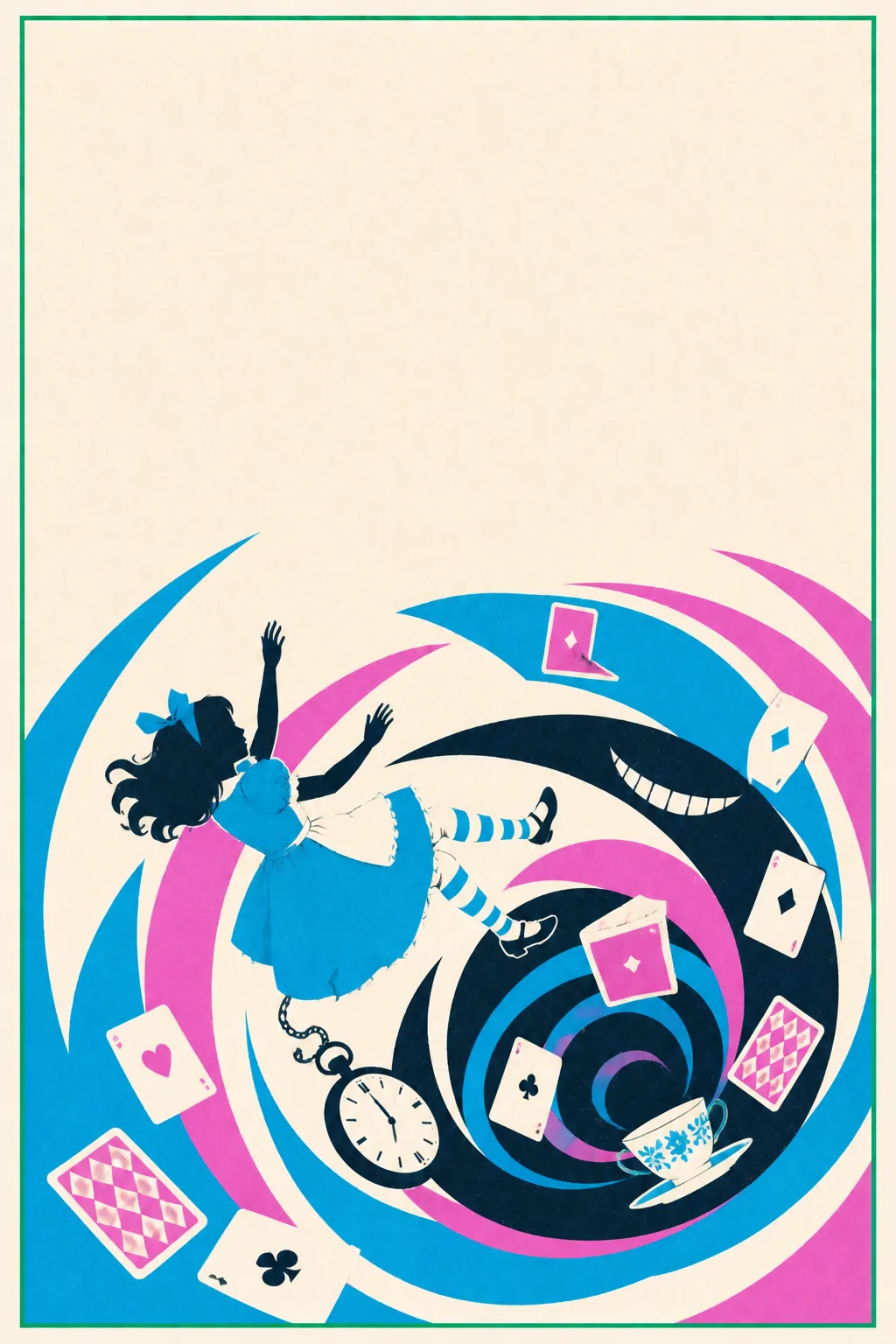
Alice's Adventures in Wonderland
Lewis Carroll
Una niña curiosa cae por la madriguera de un conejo a un mundo disparatado de criaturas parlantes y lógica descabellada.
$1.99 USD
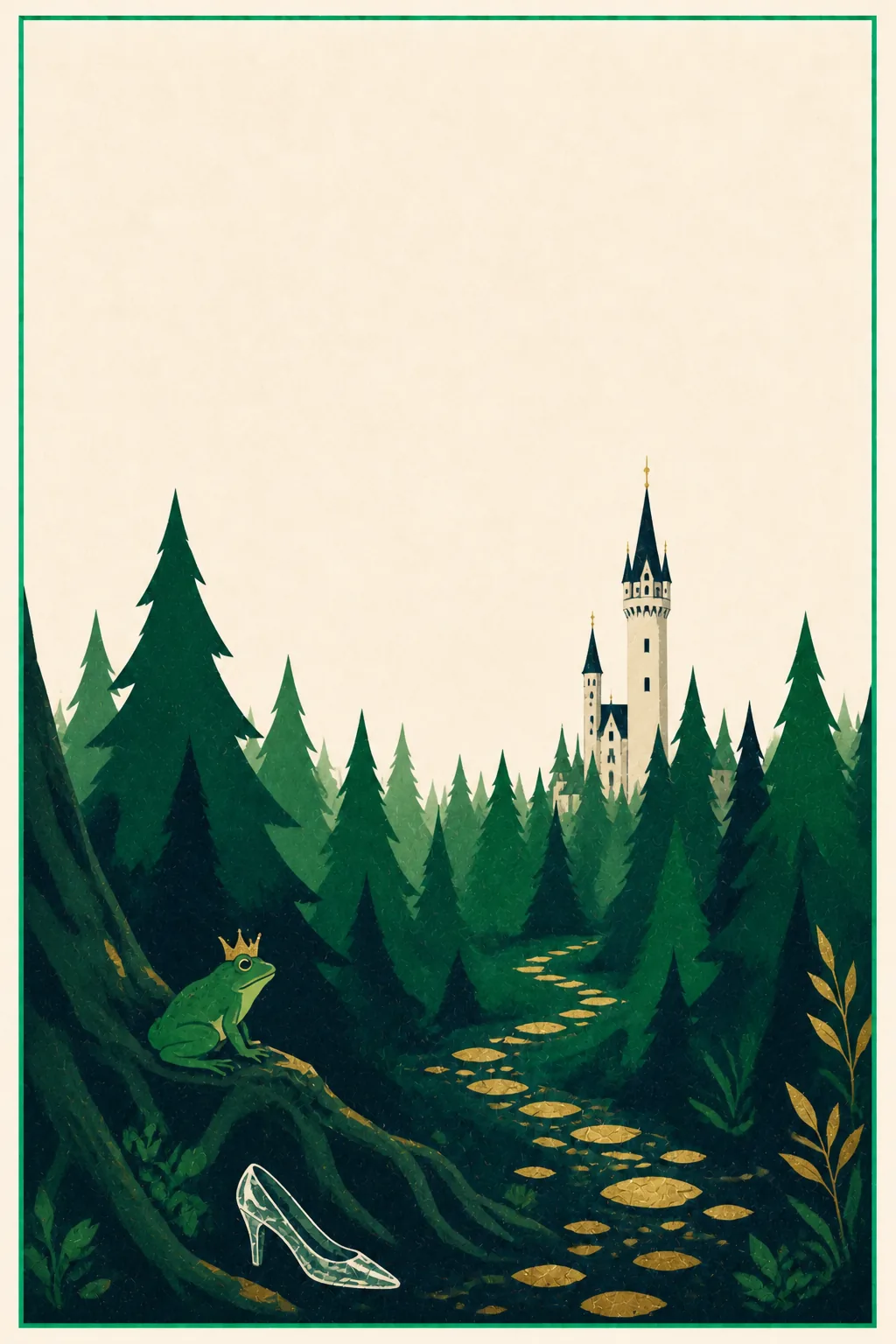
Grimm's Fairy Tales
Jacob & Wilhelm Grimm
Los clásicos cuentos de hadas alemanes, Cenicienta, Hansel y Gretel, Rapunzel y más, en una selección bilingüe.
$3.99 USD
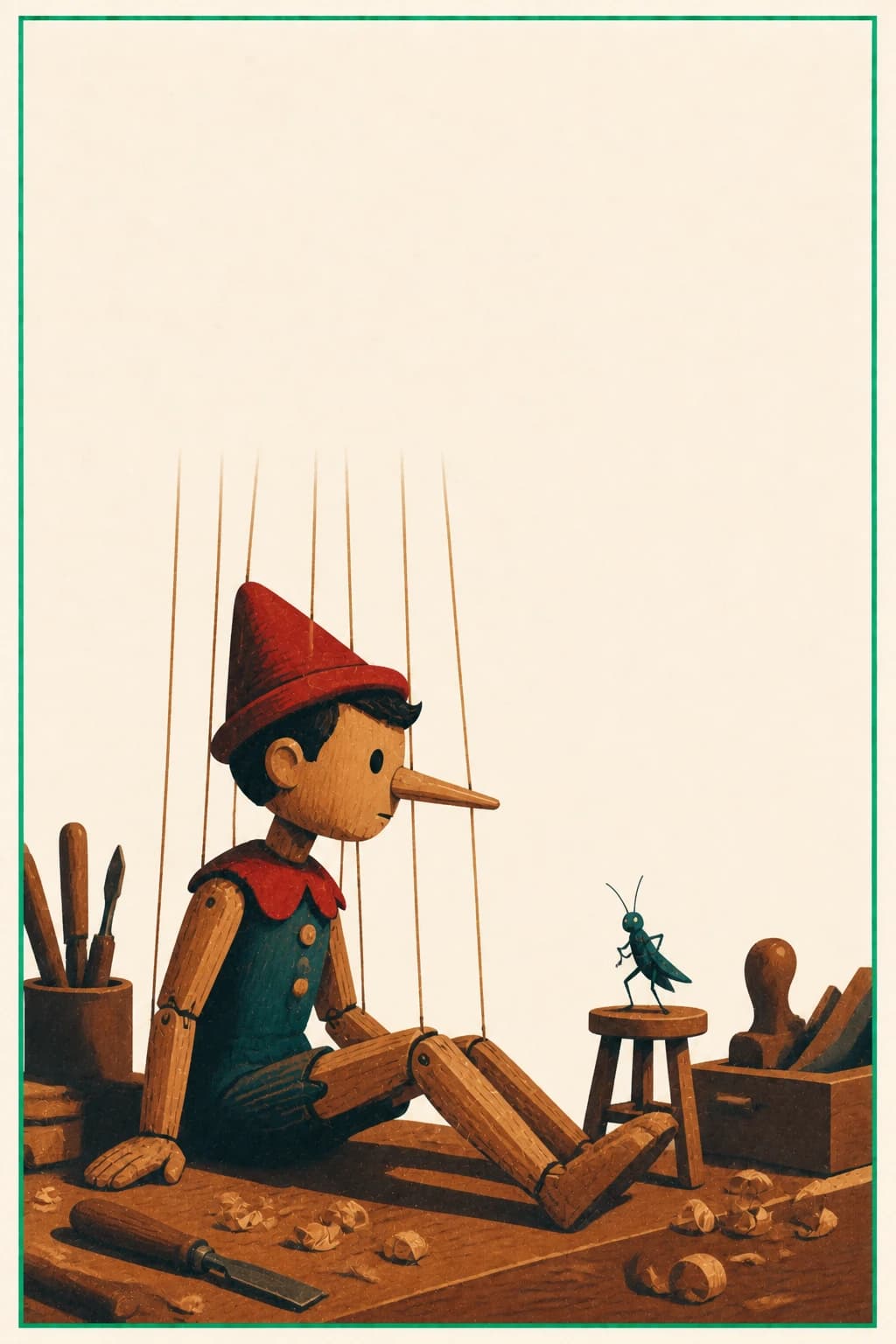
The Adventures of Pinocchio
Carlo Collodi
Una marioneta de madera cobra vida y tropieza en una aventura llena de travesuras y peligros, en su camino para convertirse en un niño de verdad.
$3.99 USD