The Jungle Book
por Rudyard Kipling
Mowgli aprende la Ley de la Selva entre lobos, Baloo y Bagheera. Esta edición bilingüe de "The Jungle Book" de Rudyard Kipling usa nuestro formato Side-by-Side para que la literatura clásica sea más accesible para estudiantes de idiomas. Lees en el idioma original y comparas la traducción al instante sin perder el ritmo de lectura.
Este libro esta actualmente en produccion.
Por ahora solo se puede reservar en preventa.
$3.99→$1.99
50% de descuento por preventa
The Jungle Book · English → German · Side-by-Side
Pago seguro con Stripe. Las preventas se entregan cuando la produccion finaliza.
Lee una muestra bilingüe gratis
El comienzo de «The Jungle Book» con la traducción alineada párrafo a párrafo — así se lee la edición completa.
Now Rann the Kite brings home the night That Mang the Bat sets free-- The herds are shut in byre and hut For loosed till dawn are we. This is the hour of pride and power, Talon and tush and claw. Oh, hear the call!--Good hunting all That keep the Jungle Law! _Night-Song in the Jungle_
Ahora Rann el Milano trae la noche que Mang el Murciélago deja libre-- Los rebaños están cerrados en el establo y la cabaña, porque nosotros somos libres hasta el amanecer. Esta es la hora del orgullo y el poder, de la garra, el colmillo y la uña. ¡Escuchen la llamada! ¡Buena caza a todos los que siguen la Ley de la Selva! _Canción nocturna de la selva_
It was seven o’clock of a very warm evening in the Seeonee hills when Father Wolf woke up from his day’s rest, scratched himself, yawned, and spread out his paws one after the other to get rid of the sleepy feeling in their tips. Mother Wolf lay with her big gray nose dropped across her four tumbling, squealing cubs, and the moon shone into the mouth of the cave where they all lived. “Augrh!” said Father Wolf. “It is time to hunt again.” He was going to spring down hill when a little shadow with a bushy tail crossed the threshold and whined: “Good luck go with you, O Chief of the Wolves. And good luck and strong white teeth go with noble children that they may never forget the hungry in this world.”
Eran las siete de una tarde muy calurosa en las colinas de Seeonee. El Padre Lobo se despertó de su descanso diario, se rascó, bostezó y estiró las patas una por una para quitarse el sueño de las puntas. La Madre Loba estaba tumbada con su gran hocico gris sobre sus cuatro cachorros, que rodaban y chillaban, y la luna brillaba en la entrada de la cueva donde vivían todos. «¡Augrh!», dijo el Padre Lobo. «Es hora de cazar otra vez.» Iba a saltar cuesta abajo cuando una pequeña sombra de cola tupida cruzó la entrada y gimió: «Que tengas buena suerte, oh Jefe de los Lobos. Y que la buena suerte y dientes blancos y fuertes acompañen a tus nobles hijos, para que nunca olviden lo que es tener hambre en este mundo.»
It was the jackal--Tabaqui, the Dish-licker--and the wolves of India despise Tabaqui because he runs about making mischief, and telling tales, and eating rags and pieces of leather from the village rubbish-heaps. But they are afraid of him too, because Tabaqui, more than anyone else in the jungle, is apt to go mad, and then he forgets that he was ever afraid of anyone, and runs through the forest biting everything in his way. Even the tiger runs and hides when little Tabaqui goes mad, for madness is the most disgraceful thing that can overtake a wild creature. We call it hydrophobia, but they call it dewanee--the madness--and run.
Era el chacal, Tabaqui, el Lame-Platos. Los lobos de la India desprecian a Tabaqui porque va por ahí causando problemas, contando chismes y comiendo trapos y trozos de cuero de los basureros del pueblo. Pero también le tienen miedo, porque Tabaqui, más que ningún otro animal de la selva, puede volverse loco fácilmente. Cuando eso pasa, olvida que alguna vez tuvo miedo de alguien y corre por el bosque mordiendo todo lo que encuentra. Incluso el tigre corre a esconderse cuando el pequeño Tabaqui se vuelve loco, porque la locura es lo más vergonzoso que le puede pasar a un animal salvaje. Nosotros la llamamos rabia, pero ellos la llaman dewanee —la locura— y huyen.
“Enter, then, and look,” said Father Wolf stiffly, “but there is no food here.”
«Entra, entonces, y mira», dijo el Padre Lobo con frialdad, «pero aquí no hay comida.»
“For a wolf, no,” said Tabaqui, “but for so mean a person as myself a dry bone is a good feast. Who are we, the Gidur-log [the jackal people], to pick and choose?” He scuttled to the back of the cave, where he found the bone of a buck with some meat on it, and sat cracking the end merrily.
«Para un lobo, no», dijo Tabaqui, «pero para alguien tan humilde como yo, un hueso seco ya es un buen banquete. ¿Quiénes somos nosotros, el pueblo de los chacales, para elegir?» Corrió hacia el fondo de la cueva, donde encontró el hueso de un ciervo con algo de carne, y se sentó a roer el extremo alegremente.
“All thanks for this good meal,” he said, licking his lips. “How beautiful are the noble children! How large are their eyes! And so young too! Indeed, indeed, I might have remembered that the children of kings are men from the beginning.”
«Muchas gracias por esta buena comida», dijo, lamiéndose los labios. «¡Qué hermosos son los nobles niños! ¡Qué grandes son sus ojos! ¡Y tan jóvenes! De verdad, debería haber recordado que los hijos de los reyes son hombres desde que nacen.»
Now, Tabaqui knew as well as anyone else that there is nothing so unlucky as to compliment children to their faces. It pleased him to see Mother and Father Wolf look uncomfortable.
Tabaqui sabía tan bien como cualquiera que no hay nada que traiga tan mala suerte como elogiar a los niños en su cara. Le gustaba ver incómodos al Padre y a la Madre Loba.
Tabaqui sat still, rejoicing in the mischief that he had made, and then he said spitefully:
Tabaqui se quedó quieto, disfrutando del problema que había causado, y luego dijo con maldad:
“Shere Khan, the Big One, has shifted his hunting grounds. He will hunt among these hills for the next moon, so he has told me.”
«Shere Khan, el Grande, ha cambiado su territorio de caza. Cazará en estas colinas durante la próxima luna; eso es lo que me ha dicho.»
Shere Khan was the tiger who lived near the Waingunga River, twenty miles away.
Shere Khan era el tigre que vivía cerca del río Waingunga, a veinte millas de distancia.
“He has no right!” Father Wolf began angrily--“By the Law of the Jungle he has no right to change his quarters without due warning. He will frighten every head of game within ten miles, and I--I have to kill for two, these days.”
«¡No tiene derecho!», comenzó a decir el Padre Lobo, enojado. «Según la Ley de la Selva, no tiene derecho a cambiar de territorio sin avisar antes. Asustará a todos los animales de caza en diez millas a la redonda, y yo... yo tengo que cazar para dos, estos días.»
“His mother did not call him Lungri [the Lame One] for nothing,” said Mother Wolf quietly. “He has been lame in one foot from his birth. That is why he has only killed cattle. Now the villagers of the Waingunga are angry with him, and he has come here to make our villagers angry. They will scour the jungle for him when he is far away, and we and our children must run when the grass is set alight. Indeed, we are very grateful to Shere Khan!”
«Su madre no lo llamó Lungri, el Cojo, por nada», dijo la Madre Loba con calma. «Ha sido cojo de una pata desde que nació. Por eso solo ha matado ganado. Ahora los aldeanos del Waingunga están enfadados con él, y ha venido aquí para enfadar también a nuestros aldeanos. Ellos buscarán por toda la selva cuando él ya esté lejos, y nosotros y nuestros hijos tendremos que huir cuando prendan fuego a la hierba. ¡De verdad, le estamos muy agradecidos a Shere Khan!»
La edición completa contiene el texto íntegro en ambos diseños (dos columnas y por párrafos) en EPUB y PDF.
Qué incluye esta edición
Texto íntegro, traducción alineada frase a frase, archivos EPUB y PDF, y diseños en paralelo y por párrafos. Entrega digital; no se envía ningún artículo físico.
Precios sencillos según el tamaño en USD: $1.99, $3.99 o $5.99. Ambos diseños cuestan lo mismo; la disponibilidad depende del par de idiomas y del formato.
¿Es adecuado para ti?
Principiante · unas 203 páginas. Lee la muestra alineada gratuita: si entiendes la mayor parte del original antes de mirar la traducción, el nivel es adecuado.
Principiante · A2–B1 →Combinaciones de idiomas
Sigue leyendo
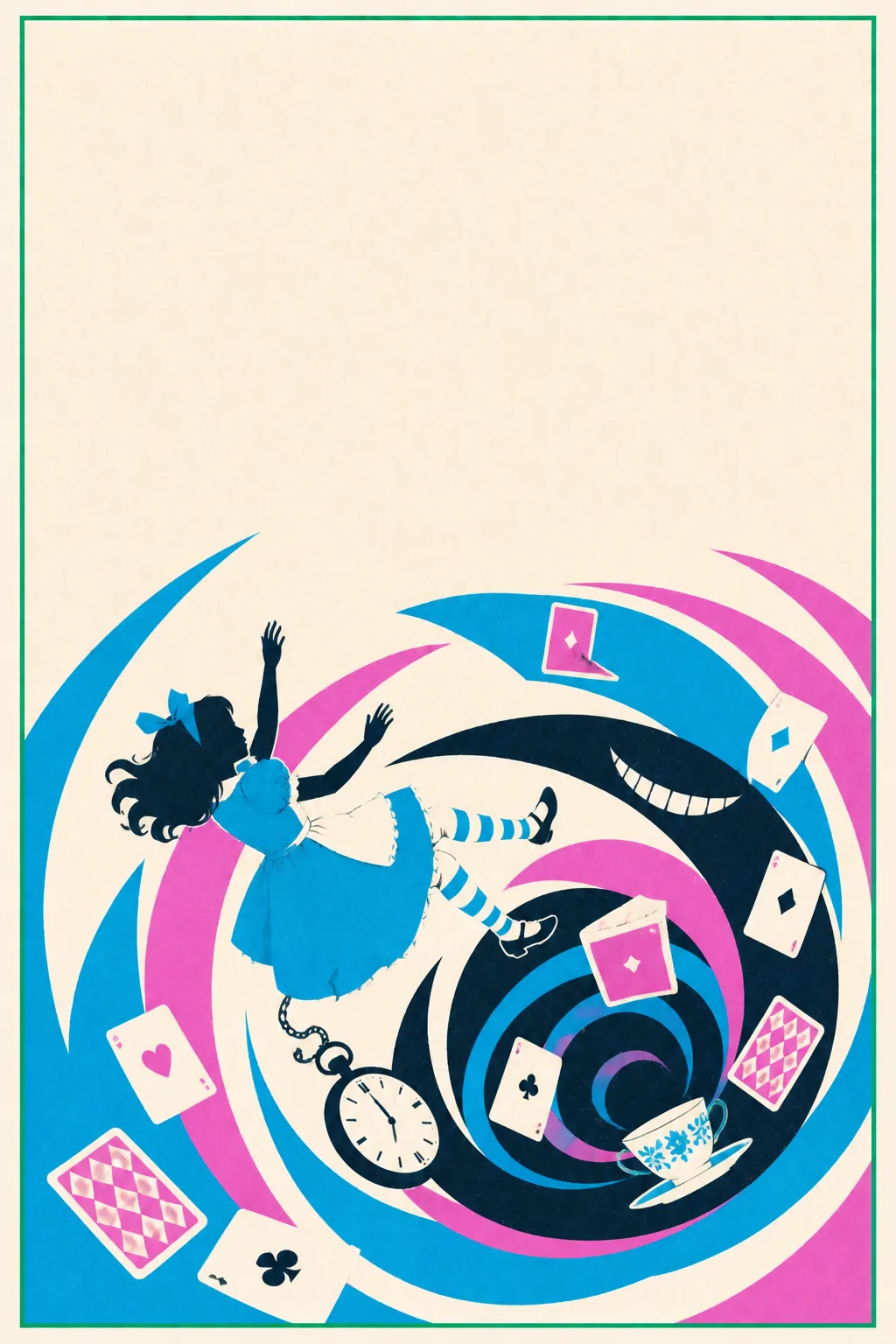
Alice's Adventures in Wonderland
Lewis Carroll
Una niña curiosa cae por la madriguera de un conejo a un mundo disparatado de criaturas parlantes y lógica descabellada.
$1.99 USD
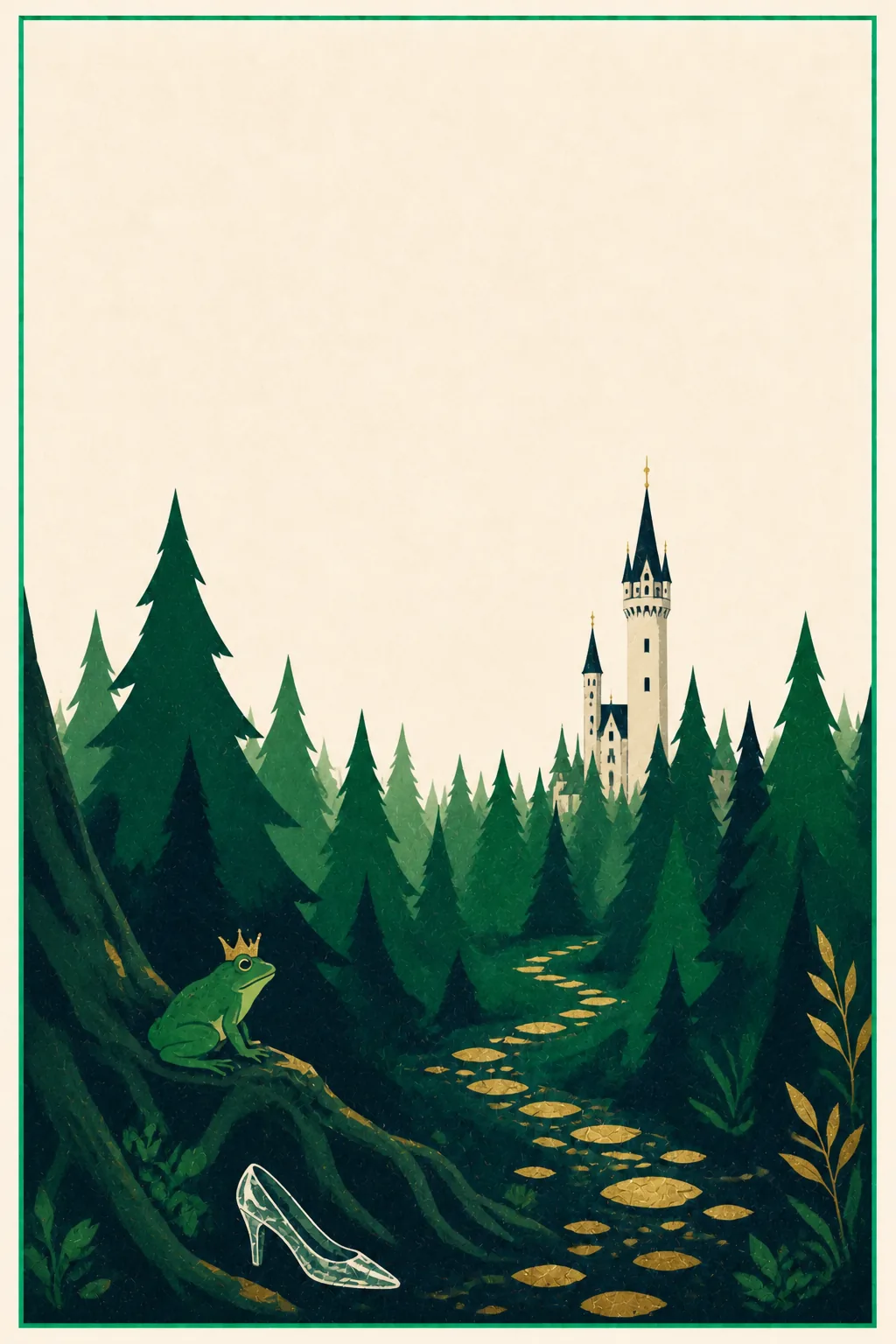
Grimm's Fairy Tales
Jacob & Wilhelm Grimm
Los clásicos cuentos de hadas alemanes, Cenicienta, Hansel y Gretel, Rapunzel y más, en una selección bilingüe.
$3.99 USD
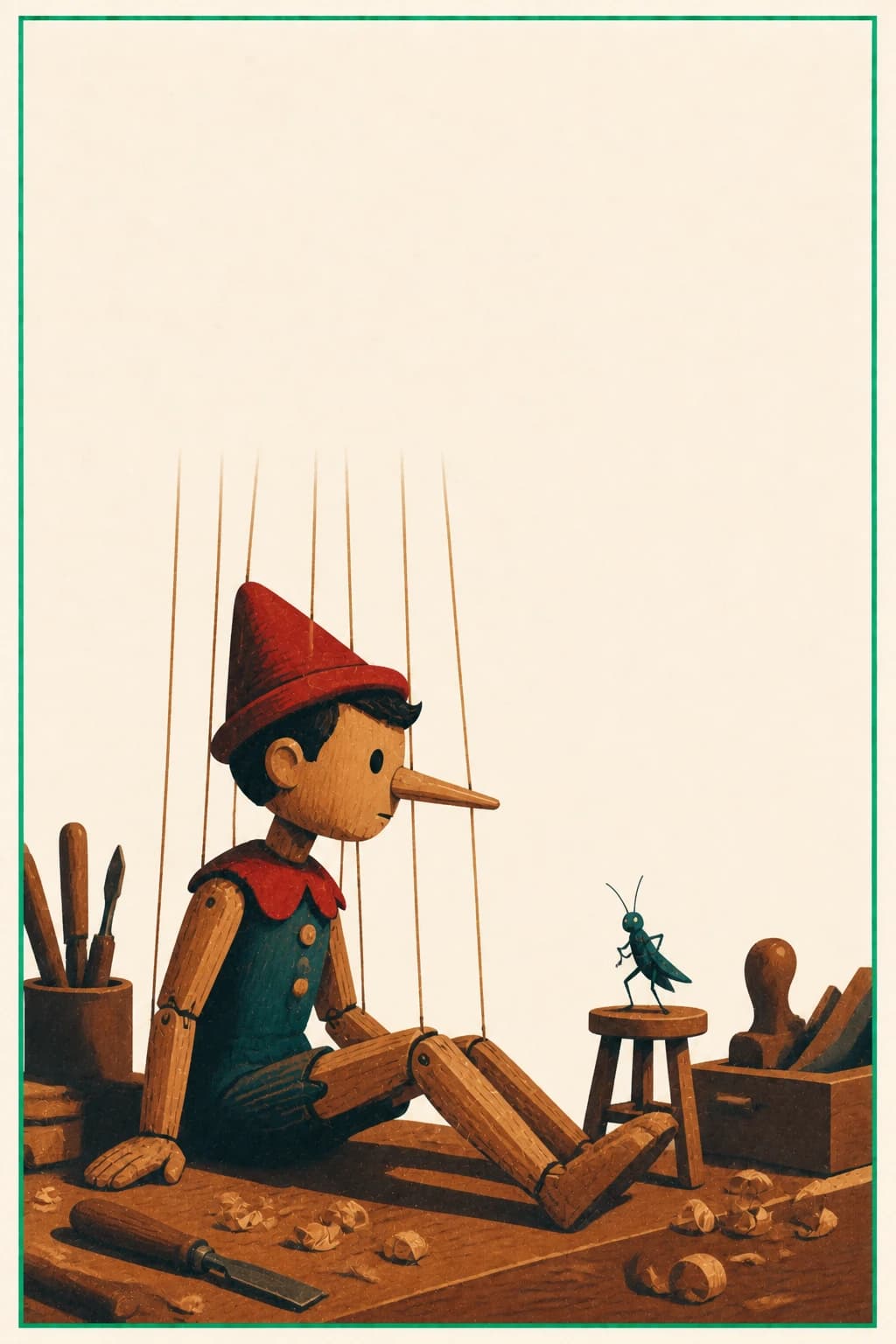
The Adventures of Pinocchio
Carlo Collodi
Una marioneta de madera cobra vida y tropieza en una aventura llena de travesuras y peligros, en su camino para convertirse en un niño de verdad.
$3.99 USD