The Railway Children
por E. Nesbit
Tres niños encuentran aventura, amistad y esperanza junto a un ferrocarril rural. Esta edición bilingüe de "The Railway Children" de E. Nesbit usa nuestro formato Side-by-Side para que la literatura clásica sea más accesible para estudiantes de idiomas. Lees en el idioma original y comparas la traducción al instante sin perder el ritmo de lectura.
Este libro esta actualmente en produccion.
Por ahora solo se puede reservar en preventa.
$3.99→$1.99
50% de descuento por preventa
The Railway Children · English → German · Side-by-Side
Pago seguro con Stripe. Las preventas se entregan cuando la produccion finaliza.
Lee una muestra bilingüe gratis
El comienzo de «The Railway Children» con la traducción alineada párrafo a párrafo — así se lee la edición completa.
To my dear son Paul Bland, behind whose knowledge of railways my ignorance confidently shelters.
Para mi querido hijo Paul Bland, cuyo conocimiento de los trenes protege con confianza mi ignorancia.
Chapter I. The beginning of things.
Capítulo I. El comienzo de todo.
They were not railway children to begin with. I don't suppose they had ever thought about railways except as a means of getting to Maskelyne and Cook's, the Pantomime, Zoological Gardens, and Madame Tussaud's. They were just ordinary suburban children, and they lived with their Father and Mother in an ordinary red-brick-fronted villa, with coloured glass in the front door, a tiled passage that was called a hall, a bath-room with hot and cold water, electric bells, French windows, and a good deal of white paint, and 'every modern convenience', as the house-agents say.
Al principio, no eran niños del ferrocarril. Creo que nunca habían pensado en los trenes, excepto como una forma de ir al teatro de Maskelyne y Cook, a la pantomima, al zoológico y al museo de Madame Tussaud. Eran niños normales de las afueras, y vivían con su padre y su madre en una casa normal de ladrillo rojo, con vidrios de colores en la puerta de entrada, un pasillo con azulejos que llamaban 'el vestíbulo', un baño con agua caliente y fría, timbres eléctricos, puertas balconeras y mucha pintura blanca. Tenía, como decían los agentes inmobiliarios, 'todas las comodidades modernas'.
There were three of them. Roberta was the eldest. Of course, Mothers never have favourites, but if their Mother HAD had a favourite, it might have been Roberta. Next came Peter, who wished to be an Engineer when he grew up; and the youngest was Phyllis, who meant extremely well.
Eran tres niños. Roberta era la mayor. Por supuesto, las madres nunca tienen favoritos, pero si su madre HUBIERA tenido un favorito, habría sido Roberta. Después venía Peter, que quería ser ingeniero de mayor; y la más pequeña era Phyllis, que siempre tenía buenas intenciones.
Mother did not spend all her time in paying dull calls to dull ladies, and sitting dully at home waiting for dull ladies to pay calls to her. She was almost always there, ready to play with the children, and read to them, and help them to do their home-lessons. Besides this she used to write stories for them while they were at school, and read them aloud after tea, and she always made up funny pieces of poetry for their birthdays and for other great occasions, such as the christening of the new kittens, or the refurnishing of the doll's house, or the time when they were getting over the mumps.
Madre no pasaba todo su tiempo haciendo visitas aburridas a señoras aburridas, ni sentada aburridamente en casa esperando que esas señoras la visitaran a ella. Casi siempre estaba allí, lista para jugar con los niños, leerles cuentos y ayudarles con las tareas del colegio. Además, les escribía cuentos mientras ellos estaban en el colegio y se los leía en voz alta después de la merienda, y siempre inventaba poemas divertidos para sus cumpleaños y otras ocasiones especiales, como el bautizo de los gatitos nuevos, la renovación de la casa de muñecas, o la vez que se estaban curando de las paperas.
These three lucky children always had everything they needed: pretty clothes, good fires, a lovely nursery with heaps of toys, and a Mother Goose wall-paper. They had a kind and merry nursemaid, and a dog who was called James, and who was their very own. They also had a Father who was just perfect--never cross, never unjust, and always ready for a game--at least, if at any time he was NOT ready, he always had an excellent reason for it, and explained the reason to the children so interestingly and funnily that they felt sure he couldn't help himself.
Estos tres niños afortunados siempre tenían todo lo que necesitaban: ropa bonita, chimeneas calientes, un cuarto de juegos precioso lleno de juguetes, y papel de pared con dibujos de Mamá Oca. Tenían una niñera amable y alegre, y un perro llamado James, que era solo de ellos. También tenían un padre perfecto: nunca se enfadaba, nunca era injusto y siempre estaba listo para jugar. Si alguna vez NO estaba listo, siempre tenía una razón excelente, y se la explicaba a los niños de forma tan interesante y divertida que ellos estaban seguros de que no podía evitarlo.
You will think that they ought to have been very happy. And so they were, but they did not know HOW happy till the pretty life in the Red Villa was over and done with, and they had to live a very different life indeed.
Pensarán que ellos debían de ser muy felices. Y lo eran, pero no sabían CUÁNTO hasta que la bonita vida en la Villa Roja terminó por completo, y tuvieron que vivir una vida muy diferente.
Peter had a birthday--his tenth. Among his other presents was a model engine more perfect than you could ever have dreamed of. The other presents were full of charm, but the Engine was fuller of charm than any of the others were.
Peter cumplió años: cumplió diez. Entre sus regalos había una locomotora en miniatura más perfecta de lo que uno podría imaginar. Los otros regalos eran muy bonitos, pero la locomotora era la más bonita de todos.
Its charm lasted in its full perfection for exactly three days. Then, owing either to Peter's inexperience or Phyllis's good intentions, which had been rather pressing, or to some other cause, the Engine suddenly went off with a bang. James was so frightened that he went out and did not come back all day. All the Noah's Ark people who were in the tender were broken to bits, but nothing else was hurt except the poor little engine and the feelings of Peter. The others said he cried over it--but of course boys of ten do not cry, however terrible the tragedies may be which darken their lot. He said that his eyes were red because he had a cold. This turned out to be true, though Peter did not know it was when he said it, the next day he had to go to bed and stay there. Mother began to be afraid that he might be sickening for measles, when suddenly he sat up in bed and said:
Su perfección duró exactamente tres días. Entonces, ya fuera por la falta de experiencia de Peter, por las buenas intenciones de Phyllis (que habían sido bastante insistentes), o por alguna otra razón, la locomotora explotó de repente con un gran estruendo. James se asustó tanto que salió de casa y no volvió en todo el día. Todas las figuritas del Arca de Noé que estaban en el ténder se rompieron en pedazos, pero lo único más dañado fue la pobre locomotora y los sentimientos de Peter. Los demás dijeron que había llorado por ello, pero, por supuesto, los niños de diez años no lloran, por muy terribles que sean las tragedias que oscurecen su suerte. Peter dijo que tenía los ojos rojos porque estaba resfriado. Esto resultó ser verdad, aunque Peter no lo sabía cuando lo dijo: al día siguiente tuvo que meterse en la cama y quedarse allí. Madre empezó a temer que estuviera enfermando de sarampión, cuando de repente él se sentó en la cama y dijo:
“I hate gruel--I hate barley water--I hate bread and milk. I want to get up and have something REAL to eat.”
—Odio las gachas, odio el agua de cebada, odio el pan con leche. Quiero levantarme y comer algo DE VERDAD.
“A pigeon-pie,” said Peter, eagerly, “a large pigeon-pie. A very large one.”
—Un pastel de paloma —dijo Peter con entusiasmo—, un pastel de paloma grande. Muy grande.
So Mother asked the Cook to make a large pigeon-pie. The pie was made. And when the pie was made, it was cooked. And when it was cooked, Peter ate some of it. After that his cold was better. Mother made a piece of poetry to amuse him while the pie was being made. It began by saying what an unfortunate but worthy boy Peter was, then it went on:
Así que Madre le pidió a la cocinera que hiciera un pastel de paloma grande. El pastel se preparó. Y cuando el pastel estuvo preparado, se coció. Y cuando estuvo cocido, Peter comió un poco. Después de eso, su resfriado mejoró. Mientras se hacía el pastel, Madre escribió un poema para entretenerlo. Empezaba diciendo lo desafortunado pero bueno que era Peter, y luego continuaba así:
La edición completa contiene el texto íntegro en ambos diseños (dos columnas y por párrafos) en EPUB y PDF.
Qué incluye esta edición
Texto íntegro, traducción alineada frase a frase, archivos EPUB y PDF, y diseños en paralelo y por párrafos. Entrega digital; no se envía ningún artículo físico.
Precios sencillos según el tamaño en USD: $1.99, $3.99 o $5.99. Ambos diseños cuestan lo mismo; la disponibilidad depende del par de idiomas y del formato.
¿Es adecuado para ti?
Principiante · unas 237 páginas. Lee la muestra alineada gratuita: si entiendes la mayor parte del original antes de mirar la traducción, el nivel es adecuado.
Principiante · A2–B1 →Combinaciones de idiomas
Sigue leyendo
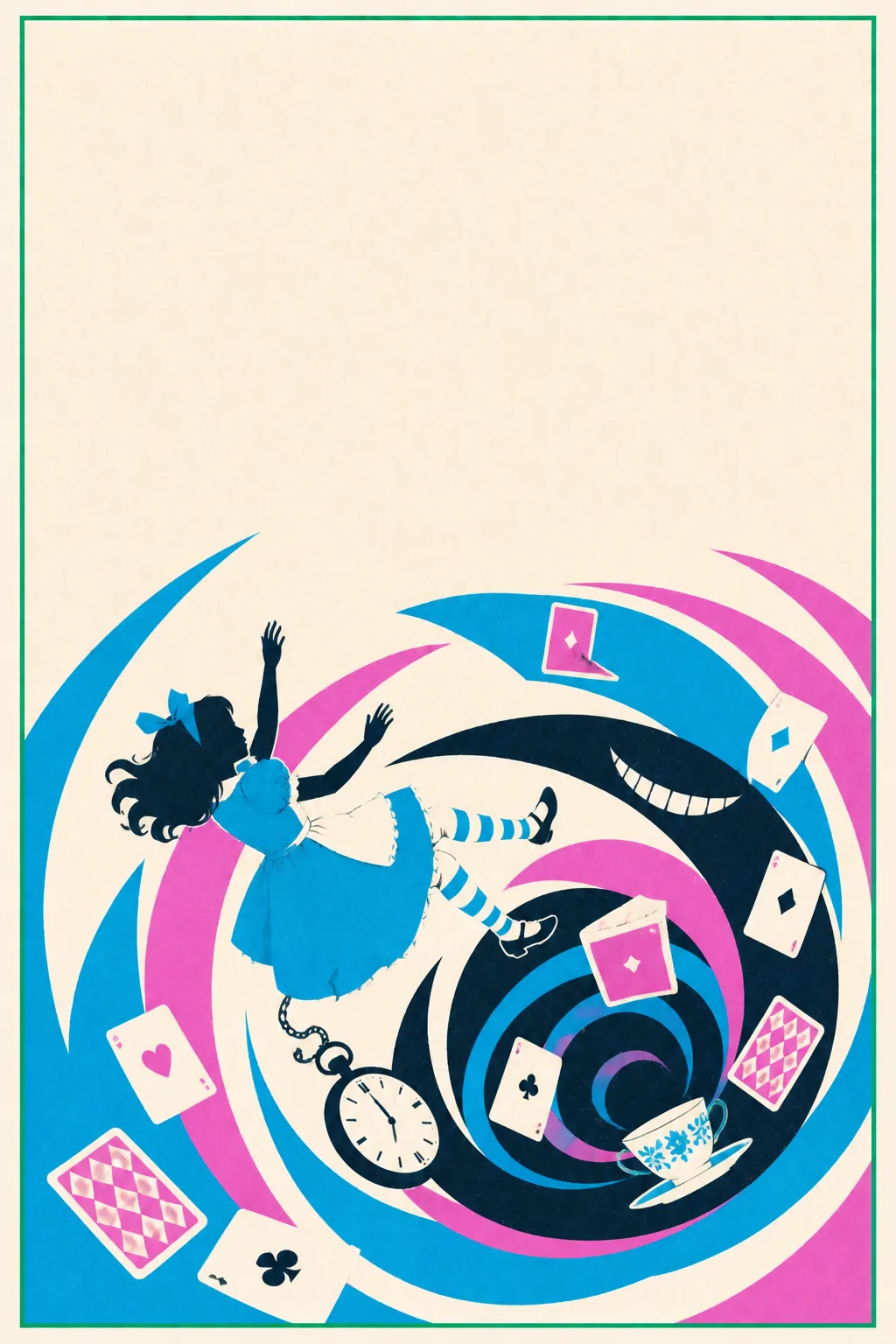
Alice's Adventures in Wonderland
Lewis Carroll
Una niña curiosa cae por la madriguera de un conejo a un mundo disparatado de criaturas parlantes y lógica descabellada.
$1.99 USD
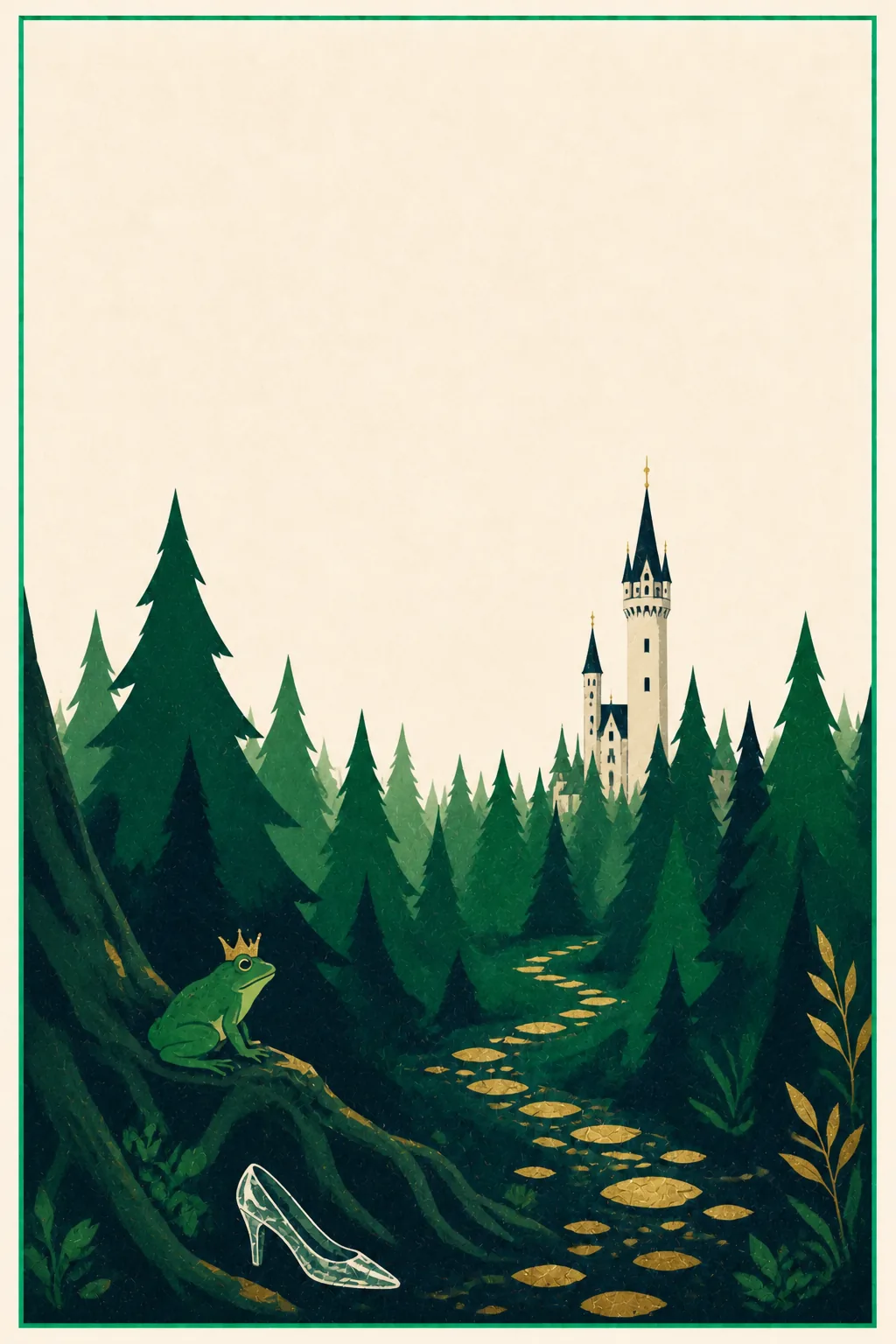
Grimm's Fairy Tales
Jacob & Wilhelm Grimm
Los clásicos cuentos de hadas alemanes, Cenicienta, Hansel y Gretel, Rapunzel y más, en una selección bilingüe.
$3.99 USD
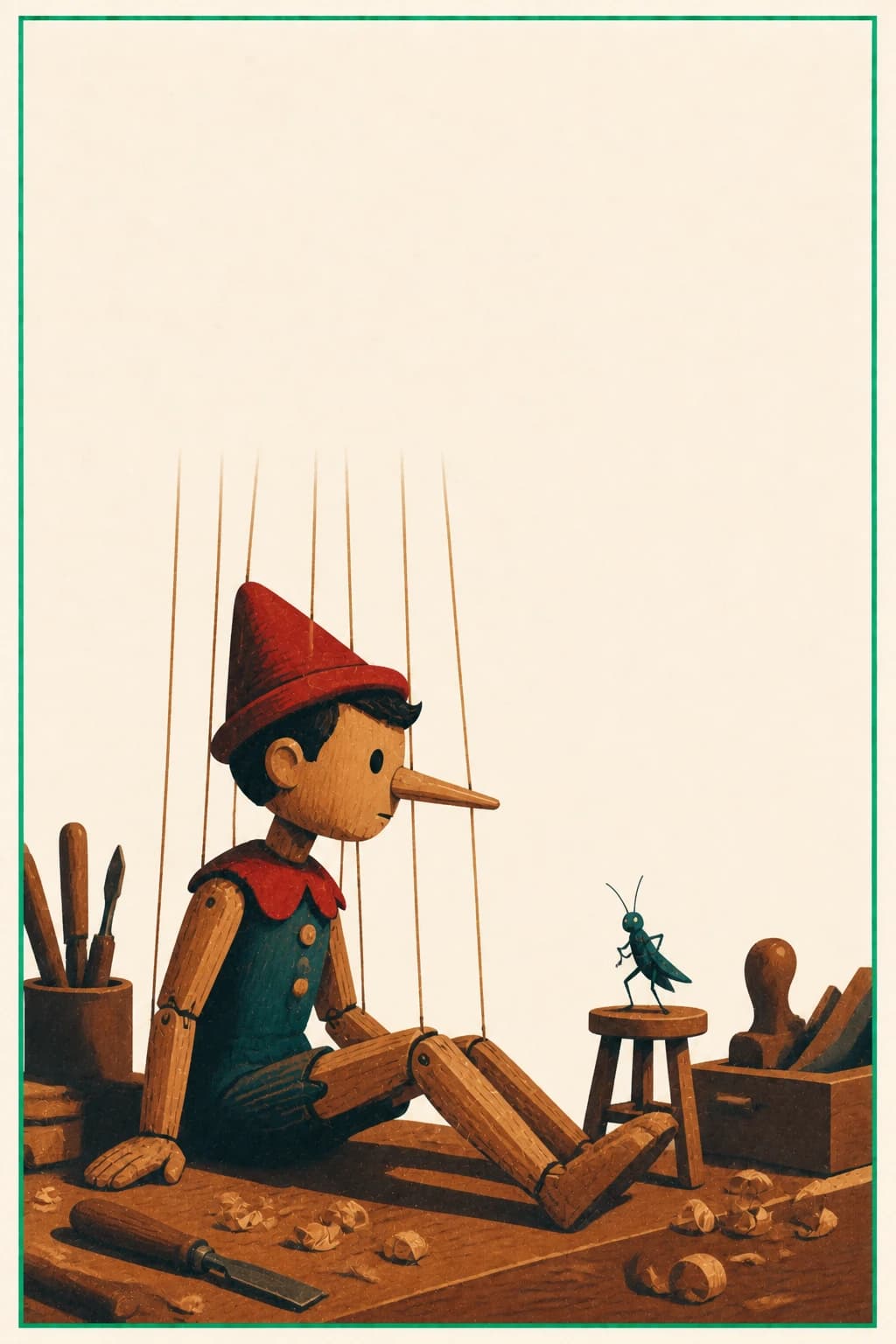
The Adventures of Pinocchio
Carlo Collodi
Una marioneta de madera cobra vida y tropieza en una aventura llena de travesuras y peligros, en su camino para convertirse en un niño de verdad.
$3.99 USD