Moby Dick
par Herman Melville
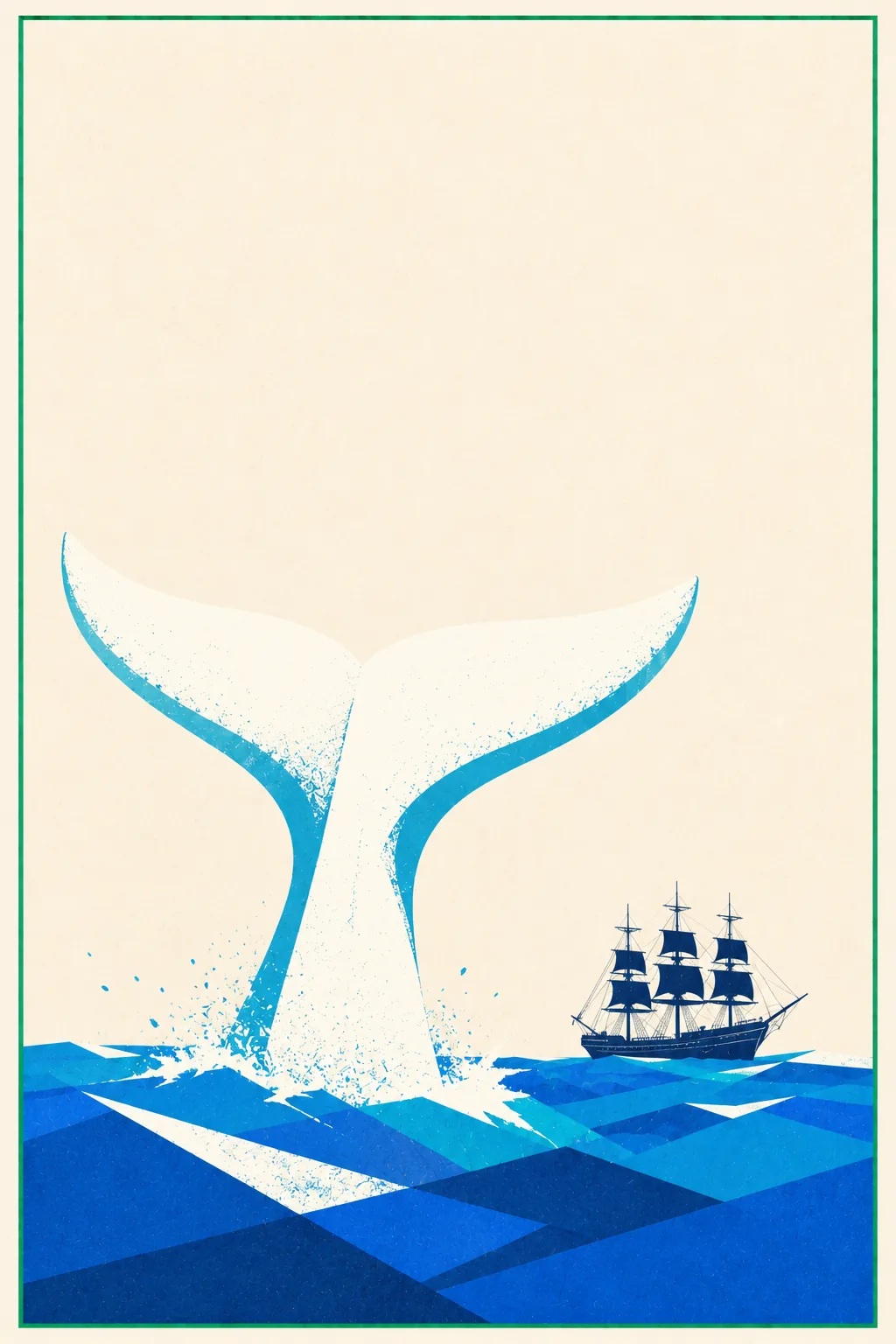
Le récit épique de la quête obsessionnelle du capitaine Ahab pour la grande baleine blanche. Cette édition bilingue de "Moby Dick" de Herman Melville utilise notre format Side-by-Side pour rendre la littérature classique plus accessible aux apprenants. Tu lis le texte original et compares la traduction instantanément, sans casser le rythme de lecture.
Guide de lecture de ce livre →Ce livre est actuellement en production.
Pour le moment, seule la precommande est possible.
$9.99→$4.99
50% de reduction en precommande
Moby Dick · English → German · Side-by-Side
Paiement securise avec Stripe. Les precommandes sont livrees une fois la production terminee.
Tu veux ce livre dans une autre langue?
Nous priorisons les nouvelles langues selon la demande.
Demander une autre langueExtrait bilingue gratuit
Le début de « Moby Dick » avec la traduction alignée paragraphe par paragraphe — exactement comme dans l'édition complète.
Call me Ishmael. Some years ago—never mind how long precisely—having little or no money in my purse, and nothing particular to interest me on shore, I thought I would sail about a little and see the watery part of the world. It is a way I have of driving off the spleen and regulating the circulation. Whenever I find myself growing grim about the mouth; whenever it is a damp, drizzly November in my soul; whenever I find myself involuntarily pausing before coffin warehouses, and bringing up the rear of every funeral I meet; and especially whenever my hypos get such an upper hand of me, that it requires a strong moral principle to prevent me from deliberately stepping into the street, and methodically knocking people’s hats off—then, I account it high time to get to sea as soon as I can. This is my substitute for pistol and ball. With a philosophical flourish Cato throws himself upon his sword; I quietly take to the ship. There is nothing surprising in this. If they but knew it, almost all men in their degree, some time or other, cherish very nearly the same feelings towards the ocean with me.
Llamadme Ismael. Hace algunos años —no importa cuánto tiempo exactamente—, teniendo poco o ningún dinero en la bolsa, y nada en particular que me interesara en tierra, pensé que navegaría un poco y vería la parte acuosa del mundo. Es un modo que tengo de ahuyentar la melancolía y regular la circulación. Cada vez que me sorprendo poniendo una expresión torva en torno a la boca; cada vez que en mi alma es un húmedo y lloviznoso noviembre; cada vez que me sorprendo deteniéndome involuntariamente ante los almacenes de ataúdes, y cerrando la marcha de todos los funerales que encuentro; y, sobre todo, cada vez que mis hipocondrías se apoderan de mí de tal modo que hace falta un firme principio moral para impedirme salir deliberadamente a la calle y derribar metódicamente los sombreros de la gente, entonces considero que es hora de hacerme a la mar cuanto antes. Este es mi sustituto de la pistola y la bala. Con un ademán filosófico, Catón se arroja sobre su espada; yo, con tranquilidad, me embarco. No hay nada sorprendente en esto. Si lo supieran, casi todos los hombres, en su medida, abrigan en algún momento u otro sentimientos muy parecidos a los míos hacia el océano.
There now is your insular city of the Manhattoes, belted round by wharves as Indian isles by coral reefs—commerce surrounds it with her surf. Right and left, the streets take you waterward. Its extreme downtown is the battery, where that noble mole is washed by waves, and cooled by breezes, which a few hours previous were out of sight of land. Look at the crowds of water-gazers there.
Ahí está vuestra ciudad insular de los Manhattoes, ceñida de muelles como las islas indias de arrecifes de coral; el comercio la rodea con su oleaje. A derecha e izquierda, las calles os llevan hacia el agua. Su extremo más al sur es la Batería, donde ese noble malecón es bañado por las olas y refrescado por brisas que pocas horas antes estaban fuera de la vista de tierra. Mirad las multitudes de contempladores del agua que hay allí.
Circumambulate the city of a dreamy Sabbath afternoon. Go from Corlears Hook to Coenties Slip, and from thence, by Whitehall, northward. What do you see?—Posted like silent sentinels all around the town, stand thousands upon thousands of mortal men fixed in ocean reveries. Some leaning against the spiles; some seated upon the pier-heads; some looking over the bulwarks of ships from China; some high aloft in the rigging, as if striving to get a still better seaward peep. But these are all landsmen; of week days pent up in lath and plaster—tied to counters, nailed to benches, clinched to desks. How then is this? Are the green fields gone? What do they here?
Recorred la ciudad en una soñolienta tarde de domingo. Id de Corlears Hook a Coenties Slip, y de allí, por Whitehall, hacia el norte. ¿Qué veis? Apostados como centinelas silenciosos por toda la ciudad, hay miles y miles de hombres mortales absortos en ensoñaciones oceánicas. Algunos apoyados contra los pilotes; algunos sentados en las cabezas de los muelles; algunos mirando por encima de las bordas de barcos venidos de China; algunos en lo alto del aparejo, como si se esforzaran por conseguir una vista aún mejor hacia el mar. Pero todos ellos son gente de tierra; entre semana encerrados entre listones y yeso, atados a mostradores, clavados a bancos, aferrados a escritorios. ¿Cómo es esto, entonces? ¿Han desaparecido los verdes prados? ¿Qué hacen aquí?
But look! here come more crowds, pacing straight for the water, and seemingly bound for a dive. Strange! Nothing will content them but the extremest limit of the land; loitering under the shady lee of yonder warehouses will not suffice. No. They must get just as nigh the water as they possibly can without falling in. And there they stand—miles of them—leagues. Inlanders all, they come from lanes and alleys, streets and avenues—north, east, south, and west. Yet here they all unite. Tell me, does the magnetic virtue of the needles of the compasses of all those ships attract them thither?
¡Pero mirad! Aquí vienen más multitudes, caminando directamente hacia el agua, y aparentemente dispuestas a zambullirse. ¡Extraño! Nada los contentará salvo el límite extremo de la tierra; holgazanear al abrigo umbrío de aquellos almacenes no les basta. No. Deben llegar tan cerca del agua como sea posible sin caer en ella. Y allí se quedan, millas de ellos, leguas. Todos hombres de tierra adentro, vienen de callejones y callejuelas, calles y avenidas, del norte, del este, del sur y del oeste. Y sin embargo, aquí todos se congregan. Decidme, ¿acaso la virtud magnética de las agujas de las brújulas de todos esos barcos los atrae hacia allí?
Once more. Say you are in the country; in some high land of lakes. Take almost any path you please, and ten to one it carries you down in a dale, and leaves you there by a pool in the stream. There is magic in it. Let the most absent-minded of men be plunged in his deepest reveries—stand that man on his legs, set his feet a-going, and he will infallibly lead you to water, if water there be in all that region. Should you ever be athirst in the great American desert, try this experiment, if your caravan happen to be supplied with a metaphysical professor. Yes, as every one knows, meditation and water are wedded for ever.
Una vez más. Suponed que estáis en el campo, en alguna elevada tierra de lagos. Tomad casi cualquier senda que os plazca, y lo más probable es que os lleve hacia abajo, a un valle, y os deje allí junto a un remanso en el arroyo. Hay magia en ello. Que el más distraído de los hombres esté sumido en sus más profundas ensoñaciones; poned a ese hombre de pie, echad a andar sus pies, y él os conducirá infaliblemente al agua, si es que hay agua en toda aquella región. Si alguna vez tenéis sed en el gran desierto americano, probad este experimento, si vuestra caravana tiene la suerte de contar con un profesor de metafísica. Sí, como todo el mundo sabe, la meditación y el agua están desposadas para siempre.
No, when I go to sea, I go as a simple sailor, right before the mast, plumb down into the forecastle, aloft there to the royal mast-head. True, they rather order me about some, and make me jump from spar to spar, like a grasshopper in a May meadow. And at first, this sort of thing is unpleasant enough. It touches one’s sense of honor, particularly if you come of an old established family in the land, the Van Rensselaers, or Randolphs, or Hardicanutes. And more than all, if just previous to putting your hand into the tar-pot, you have been lording it as a country schoolmaster, making the tallest boys stand in awe of you. The transition is a keen one, I assure you, from a schoolmaster to a sailor, and requires a strong decoction of Seneca and the Stoics to enable you to grin and bear it. But even this wears off in time.
No, cuando me hago a la mar, voy como simple marinero, justo al pie del palo, a plomo hasta el castillo de proa, y allá arriba hasta la cofa real. Es cierto que me mandan bastante de un lado a otro, y me hacen saltar de verga en verga, como un saltamontes en un prado de mayo. Y al principio, esto resulta bastante desagradable. Toca el sentido del honor de uno, particularmente si se desciende de una vieja y establecida familia del país, los Van Rensselaer, o los Randolph, o los Hardicanute. Y, sobre todo, si justo antes de meter la mano en el bote de alquitrán, uno se las ha estado dando de maestro de escuela rural, haciendo que los muchachos más altos le tuvieran reverencial temor. La transición es intensa, os lo aseguro, de maestro de escuela a marinero, y requiere una fuerte decocción de Séneca y los estoicos para poder aguantarlo con una sonrisa. Pero incluso esto se desgasta con el tiempo.
What of it, if some old hunks of a sea-captain orders me to get a broom and sweep down the decks? What does that indignity amount to, weighed, I mean, in the scales of the New Testament? Do you think the archangel Gabriel thinks anything the less of me, because I promptly and respectfully obey that old hunks in that particular instance? Who ain’t a slave? Tell me that. Well, then, however the old sea-captains may order me about—however they may thump and punch me about, I have the satisfaction of knowing that it is all right; that everybody else is one way or other served in much the same way—either in a physical or metaphysical point of view, that is; and so the universal thump is passed round, and all hands should rub each other’s shoulder-blades, and be content.
¿Y qué importa si algún viejo tacaño de capitán me ordena coger una escoba y barrer las cubiertas? ¿A cuánto asciende esa indignidad, sopesada, quiero decir, en la balanza del Nuevo Testamento? ¿Creéis que el arcángel Gabriel piensa peor de mí porque obedezco pronta y respetuosamente a ese viejo tacaño en ese caso particular? ¿Quién no es esclavo? Decidme eso. Pues bien, por más que los viejos capitanes de mar me manden de un lado a otro, por más que me zarandeen y me golpeen, tengo la satisfacción de saber que todo está bien; que todos los demás son servidos, de un modo u otro, de manera muy parecida, ya sea desde un punto de vista físico o metafísico; y así el golpe universal se reparte, y todas las manos deberían frotarse mutuamente los omóplatos, y darse por satisfechas.
Again, I always go to sea as a sailor, because they make a point of paying me for my trouble, whereas they never pay passengers a single penny that I ever heard of. On the contrary, passengers themselves must pay. And there is all the difference in the world between paying and being paid. The act of paying is perhaps the most uncomfortable infliction that the two orchard thieves entailed upon us. But _being paid_,—what will compare with it? The urbane activity with which a man receives money is really marvellous, considering that we so earnestly believe money to be the root of all earthly ills, and that on no account can a monied man enter heaven. Ah! how cheerfully we consign ourselves to perdition!
Además, siempre voy al mar como marinero, porque se preocupan de pagarme por mis molestias, mientras que jamás he oído que paguen a los pasajeros ni un solo penique. Por el contrario, son los propios pasajeros quienes deben pagar. Y hay toda la diferencia del mundo entre pagar y ser pagado. El acto de pagar es quizá la aflicción más incómoda que los dos ladrones del huerto nos legaron. Pero _ser pagado_, ¿qué se le puede comparar? La cortés diligencia con que un hombre recibe dinero es realmente asombrosa, si se considera que creemos con tanto ahínco que el dinero es la raíz de todos los males terrenos, y que de ningún modo puede un hombre adinerado entrar en el cielo. ¡Ah, con qué alegría nos entregamos a la perdición!
L'édition complète contient le texte intégral dans les deux mises en page (côte à côte et par paragraphes) en EPUB et PDF.
Contenu de cette édition
Texte intégral non abrégé, traduction alignée phrase par phrase, fichiers EPUB et PDF, mises en page côte à côte et par paragraphes. Livraison numérique ; aucun article physique n'est expédié.
Prix simples selon la longueur en USD : $1.99, $3.99, $5.99 ou $9.99. Les deux mises en page sont au même prix ; la disponibilité dépend de la paire de langues et du format.
Ce livre te convient-il ?
Avancé · environ 635 pages. Lis l'extrait aligné gratuit : si tu comprends l'essentiel de l'original avant de consulter la traduction, le niveau convient.
Avancé · B2–C1 →Combinaisons de langues
Poursuivre la lecture
The Age of Innocence
Edith Wharton
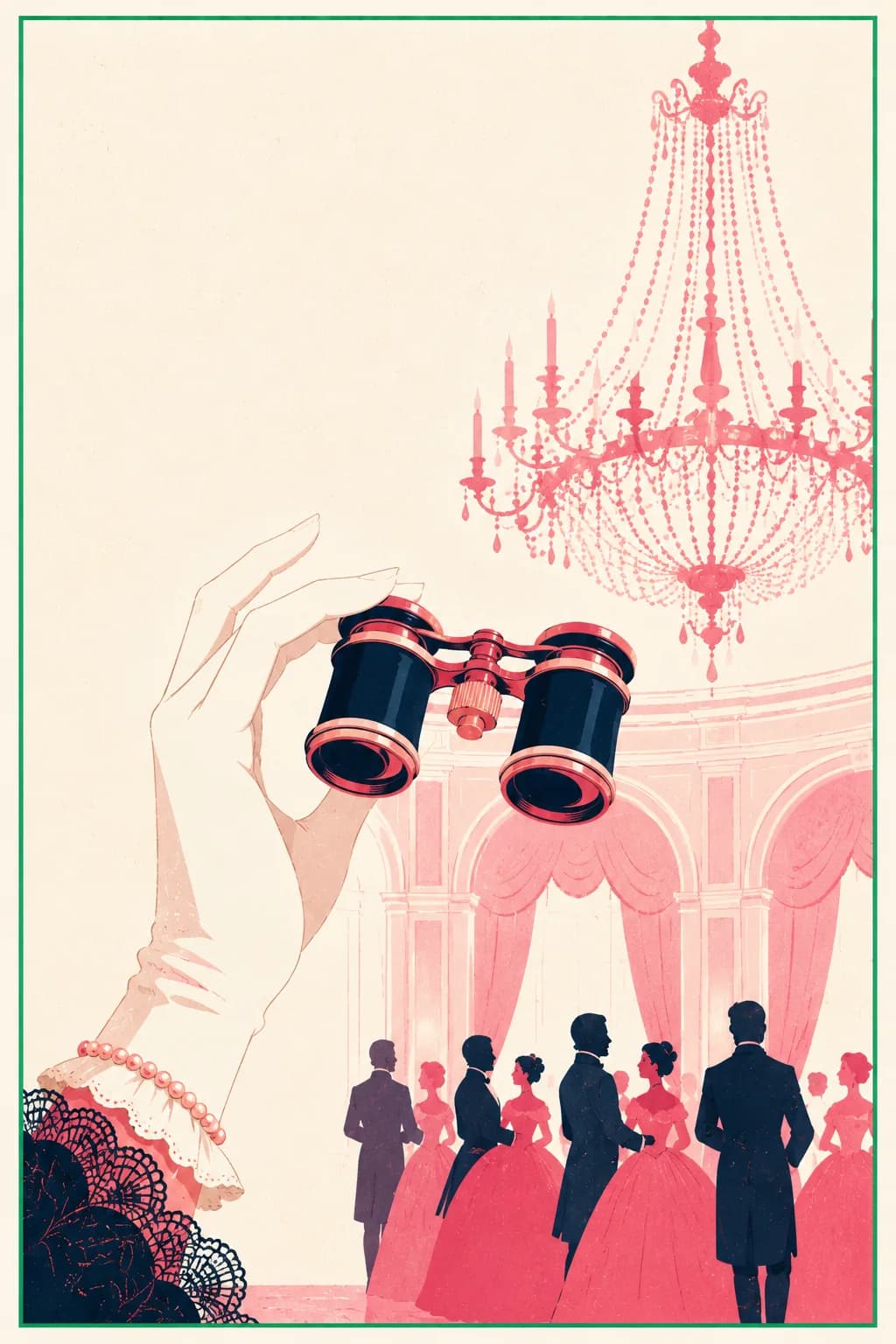
Un portrait lauréat du Pulitzer du désir et de la trahison dans la haute société new-yorkaise des années 1870.
$5.99 USD

Babbitt
Sinclair Lewis
Un roman satirique sur un homme d'affaires américain de classe moyenne et sa lutte contre le conformisme dans les années 1920.
$3.99 USD
Main Street
Sinclair Lewis
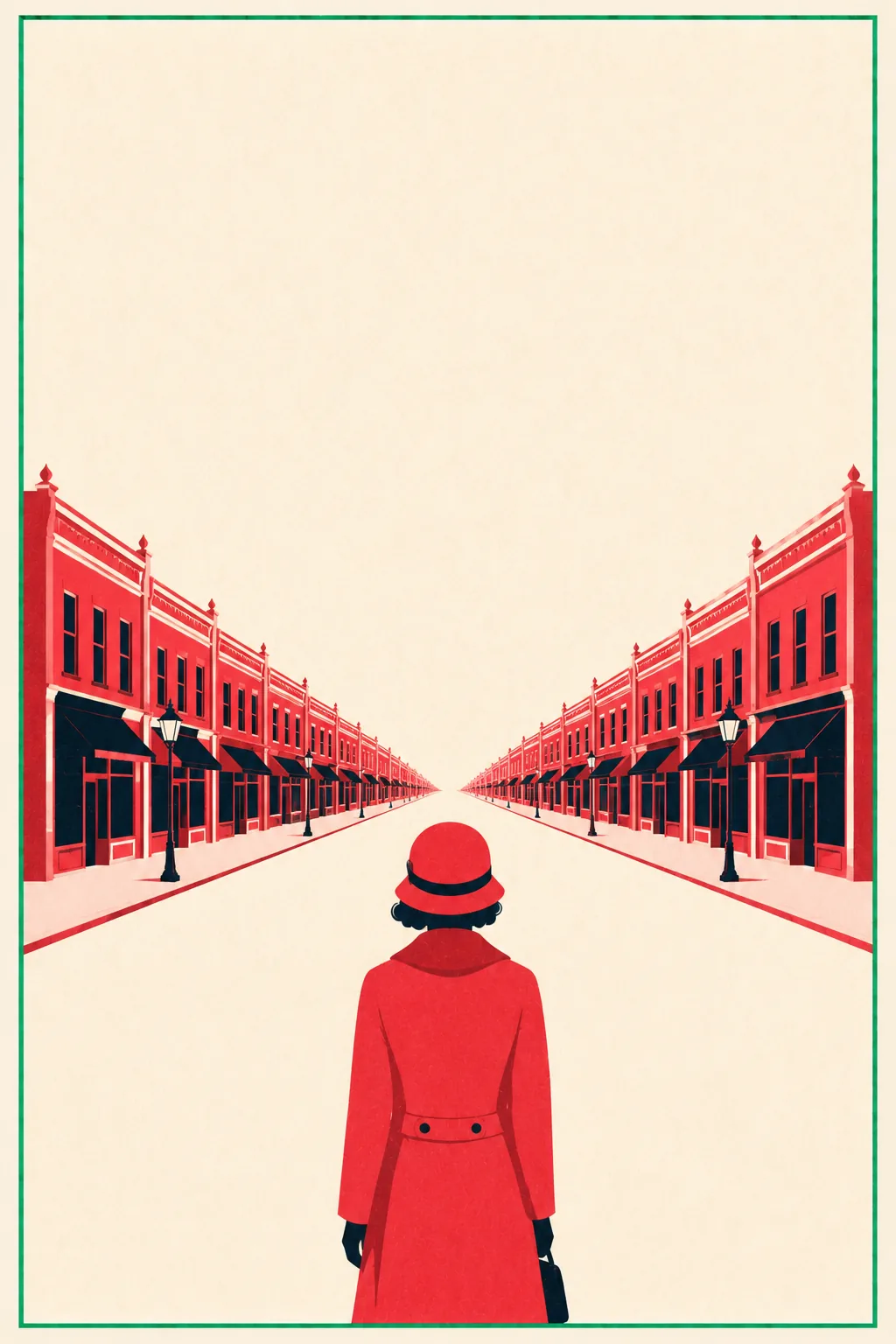
Le combat d'une jeune femme contre le conformisme et la pauvreté culturelle d'une petite ville.
$5.99 USD